Rear-end collisions are among the most frequent traffic accidents in California, and understanding the Causes Of Rear End Car Accidents is essential for preventing them. These crashes often occur when drivers fail to pay attention, follow too closely, or travel too fast for current road or traffic conditions. Whether the result of distracted driving, sudden stops, or poor judgment behind the wheel, rear-end accidents can lead to serious injuries and costly damages. Knowing what contributes to these collisions can help motorists stay safer on the road and avoid dangerous situations.
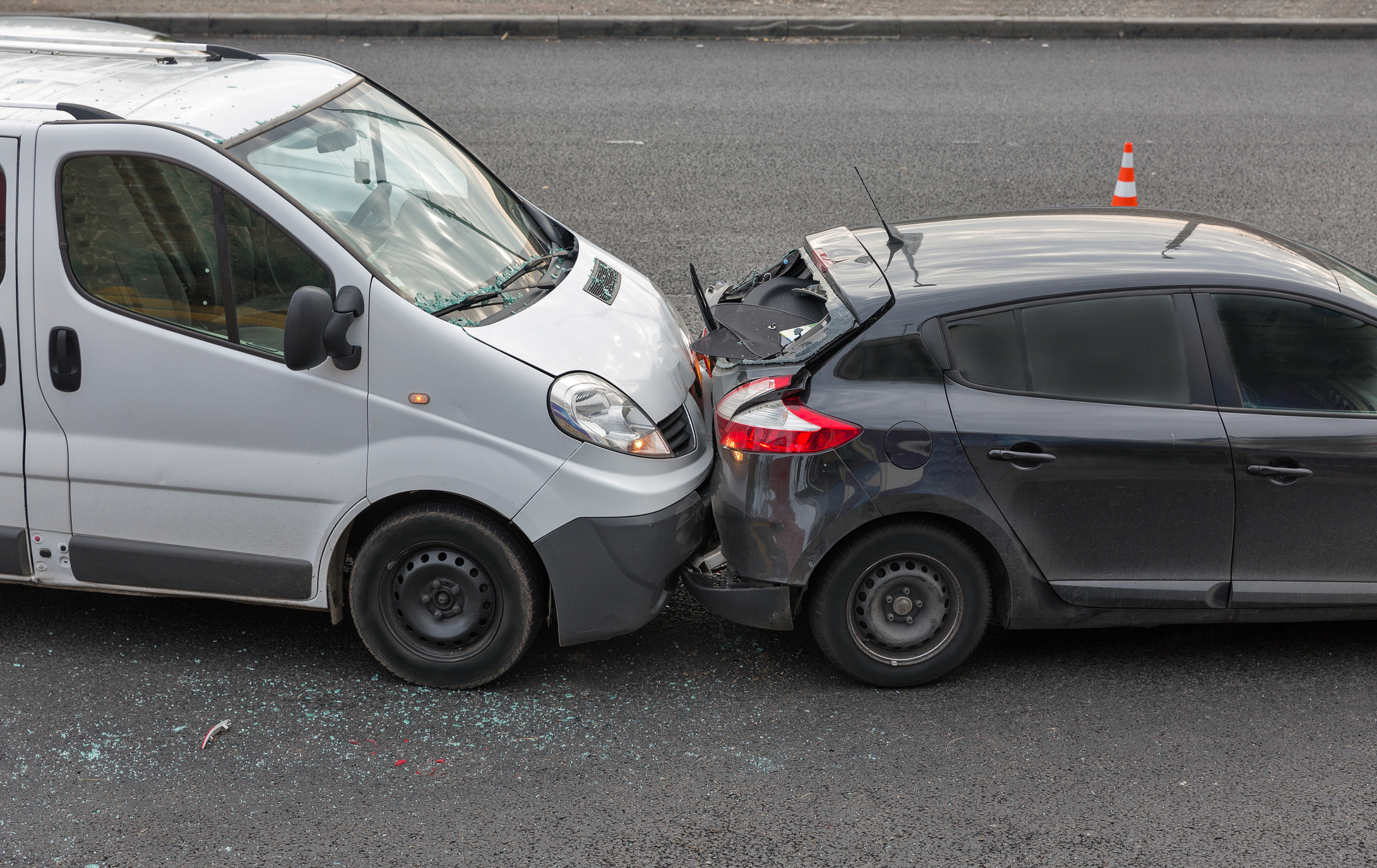
Rear-end accidents are among the most frequent types of collisions in California. Typically, these crashes involve two vehicles:
The front vehicle, which gets hit from behind
The rear vehicle, which causes the impact
Most rear-end accidents occur because the driver in back cannot stop in time. In many cases, this failure to stop is caused by one or more preventable driving errors:
Driving too fast for traffic or weather conditions
Following too closely (tailgating)
Failing to pay attention to the road
Sometimes, however, the driver in front contributes to the collision — often by making a sudden, unexpected stop to avoid an obstacle, leaving the driver behind no time to react.
Regardless of who is involved, rear-end collisions can often be avoided when drivers obey speed limits, maintain a safe following distance, and remain alert at all times.
Common Injuries Caused by Rear-End Car Accidents
Rear-end collisions can cause a wide range of injuries, from mild to severe. In Bakersfield and throughout California, the most common include:
Neck and Back Injuries
Whiplash, upper and lower back strains, disc injuries, and spinal issues.
Hip, Knee, and Lower Body Injuries
Injuries to the hips, knees, ankles, and feet are common due to bracing for impact.
Hand, Wrist, and Arm Injuries
Drivers often injure their hands or wrists when gripping the steering wheel during the collision.
Seatbelt-Related Injuries
While seatbelts save lives, they can cause chest contusions, hip bruising, and bladder area injuries. Some women also experience spotting after the trauma of impact.
Cognitive and Emotional Symptoms
Headaches, sleep disturbances, anxiety, and depression often appear days or weeks after the crash.
Many of these injuries seem simple at first but may later reveal deeper issues involving joints, tendons, ligaments, and spinal discs.
Common Causes of T-Bone Car Accidents in California
T-bone accidents — also known as side-impact collisions — typically occur at intersections and are often the result of driver negligence. The most common causes include:
Distracted driving (texting, talking, adjusting controls)
Speeding
Failing to leave adequate space between vehicles
Running stop signs or red lights
Ignoring right-of-way rules
Sun glare or poor visibility
Unfamiliarity with the area
As with rear-end accidents, lack of attention is the leading cause of T-bone collisions.
Common Injuries Resulting From T-Bone Collisions
The forces involved in a T-bone accident are different from a rear-end collision. Instead of being pushed forward, your body is thrown sideways, causing:
More Severe Neck Injuries
Side-to-side whiplash often results in greater soft tissue damage.
Hip and Back Injuries
Seatbelts hold the torso in place while the lower body twists, leading to muscle tears, ligament stretching, or fractures.
Joint and Connective Tissue Injuries
T-bone accidents often cause rib, shoulder, or pelvic injuries due to the direction of impact.
These injuries can require long-term treatment, rehabilitation, or even surgery.
What If You Don’t Feel Injured Immediately After a Car Accident?
It’s extremely common for crash victims to feel “fine” in the minutes or hours after a collision. Adrenaline masks pain, and many injuries develop slowly. But delayed symptoms may signal serious underlying issues.
If you notice any of the following, seek medical attention immediately:
Sudden or increasing pain
Stiffness or reduced mobility
Headaches or dizziness
Difficulty sleeping
Mood changes, anxiety, or depression
Even if your injuries appear days, weeks, or months after the accident, they may still be related to the crash. That’s why it’s a good idea to get checked by a doctor as soon as symptoms appear.
A thorough medical evaluation helps:
Confirm your injuries
Create documentation for your personal injury claim
Ensure no hidden complications go untreated
Final Thoughts
Rear-end and T-bone accidents in California can cause serious and long-lasting injuries—even when they seem minor at first. Understanding the common causes, knowing which injuries to watch for, and seeking timely medical care are essential steps in protecting both your health and your legal rights.
If you’ve been involved in a rear-end or T-bone car accident in California, your next step should be talking with a knowledgeable personal injury lawyer. For more information or to schedule a consultation, contact Colvin Accident Lawyers at (661) 616-1177 today. We’re here to provide the guidance and legal support you need.