Dog Bite Claims | Bakersfield, CA
The Proof That Supports a Dog Bite Claim
Photos, medical records, and the details of how the bite happened can make a difference in your claim. Here is what to collect and why it matters.
By Donald Norman Colvin · Published November 10, 2026
A dog bite can leave stitches, infections, and a pile of bills. Your next question is often what proof you need to back up a claim.
A dog bite claim is usually supported by three kinds of proof: the injury, the dog and its owner, and how the bite happened. The sections below explain each one and how to protect it early.
What Evidence, Such as Medical Records, Animal Control Reports, Witness Statements, and Photos, Is Needed to Support a Dog Bite Claim?
A dog bite claim is usually supported by proof of the injury, proof of who owns or keeps the dog, and proof of where and how the bite happened. The strongest files combine several of these categories instead of relying on one.
Each category answers a different question. Medical records show how serious the injury is and what treatment it needed. Animal control or police reports show what officials recorded about the bite and the dog. Witness statements and photos show what happened at the scene. Ownership records show who is responsible.
The Judicial Council of California publishes civil jury instructions (CACI) that cover dog bite strict liability. Good evidence is specific, dated, and kept in one place. A file with missing receipts and unnamed witnesses is harder to use later.
Not sure what your next step is?
Talk it through with our team — the first consultation is free, confidential, and carries no obligation.
Why Does Owner Identity and Ownership Proof Matter in a California Dog Bite Claim?
Under California law, a dog’s owner is generally liable for the damages a bite causes. That makes proving who owns or keeps the dog central to the claim.
The statute covers the owner regardless of the dog’s former viciousness or the owner’s knowledge of it.
Being lawfully on private property generally means you were there at the owner’s invitation, express or implied, or to perform a legal duty. Write down why you were on the property.
Ownership evidence includes the owner’s name and address, any license or microchip record, and what the owner says at the scene. Write down the owner’s words as soon as you can. Save any texts, emails, or notes that name the owner.
How Do Medical Records Show the Injury From a Dog Bite?
Medical records are the core proof of the injury. They link the bite to the treatment you received.
Emergency room notes, urgent care visits, wound care, imaging, prescriptions, and follow-up visits all matter. The first record often describes how the bite happened in your own words. Tell the provider exactly what occurred.
Records can also show infection, scarring, nerve or tendon damage, and emotional effects such as counseling notes. Keep every appointment and follow the treatment plan. Gaps in care give the other side a reason to question the injury, and waiting weeks to get treated leaves a gap that is hard to explain later.
Keep bills, receipts, and records of out-of-pocket costs. Ask each provider for copies and store everything in one folder.
What Role Do Animal Control Reports and Police Reports Play?
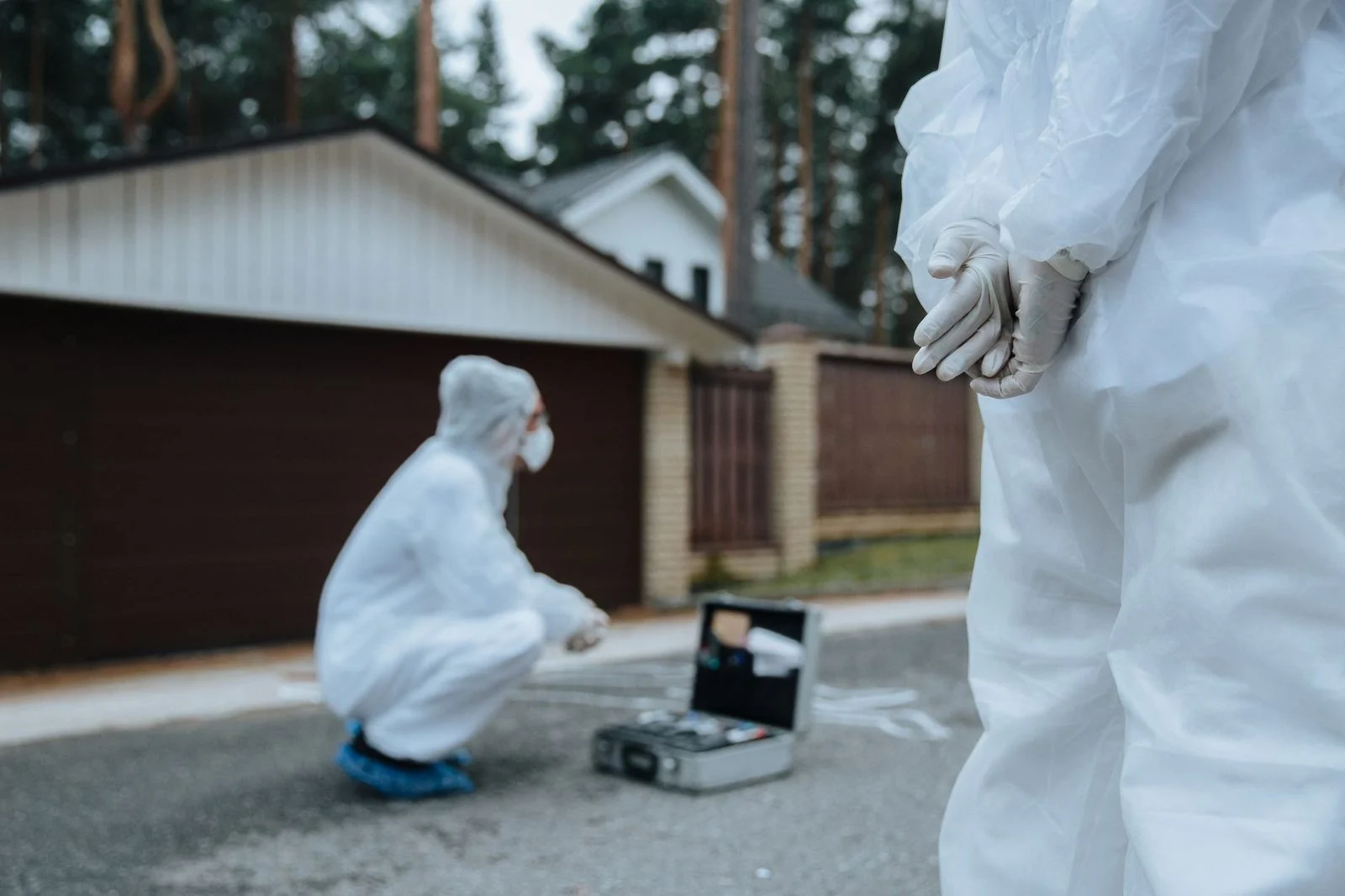
An animal control or police report is an official record of the bite. It may list the dog’s description, the owner’s information, and what the officer saw.
Many bites are reported to a city or county animal control agency, to police, or to both. A report filed soon after the bite is usually more useful than one filed weeks later. Reports may also note whether the dog was quarantined or observed, which helps build the timeline.
Write down the report or case number, the agency name, and the date. Then request a copy.
Timing matters when a public agency is involved. Under Government Code § 911.2, a claim for injury against a California public entity must be presented within six months after the cause of action accrues.
How Can Witness Statements and Photos Support the Claim?
Witness statements and photos show what happened in the moments around the bite.
Anyone who saw the dog’s behavior, the owner’s control of the dog, or events before and after the bite can help. Get names and phone numbers right away. Ask each witness to write down what they saw and to date it. A dated written statement is easier to rely on than memory that fades over time.
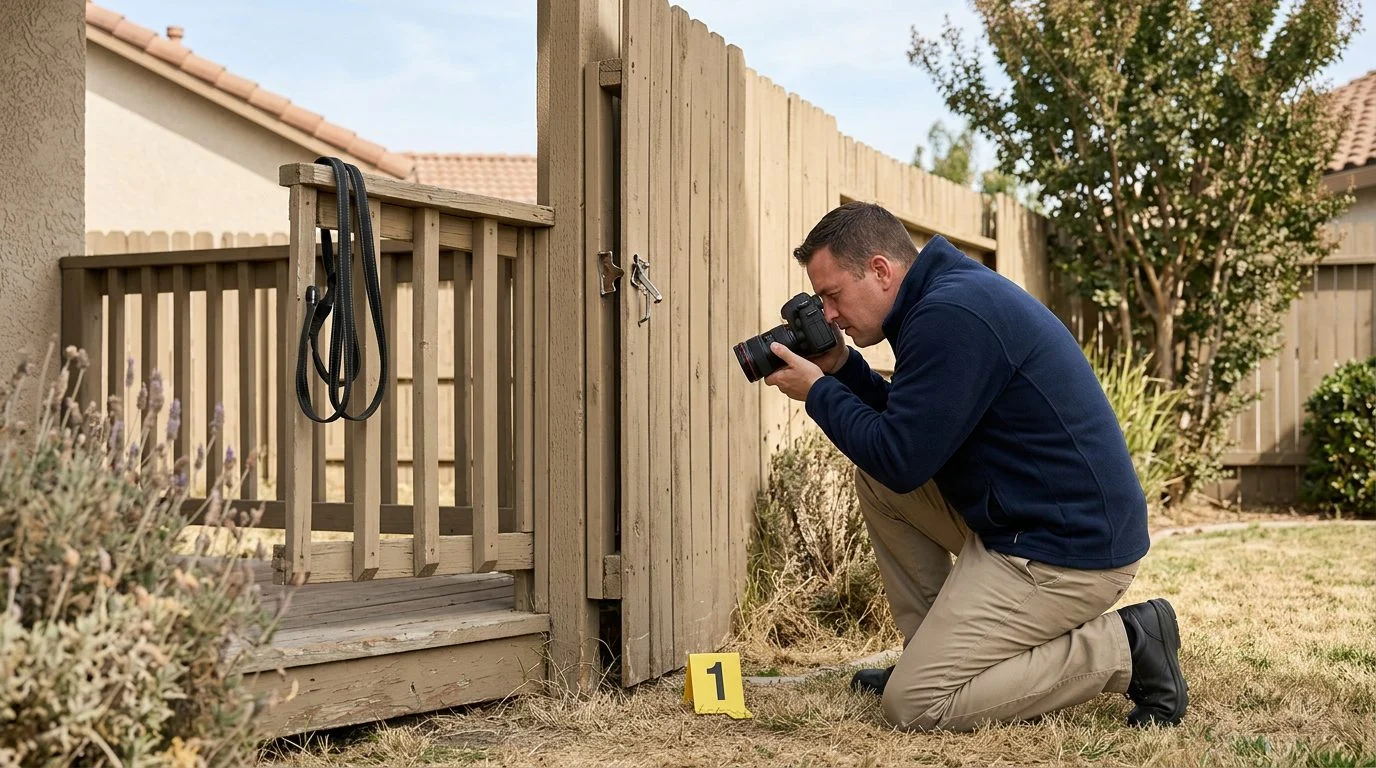
Take photos of the injury at several stages of healing. Also photograph the scene, broken fences or gates, posted signs, and torn clothing. Keep the original files with their date stamps, and don’t edit or crop them.
What Should Be Done to Preserve Dog Bite Evidence Early?
Preserve evidence early by keeping physical items, saving records, and writing a timeline while memory is fresh.
Keep torn or bloody clothing in a sealed bag, and don’t wash it. Store every bill, receipt, text, and social media message. Keep a daily journal of pain, missed work, and daily limits.
Write a timeline that includes the time, the place, what the dog did, what the owner said, and who was present.
Sympathy and fault are treated differently. Under Evidence Code § 1160, a kind expression of sympathy about an accident, made to the injured person or their family, is generally inadmissible as evidence of an admission of liability in a civil action. A statement of fault is not protected by that section.
Keep talks with the owner or insurer brief and factual. Avoid posting about the bite online.
Not sure what your next step is?
Talk it through with our team — the first consultation is free, confidential, and carries no obligation.
How Does Insurance Information Fit Into the Evidence File?
Insurance details belong in the file because an owner’s homeowner’s or renter’s policy may matter to the claim.
Write down the insurer’s name, the policy holder’s name, and any claim number the owner or insurer gives you. Keep every letter, and note every call with the date and the person you spoke with.
Frequently Asked Questions
What dog bite claim evidence matters most?
Medical records and proof of who owns the dog are usually the core of the file.
Do I have to prove the dog bit someone before?
No. Under Civil Code § 3342, the owner’s liability does not depend on the dog’s former viciousness or the owner’s knowledge of it.
How long do I have to file?
Under Code of Civil Procedure § 335.1, a personal injury lawsuit generally must be filed within two years.

Talk Through Your Dog Bite Evidence With Colvin Accident Lawyers
You may be recovering from a bite, or gathering paperwork for a child or family member who was bitten. You may not know which records to request first.
Bring the medical records, any animal control report, your photos, witness names, and the owner’s details to a conversation. That way the file can be reviewed together. Colvin Accident Lawyers offers a free first consultation, which is confidential and carries no obligation to continue.
Contact Colvin Accident Lawyers to talk through your evidence.
For the wider process, read Dog Bite Lawyer California and Dog Bite Injury Claim Steps.
Why Early Evidence Matters
Memories fade
Details about the dog, the location, and the people nearby are easier to recall and confirm while they are fresh.
Records build the timeline
Medical and treatment records connect your injuries to the bite and show how your care has progressed.
Physical proof is fragile
Torn clothing, damaged belongings, and scene photos can be lost or changed if they are not kept safe.
Witnesses help confirm facts
People who saw the attack or its aftermath can describe what happened in their own words.
Keep Everything, Even What Seems Minor
Save original bills, receipts, photos, texts, and insurance letters. Do not throw away torn clothing or other items from the incident, and do not change them before they are documented.
Evidence to Gather
Photos and the scene
Pictures of your injuries, the dog, the location, and any property damage help show what happened and where.
Medical records
Emergency visits, treatment notes, prescriptions, and follow-up care document the nature of your injuries.
Information about the dog and owner
Names, addresses, contact details, and any vaccination or licensing records help identify the people and animal involved.
Witness and official reports
Statements from witnesses and any animal control or police reports add independent detail to your file.