Motorcycle Accidents | Bakersfield, CA
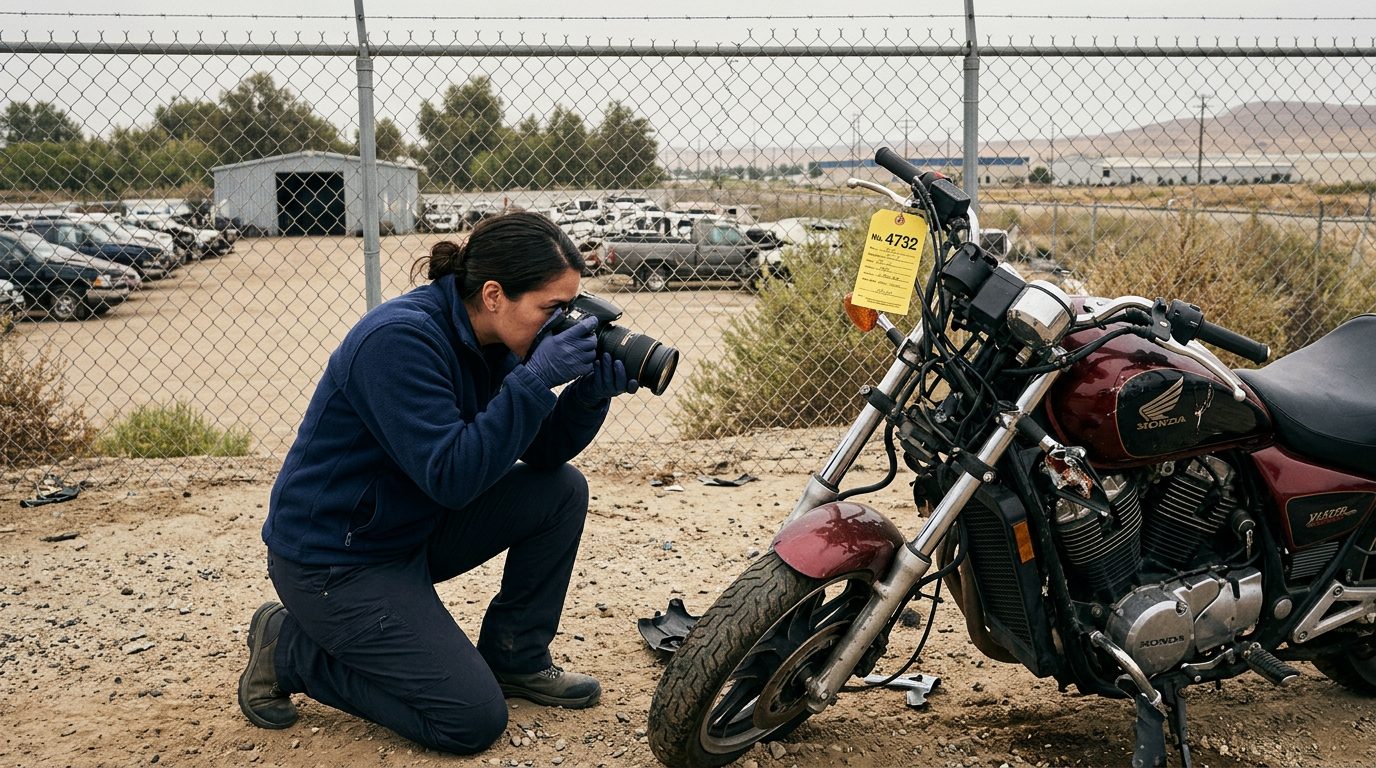
Damaged Motorcycle After a Crash in California: Who Pays?
A wrecked bike can mean repair bills, a total loss, and a lot of paperwork. Here is how property damage claims are usually organized, and what to gather early.
By Donald Norman Colvin · Published November 16, 2026
Can I get paid for damaged motorcycle after crash California?
In many cases, yes. Damage to your motorcycle is usually a property damage claim, and it runs separately from any claim for your injuries. Who pays depends on who caused the crash, which insurance applies, and the facts of your accident.
A crash can leave you with a towed bike, a tow yard bill, and an insurer’s letter within days. Riders often ask this question while still dealing with all of that. Sometimes a friend or family member asks on the rider’s behalf.
This page covers who may owe payment, how a totaled bike is valued, which other costs may count, how California fault rules work, the deadlines that matter, and what evidence to keep. It is general information about California law, not advice about your specific case.
Responsible lawyer: Donald Norman Colvin, Colvin Accident Lawyers, Bakersfield, California.
If your bike was totaled and an insurer's offer is on the table, you don't have to sort it out alone. Talk with our team about your options. Talk it through with our team — the first consultation is free, confidential, and carries no obligation.
Who can be asked to pay for your motorcycle?
When another driver’s negligence caused the crash, that driver’s liability insurer is usually the main source for property damage. You can ask that insurer to address the repair or total loss of your bike directly.
Your own collision coverage, if your policy includes it, can pay for repairs or a total loss. You usually pay your deductible first. Your insurer may then try to recover that money from the at-fault driver’s insurer.
Comprehensive coverage can apply to some damage that does not come from a collision, such as theft or a falling object. Check which coverages your policy lists before you assume anything.
Which source applies depends on the facts of the crash and the policies involved. An adjuster may point to one policy while another one applies. Compare every option before you accept a payment.
What happens when a motorcycle is totaled?
A totaled motorcycle is usually valued at what it was worth just before the crash. If you keep the wreck, its salvage value is subtracted from that amount.
Insurers often look at comparable bikes for sale, the model year, mileage, condition, and add-on parts. Upgrades such as exhaust systems, custom paint, or crash bars can count when you can show what you paid and when.
Tow yards charge storage fees, and those fees can grow while the claim is pending. Ask the insurer for its valuation report in writing. Read any release before you sign it.
California law bars insurers from knowingly misrepresenting pertinent facts or policy provisions to claimants with such frequency as to indicate a general business practice. Insurance Code § 790.03 lists misrepresenting pertinent facts or insurance policy provisions relating to any coverages at issue to claimants as an unfair claims settlement practice when done knowingly and with such frequency as to indicate a general business practice. Under California’s damages rule for the breach of an obligation not arising from contract, except where otherwise expressly provided by this Code, the measure is the amount that compensates for all the detriment proximately caused thereby, as set out in Civil Code § 3333.
What other costs can be part of a motorcycle property damage claim?
Towing and storage charges are commonly included with the bike’s damage. Keep every invoice from the scene, the tow yard, and the repair shop.
Gear damaged in the crash can also be part of the claim. That includes helmets, riding jackets, saddlebags, and mounted electronics. Photos and receipts help prove what each item was and what it cost.
Keep a damaged helmet, even if it looks fine on the outside.
Transportation costs while your bike is unavailable may be raised, depending on your coverage and the facts. Insurers usually compare the repair estimate with the bike’s value. If repairs cost more than the bike is worth, the insurer often declares a total loss.
How does fault affect what you receive in California?
Insurers may argue that speed, lane position, or braking contributed to the crash. Each point is weighed on its own facts, so the details of your ride matter.
A driver who opens a car door into a rider’s path raises its own fault questions. Our dooring page covers those questions in more detail.
A pothole or other road hazard can raise a claim against a city, county, or state agency. Those claims follow their own rules, which we cover in the next section.
What deadlines and reports apply to a motorcycle property damage claim?
Property damage claims generally have a three-year deadline to file a lawsuit, under Code of Civil Procedure § 338. Injury claims generally have a two-year deadline under Code of Civil Procedure § 335.1. The two clocks can run differently, so track both.
Claims against a public entity are shorter. A claim for injury to person or personal property must be presented, as provided in Article 2 of the Government Code claims chapter, not later than six months after the accrual of the cause of action, under Government Code § 911.2.
Vehicle Code rules also apply. The report can be made personally or through an insurance agent, broker, or legal representative.
Insurance deadlines matter too. [Insurance Code § 790.03] also lists misleading a claimant as to the applicable statute of limitations as an unfair practice when done knowingly and with such frequency as to indicate a general business practice. Check your dates with a lawyer soon rather than waiting.
Not sure what your next step is?
Talk it through with our team — the first consultation is free, confidential, and carries no obligation.
What evidence should you keep for a motorcycle damage claim?
Keep anything that shows the bike’s condition, how it was damaged, and what the crash cost you. Start with the scene, if it is safe to do so.
Take photos and video of the bike, the vehicles, the road, and any road hazard. After a collision, steps can include moving an undamaged vehicle out of traffic to safety and notifying law enforcement.
Write down the police report number, the other driver’s insurance details, and the names and phone numbers of any witnesses.
Save repair estimates, total loss valuations, tow and storage invoices, and receipts for gear and aftermarket parts. Keep the title, registration, and maintenance records. They help show the bike’s value and condition.
Ask the insurer before you repair or sell the bike, so you don’t lose evidence of its condition. Our evidence checklist page covers this in more detail.
Talking with Colvin Accident Lawyers about your motorcycle claim
If a towed bike and a total loss letter are on your desk, you’re facing decisions you didn’t choose. You may also be recovering from injuries while handling calls from insurers.
The decisions often come quickly. You may need to decide whether to accept a valuation, whether to sign a release, or when to report the crash.
Common questions
Who pays for a totaled motorcycle in California?
It can be the at-fault driver’s liability insurer or your own collision coverage. Which one applies turns on who caused the crash and which policies are involved.
How long do I have to file a motorcycle property damage claim?
Generally three years for property damage under Code of Civil Procedure § 338. Claims against a public entity have a six-month deadline.
Does being partly at fault affect my recovery?
Yes.
If you’re weighing a valuation or a release right now, talk with our team at Colvin Accident Lawyers. Your first consultation is free, confidential, and carries no obligation to continue.
What to Gather After a Motorcycle Crash
Photos of the bike and the scene
Take clear photos of the damage, the location, and any road conditions or signs nearby, before the motorcycle is moved or repaired.
Police and crash report numbers
Keep the report number and the names of the officers and any witnesses. These details help identify the parties and their insurers.
Insurance information
Write down the policy details and claim numbers for every insurer involved, including your own motorcycle policy.
Repair estimates and receipts
Keep every repair estimate, towing bill, storage charge, and rental invoice. They document what the crash has cost you so far.
Before You Sign Anything
Insurance adjusters may ask for a quick recorded statement or a settlement for your bike. Speak with a lawyer first so you understand what a release covers before you agree to it.
Ways We Help Motorcycle Riders
Reviewing the claim
We look at the crash facts, the insurance policies involved, and the damage to your motorcycle so you know which claims may apply.
Handling insurer communication
We can deal with the adjusters on your behalf so you are not pressured into decisions while you are still recovering.
Explaining your options
We explain in plain language how property damage, injury, and total-loss claims differ, and what each one may involve.