Motorcycle Accidents | Bakersfield, CA
Is Lane Splitting Legal in California? Here's What the Law Says
What California Law Says About Lane Splitting
Defined in the Vehicle Code
Vehicle Code § 21658.1 defines lane splitting as riding a motorcycle with two wheels in contact with the ground between rows of stopped or moving vehicles in the same lane.
Facts Shape Every Case
How lane splitting figures into a crash depends on the specific facts, including lane position, traffic speeds, and how each vehicle moved.
Talk to Us Early
Our team offers a free, confidential first consultation with no obligation to continue, so you can review what happened and ask your questions.
Key Point
Lane splitting is defined by statute, but the facts of each crash decide how it is evaluated. General information is not a substitute for reviewing your own situation.
By Donald Norman Colvin · Published October 29, 2026
What is the law in California regarding motorcycle lane splitting? Vehicle Code § 21658.1 defines lane splitting as driving a motorcycle that has two wheels in contact with the ground between rows of stopped or moving vehicles in the same lane, and it authorizes the California Highway Patrol to develop educational guidelines on the practice. The rule itself sits in Vehicle Code § 21658.1.
This page explains what that statute says, what it leaves open, and how the rule can bear on fault after a crash.
If you’re reading this after a crash, you may be trying to understand what happened, maybe for a family member. You don’t need every legal detail at once. Start with the basic rule.
What California Law Says About Lane Splitting
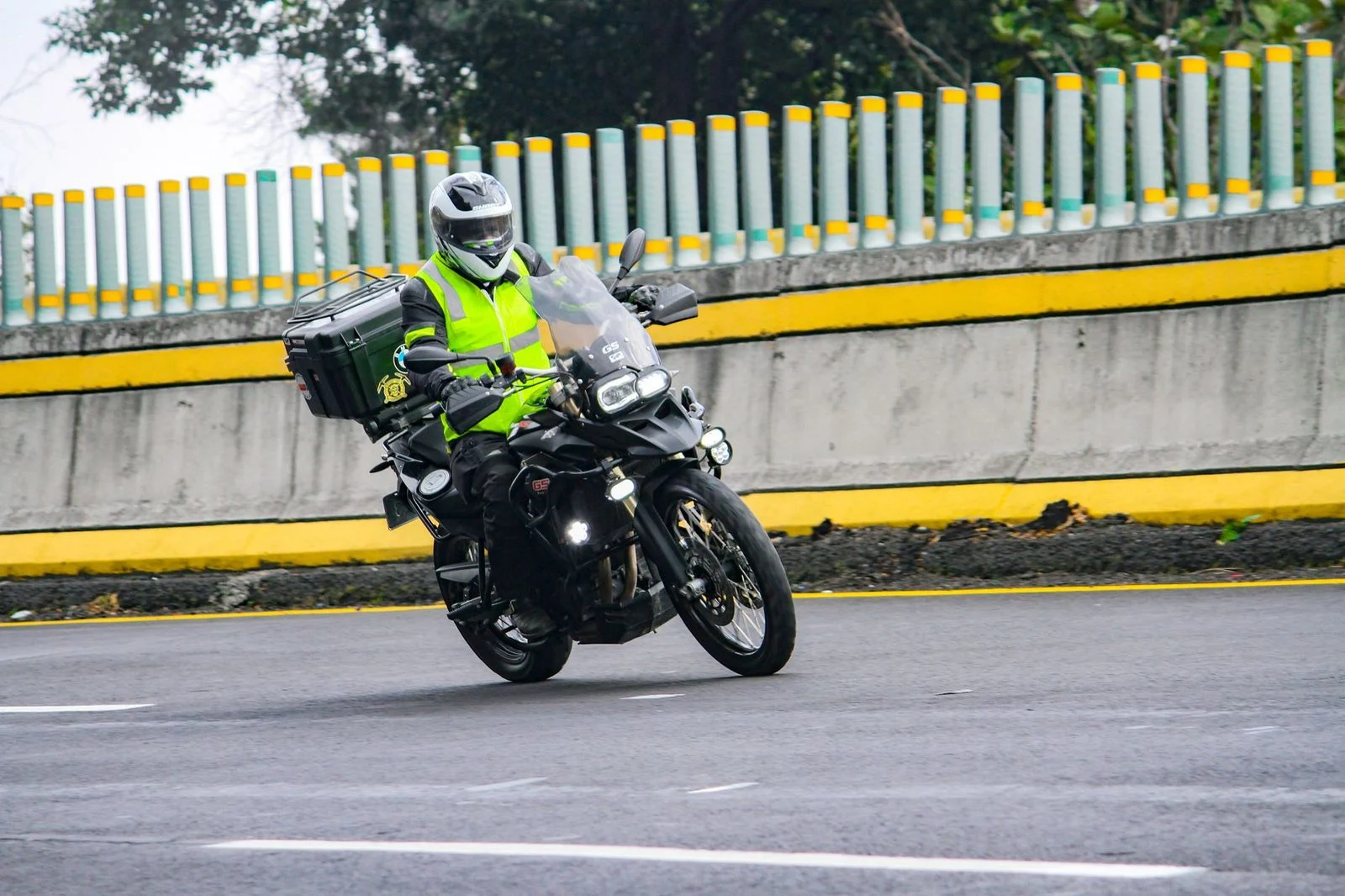
Lane splitting means driving a motorcycle that has two wheels in contact with the ground between rows of stopped or moving vehicles in the same lane. It is written into state law.
Lane splitting is different from riding on the shoulder. Keep the two ideas apart when you read a crash report or an insurance letter.
Why does this matter? Read the text, and you’ll see exactly what it covers and what it leaves out.
If a crash involving a lane-splitting motorcycle has left you with questions about fault, our team is ready to talk through the facts with you. Talk it through with our team — the first consultation is free, confidential, and carries no obligation.

What California Vehicle Code 21658.1 Actually Says
Vehicle Code § 21658.1 defines lane splitting as riding between rows of vehicles in the same lane. Subdivision (a) covers motorcycles that have two wheels in contact with the ground. It applies on both divided and undivided streets, roads, and highways.
Three parts matter most. First, the motorcycle must have two wheels on the ground. Second, it must move between rows of vehicles. Third, those vehicles must be in the same lane. The statute covers stopped traffic and moving traffic alike.
Subdivision (b) lets the California Highway Patrol develop educational guidelines. Those guidelines should help keep the motorcyclist and the drivers and passengers of nearby vehicles safe. In developing guidelines, Subdivision (c) requires the CHP to consult agencies and organizations with an interest in road safety and motorcyclist behavior, including, but not limited to, the Department of Motor Vehicles, the Department of Transportation, the Office of Traffic Safety, and a motorcycle organization focused on motorcyclist safety.
The statute addresses lane splitting itself. Other traffic rules still apply to riders and drivers, including the general speed rule in Vehicle Code § 22350.
How the Statute Defines Lane Splitting and Where It Leaves Gaps
Its text gives no mph limit for riding between lanes. Instead, the general speed rule in Vehicle Code § 22350 applies. It says no one may drive faster than is reasonable or prudent.
That rule looks at weather, visibility, traffic, and the surface and width of the road. It also bars any speed that endangers people or property. The same test reaches every driver on the road, including the rider.
This gap matters in practice. Many people look for one speed number. The statute doesn’t provide one, so the question becomes whether the speed was reasonable for the conditions. Traffic can slow in seconds, and a gap can close fast. Those changes shape whether a speed was reasonable.
What the CHP Guidelines Recommend Without Setting a Speed Limit
The CHP guidelines are advisory, and they are not statutory speed limits. Subdivision (b) says the CHP “may develop” educational guidelines. Their stated purpose is safety for the motorcyclist and for nearby drivers and passengers.
A rider who follows published guidance can show careful riding. That doesn’t settle a crash on its own. Guidance is one factor among many, and the facts of the crash still count.
The statute’s safety goal points to the same conditions that matter on any road. Those include traffic flow, visibility, and the road surface. Section 22350 lists these same factors, so they remain part of how a ride is judged.
Why California’s Explicit Rule Stands Out
California has written lane splitting into its Vehicle Code. That gives the question a direct statutory answer.
Riders, drivers, and family members often ask what that written rule means after a specific crash. The DMV handbook also advises drivers not to pass a motorcycle within the same lane. That advice gives drivers a clear reference point when they share a lane with a rider.
Fault and Liability After a Lane-Splitting Crash in California
California follows pure comparative negligence, which means each party’s share of fault reduces what that party can recover. Fault after a collision is often disputed, and how it is assigned depends on the facts of each case.
Fault turns on how each party moved. The facts of each crash decide where fault falls.
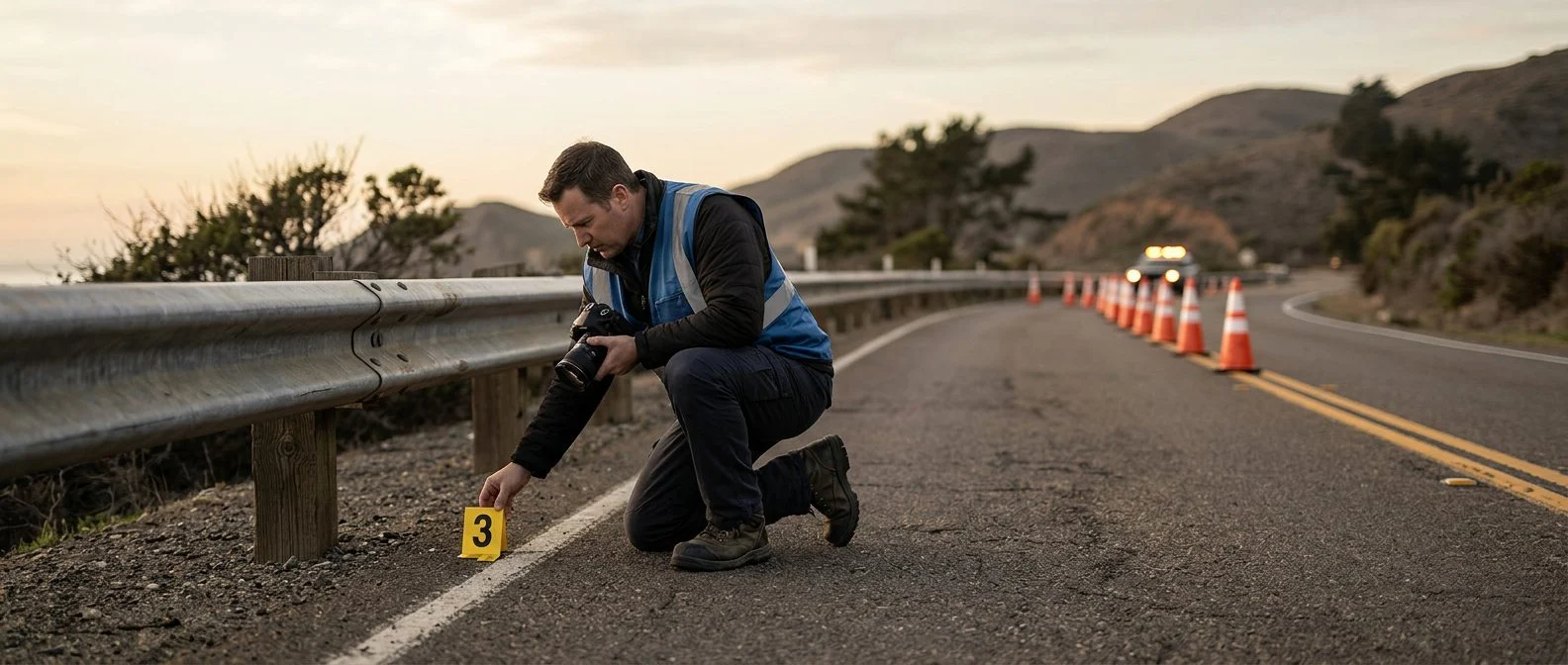
Facts that often matter include lane positions, traffic speeds, any lane changes, the scene, and witness statements. Photos and records from the scene can help show how each vehicle moved.
When more than one party is at fault, the rules on damages come into play. Under Civil Code § 1431.2, each defendant’s liability for non-economic damages is several only. Each defendant pays its share of non-economic damages only in direct proportion to its share of fault. Economic damages are objectively verifiable monetary losses, such as medical expenses and lost earnings. Non-economic damages are subjective losses, such as pain, suffering, and emotional distress.
Results depend on the facts of each case. No statute can predict how a particular crash will be judged. For the wider fault framework, see our motorcycle accident lawyer page and our page on partly-at-fault motorcycle crashes.
Not sure what your next step is?
Talk it through with our team — the first consultation is free, confidential, and carries no obligation.
Key Takeaways and a Next Step
Vehicle Code § 21658.1 defines lane splitting as driving a motorcycle, with two wheels in contact with the ground, between rows of stopped or moving vehicles in the same lane. Here is the short version:
- What is the law in California regarding motorcycle lane splitting? Vehicle Code § 21658.1 allows the California Highway Patrol to develop educational guidelines relating to lane splitting.
- Vehicle Code § 22350 says no person shall drive at a speed greater than is reasonable or prudent for weather, visibility, traffic, and the surface and width of the highway, and in no event at a speed that endangers the safety of persons or property. The general prudent-speed rule in § 22350 applies.
- CHP guidelines are advisory and are not speed limits.
- Fault after a crash turns on the facts of each case.
If you’re trying to make sense of a crash that involved a lane-splitting motorcycle, you may be dealing with injuries, a loss, or a family member’s recovery. You may not yet know what the law means for fault or for your next steps. Contact Colvin Accident Lawyers to talk through the crash facts. Our free first consultation is confidential, with no obligation to continue.
Is lane splitting legal in California?
Vehicle Code § 21658.1 defines lane splitting as driving a motorcycle that has two wheels in contact with the ground between rows of stopped or moving vehicles in the same lane.
Does California set a speed limit for lane splitting?
No. The statute sets no numeric speed, and the general prudent-speed rule in Vehicle Code § 22350 still applies.
What California law says about lane splitting
Donald Norman Colvin, responsible attorney. Colvin Accident Lawyers, Bakersfield, California — responsible for this site.
Common Questions About Lane Splitting
Is lane splitting legal in California?
California's Vehicle Code addresses lane splitting directly in § 21658.1, which defines the practice and sets out how it is described in the law.
Is there a speed limit for lane splitting?
The general prudent-speed rule still applies, so speed and traffic conditions remain part of how a crash is reviewed.
What if a crash happens while lane splitting?
Every collision turns on its own facts, including the lanes involved, traffic speeds, and how each vehicle moved. Speaking with a lawyer early helps you understand your options.
Who can I talk to?
Colvin Accident Lawyers offers a free, confidential first consultation with no obligation to continue. We serve Bakersfield, Kern County, and nearby communities.