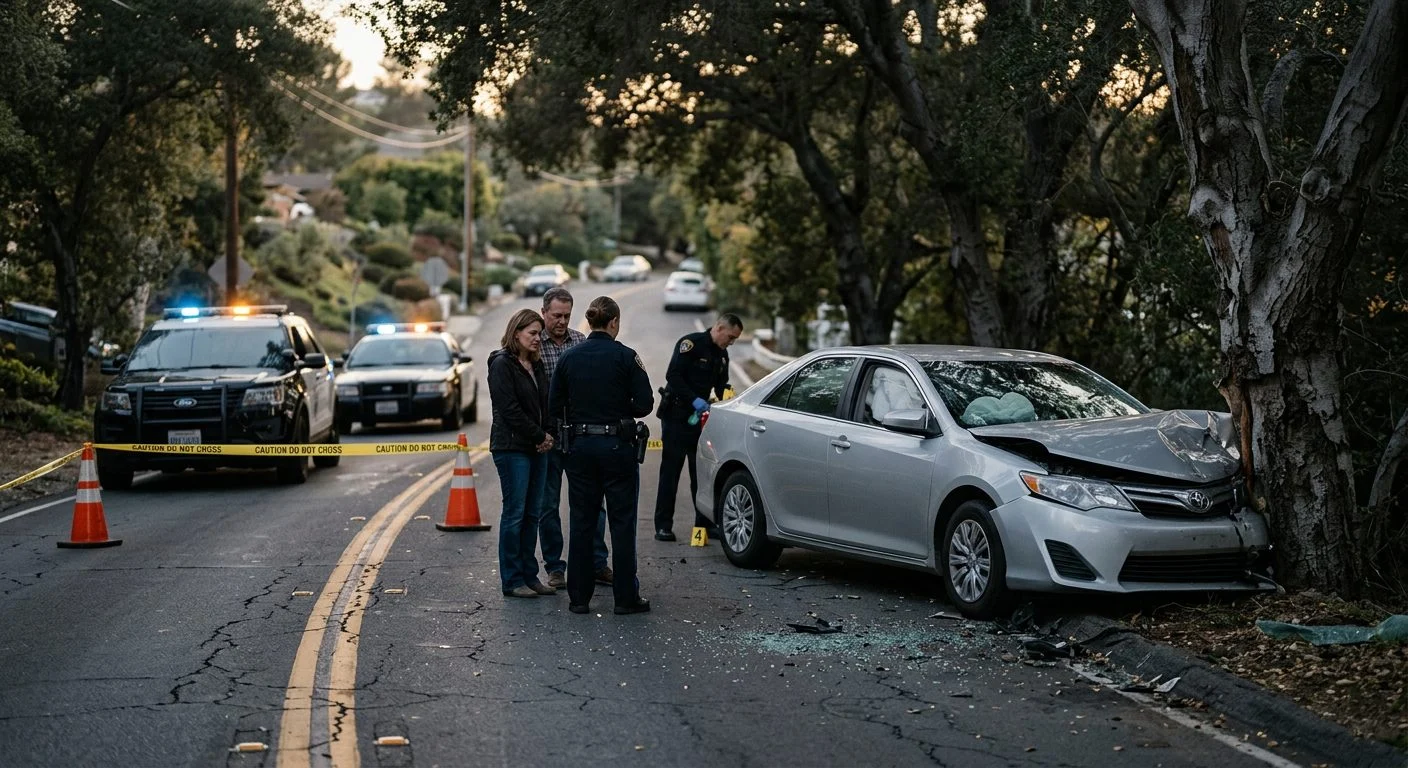
Car Accident Lawyer · Bakersfield, Kern County
Teen Driver Fatal Crash: Are Parents Liable in California?
When a teenager's driving causes a death, families often ask whether the parents can be held responsible. Here is how California law can apply, and how Colvin Accident Lawyers can help you understand your options.
By Donald Norman Colvin · Published October 26, 2026
Quick Answer: Can Parents or a Vehicle Owner Be Held Liable?
In many cases, yes. California can hold a vehicle owner responsible when someone drives the car with permission. A parent may also face separate claims, based on signing a teen’s license application or on what the parent knew about the teen’s driving.
This page covers three routes: owner liability, the signer rule, and direct parental negligence. The parents and the vehicle owner are not always the same person. A teen driving a family car raises different questions than a teen driving a car the teen owns.
In a fatal crash, the claim belongs to the eligible survivors of the person who died. So the real question is which parties can be named, and what each party’s liability covers. Most families need to look at all three routes, not just one.
If a teen driver's crash took someone you love, the parents or the car's owner may be responsible, and we can help you sort through the facts. Reach out for a free consultation. Talk it through with our team — the first consultation is free, confidential, and carries no obligation.
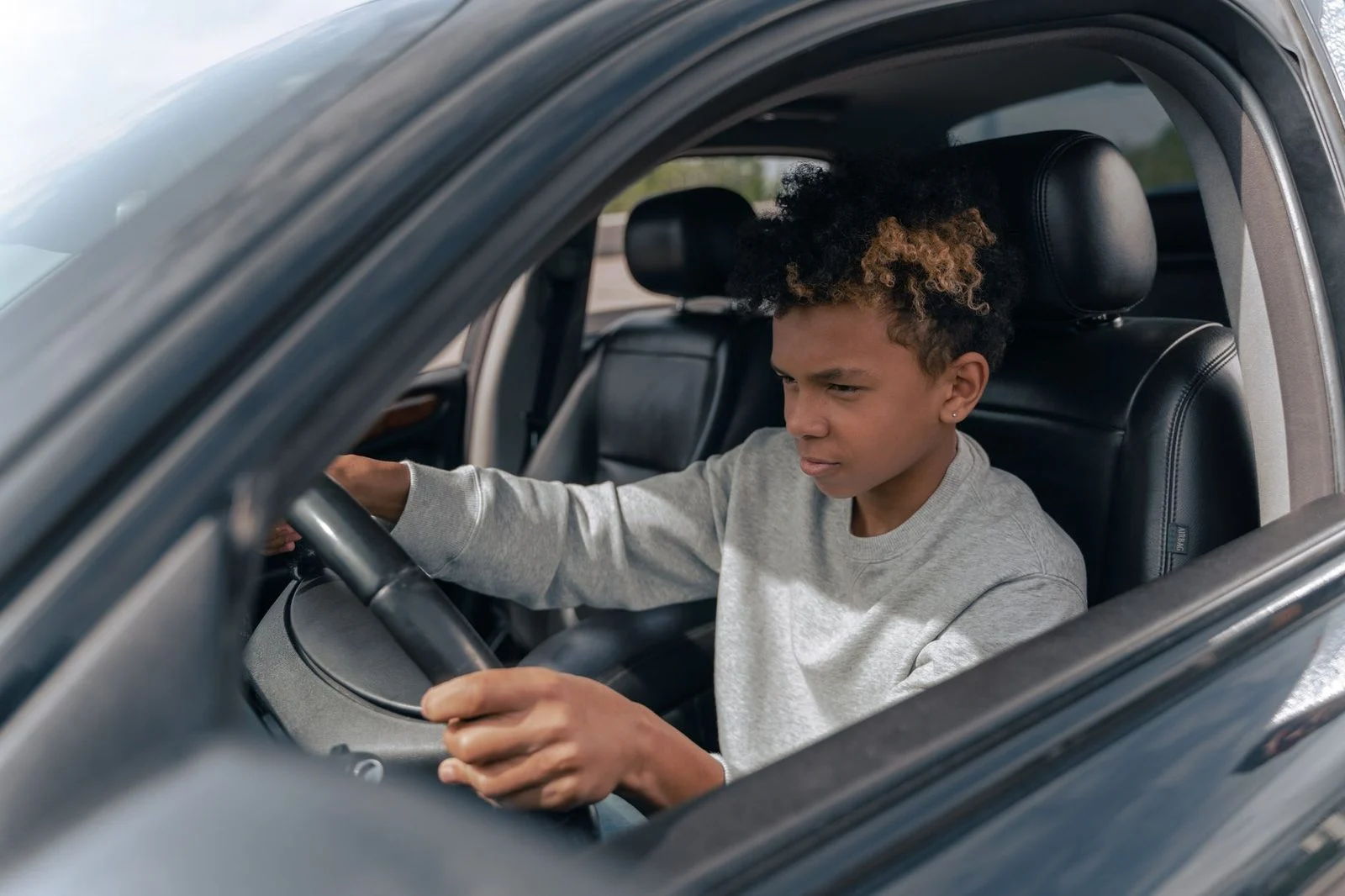
The Permission Rule: Vehicle Code 17150 and 17151
Yes, an owner can be liable when someone else drives the car with permission. Cal. Veh. Code § 17150 makes every owner liable for death or injury to person or property from a negligent or wrongful act or omission in operating the vehicle, when the driver has the owner’s express or implied permission.
The owner does not have to be behind the wheel. Under California Vehicle Code § 17150, a vehicle owner can face liability when a driver operates the car with the owner’s express or implied permission, even if the owner was not in the car at the time.
Permission can be express or implied. A teen who regularly takes the car with the owner’s knowledge may fall under implied permission.
The statute also sets dollar limits. Cal. Veh. Code § 17151(a) caps owner liability at $15,000 for the death of or injury to one person in one accident, but the cap does not apply to liability arising through a principal-and-agent or employer-and-employee relationship. It caps it at $30,000 for more than one person, and at $5,000 for damage to property of others. These caps apply to liability under that chapter.
The Liability-by-Signature Rule: Vehicle Code 17707
Yes, the person who signed a minor’s license application can share liability. Cal. Veh. Code § 17707 makes the person who signed and verified the minor’s license application jointly and severally liable with the minor for damages from the minor’s negligent or wrongful driving during minority, except that an employer who signed the application is liable only if an unrestricted driver’s license was issued to the minor pursuant to the employer’s written authorization, and no liability may be imposed on the state or county, or on a probation officer or child protective services worker acting as an officer of the court, for damages caused solely by the negligence or willful misconduct of a minor driver whose application was signed by that worker or officer while the minor was a dependent or ward of the court.
This rule turns on who signed and verified the application.
The application paperwork is a key record. It shows who signed, and it helps answer whether this rule applies. Families should locate it early and keep a copy.
Direct Parental Negligence: Negligent Entrustment
Yes, a parent can face a claim based on what the parent knew, not only on ownership.
Facts that can support this claim include a known history of citations, a suspended or restricted license, prior crashes, or reckless driving the parent knew about. A parent who handed over keys after a clear warning faces a harder question than one with no reason for doubt.
The § 17151 caps apply to liability imposed under that chapter, so they do not automatically decide a common-law claim. Proof of what the parent knew before the crash usually matters most.
Proof That Matters: Evidence for a Parental Liability Claim
The records that matter most are the crash report, ownership records, and the teen’s license history. Families can start with the CHP crash report requests process to learn who may request a report.
The DMV has a separate filing. Under Cal. Veh. Code § 16000, the driver of a motor vehicle involved in an accident on a street or highway that resulted in damage to the property of any one person in excess of one thousand dollars ($1,000), in bodily injury, or in the death of any person must report the accident within 10 days after the accident, on a form approved by the department.
Insurance records show which policy was in force and who was listed. Under Cal. Veh. Code § 16020(d)(1), the insurer’s name and policy number can appear in DMV registration records.
Finally, gather the teen’s prior driving history, citations, collisions, and any warnings the family received. Witness statements and messages about the teen’s use of the car can also matter. Keep the vehicle and phone records intact.
How Comparative Fault, Limits, and Insurance Affect Recovery
Several parties may be named. These can include the teen driver, the vehicle owner, and a parent with independent negligence. Each route has its own rules and limits.
Non-economic damages, such as pain and suffering, follow a special rule. Under Cal. Civ. Code § 1431.2, each defendant is liable for those damages only in direct proportion to that defendant’s percentage of fault.
Insurance can come from the teen’s policy, a parent’s auto policy, or the owner’s policy. Which policy responds turns on the crash facts and the policy terms. Families should expect the insurer to contact them early, and they should be careful about what they say.
Not sure what your next step is?
Talk it through with our team — the first consultation is free, confidential, and carries no obligation.
Timing and Next Steps for a Family Considering a Claim
California generally gives two years to file an action for a death caused by another’s wrongful act. See Cal. Code Civ. Proc. § 335.1. Other deadlines or notice rules can apply depending on the defendant.
Who may sue is set by statute. Cal. Code Civ. Proc. § 377.60 lists eligible survivors, including a surviving spouse, domestic partner, and children. Other relatives may qualify under the same section, depending on the facts.
For an overview of the claim process, see our wrongful death overview.
Frequently asked questions
Can parents be sued for a teen driver’s fatal crash in California?
Yes, in some cases. Liability can arise from owner status, from signing the license application, or from negligent entrustment.
How long do families have to file?
California generally allows two years under Code of Civil Procedure § 335.1. Other rules can apply, so act early.
Talk With Colvin Accident Lawyers About Your Family’s Crash
If a teen driver’s crash took your family member’s life, the next decision is who belongs in the claim. Think about who owned the car, who signed the license application, and what the family knew about the teen’s driving before the crash. Those facts shape which parties may be responsible. Colvin Accident Lawyers offers a free, confidential initial consultation with no obligation to continue. Contact Colvin Accident Lawyers to talk through your family’s facts.
Responsible attorney: Donald Norman Colvin. Colvin Accident Lawyers, Bakersfield, California — responsible for this site.
What to Expect When You Reach Out
Free first consultation
Your initial consultation is free, confidential, and comes with no obligation to continue.
A confidential conversation
Share the facts of the crash and your family's concerns in a private setting.
Serving Kern County and nearby communities
Colvin Accident Lawyers represents accident victims and families from Bakersfield, Fresno, Visalia, Lancaster, Palmdale, Delano, and Tehachapi.
Clear answers, no pressure
We explain the questions that matter for your case so you can decide your next step with full information.
Don't Assume the Answer Is No
Whether parents can be held responsible depends on the specific facts of the crash and the documents that exist, such as vehicle ownership and licensing records. Speak with a lawyer before you decide your family has no claim.
Information That Can Help Your Family
Save the crash records
Keep the police report, insurance correspondence, photos, and any medical records related to the crash.
Note who owned the vehicle
Write down the registered owner, who paid for the car, and who held the keys, since these details can matter in the review of a case.
Gather the licensing paperwork
Keep copies of the teen's driver's license application and any permit or licensing documents your family has on hand.
Talk With Colvin Accident Lawyers About Your Family's Options
Related practice areas
- Wrongful Death Attorney in Bakersfield: How a Fatal Accident Claim Is Handled in Kern County