Wrongful Death · Bakersfield, CA
Lost a Loved One Due to Someone Else's Negligence? Learn Where Your Family Stands.
Colvin Accident Lawyers helps families in Kern County and the surrounding communities understand wrongful death claims after a fatal accident. Your first consultation is free, confidential, and comes with no obligation to continue.
Your first step is simple
Free
First consultation
Confidential
Your conversation stays private
No obligation
No commitment to continue
By Donald Norman Colvin · Published October 16, 2026
A family wrongful death claim in Bakersfield lets surviving relatives ask for money after someone dies because another person’s wrongful act caused the death. This guide explains who can sue, what losses may be recovered, how long families have, and what usually comes next in Bakersfield and Kern County. Losing someone is hard, and the steps can feel overwhelming. Taking them in order helps.
What Is a Wrongful Death Claim in California?
A wrongful death claim is a civil lawsuit that surviving family members or dependents bring after another party’s negligence, recklessness, or intentional act causes a death. The goal is money damages for the losses the family suffered. It is not a criminal case.
A criminal case and a civil claim are separate. Prosecutors may file charges, or they may not.
Families often hear about a second type of claim, the survival action. A survival claim can cover the person’s own losses between the harm and the death, but pain and suffering is recoverable only under the limited, time-bound provision of Code Civ. Proc. § 377.34(b) and generally not otherwise. A wrongful death claim covers the family’s losses. Many families pursue both together.
California’s basic damages law lets a person who suffers harm from another’s wrongful act recover money for that harm. Civil Code § 3281 states that rule in plain terms.
Wrongful deaths happen in many settings. Car, truck, motorcycle, bicycle, pedestrian, and bus crashes are common examples. Dog attacks and unsafe property conditions can also lead to a death. Each area has its own rules and evidence, so the details matter.
If a death in your family may have been caused by someone else, our team is ready to talk through your options in a free, confidential first consultation. Talk it through with our team — the first consultation is free, confidential, and carries no obligation.

Who Can File a Wrongful Death Lawsuit in California?
Usually, the people who can file are the decedent’s close family and dependents. These often include a surviving spouse, a registered domestic partner, and children. Code Civ. Proc. § 377.60 identifies who may file, and the categories include heirs entitled to succeed under intestate succession, putative spouses, and certain others, such as persons who relied on the decedent for financial support, in the circumstances the statute describes.
Siblings are a common question. The answer turns on how the family’s situation fits the categories the law sets out. Families shouldn’t assume either way.
Parents raise a related question when a child dies. Under Code Civ. Proc. § 377.60, a parent may file as an heir under intestate succession, and the right to file is determined by the statute’s categories rather than by financial dependence alone.
The heirs share one claim for one death. This is often called the one-action rule. It keeps one death from producing many separate suits by different relatives.
Because these rules turn on family details, start by listing who lived in the household and who relied on the person. Write down relationships, dates, and any support given. These details help sort out who may file.
What Damages Can Be Recovered?
Cal. Civ. Code § 1431.2 defines “economic damages” as “objectively verifiable monetary losses,” including medical expenses, loss of earnings, burial costs, and costs of repair or replacement. Civil Code § 1431.2 defines both.
Economic damages are objectively verifiable monetary losses. In a wrongful death action, heirs may recover the loss of financial support and household services the decedent would have provided, plus funeral and burial expenses. The decedent’s own medical bills and lost earnings are generally recovered in a survival action or by the estate.
Non-economic damages are subjective losses with no receipt. Under California case law and CACI No. 3921, wrongful death heirs may recover for the loss of love, companionship, comfort, care, society and moral support. Families often feel these losses most.
California sets the measure of damages for a wrong not based on contract as the amount that compensates for all the harm the wrong caused. Civil Code § 3333 states that rule. The law also allows damages for harm certain to happen in the future, under Civil Code § 3283.
Under California’s comparative fault rule, a decedent’s share of fault reduces the heirs’ wrongful death recovery in proportion to that share (Li v. Yellow Cab Co. (1975) 13 Cal.3d 804).
Under Civil Code § 1431.2, each defendant pays non-economic damages only in proportion to its own share of fault.
This page gives no dollar figures. What a claim is worth turns on its facts, the evidence, and the law that applies.
How Long Do You Have to File?
For most wrongful death claims in California, the general deadline is two years from the date of death. Code of Civil Procedure § 335.1 sets the general two-year period for personal injury suits. The same period applies to wrongful death actions, measured from the date of death.
Claims against a government body follow a different timeline. Under Gov. Code § 911.2, a written claim to a public entity, such as a city, county, or transit agency, generally must be presented within six months. That window is much shorter, so check early whether a public agency may be involved.
Timing can change in special cases. That question turns on the facts. Families shouldn’t assume the general period applies.
Acting early protects evidence and gives your attorney time to meet every date.
Step One: Preserving Evidence and Investigating the Death
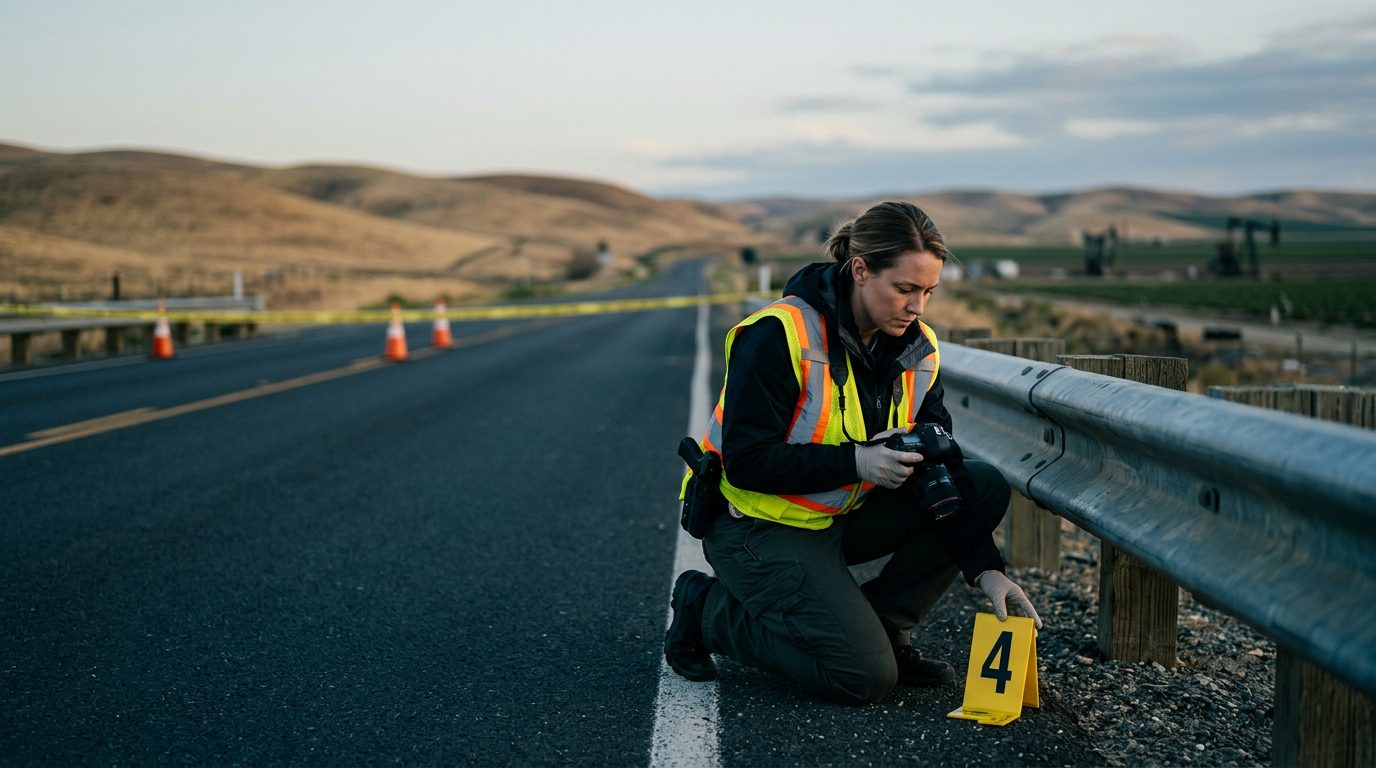
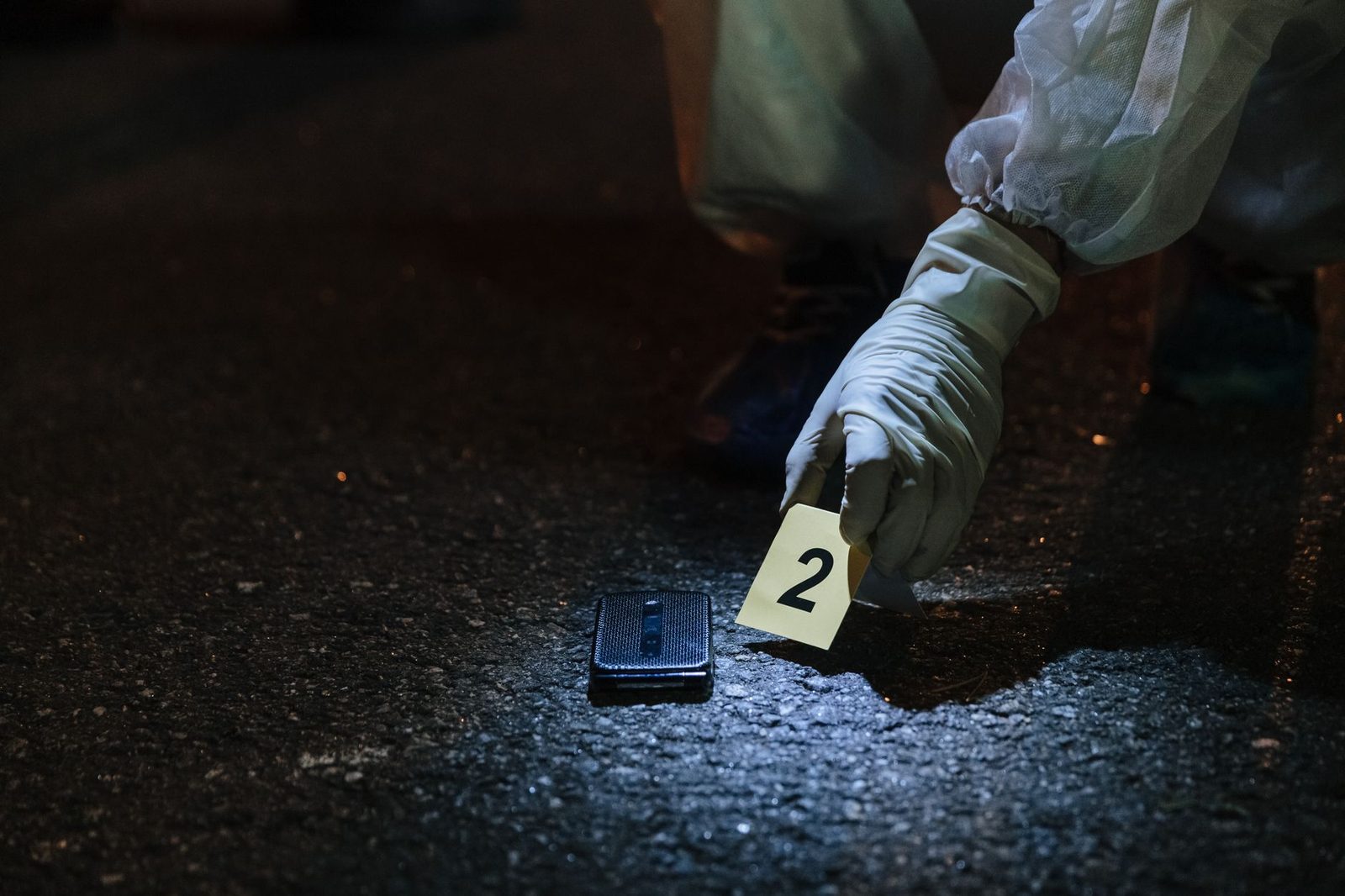
The first job is to protect evidence, because some of it disappears quickly.
Families should keep and gather what they have. Useful records include police and collision reports, coroner or medical examiner records, photos, and names of witnesses. Surveillance video, phone records, and vehicle or property data can matter too.
Evidence can be lost in ordinary ways. Vehicles get repaired or scrapped. Video is often overwritten after a set period. Photos on a phone can be deleted by accident.
Investigation works to show who was at fault, what caused the death, and how the defendant’s conduct connects to it. Those points form the core of liability.
The decedent’s own records matter too. Pay stubs, tax returns, and employment records help show lost income and support. Receipts for funeral and burial costs belong in the file.
Share everything with your attorney, even if a document seems minor. Attorneys decide what matters after they review it.
Step Two: Insurance Claims and Early Contact
Insurance companies may contact the family early, often before the family knows its rights. Families don’t have to answer every question or sign papers right away.
Adjusters can be polite and still work for the other side. A recorded statement given too soon can include details that are incomplete or confusing.
An early offer may not reflect the full scope of wrongful death losses. Future support and non-economic harm may not be fully known yet. Review the whole picture before signing any release.
Several types of coverage may apply. These can include auto liability coverage, commercial or fleet policies, homeowner or premises policies, and uninsured or underinsured motorist coverage where it’s relevant.
The defendant’s insurer and any policy limits are facts to verify, not assume. Once a lawyer handles the matter, insurance calls and letters can usually go through that lawyer.
Not sure what your next step is?
Talk it through with our team — the first consultation is free, confidential, and carries no obligation.
Step Three: Probate and Court Approval Where Required
Probate applies in some families and not in others. It’s a court process that handles a person’s estate after death. Whether it applies turns on the family’s situation.
A personal representative is the person the court appoints to act for the estate. In some cases, that person brings or settles a claim for the estate or the heirs.
A probate estate handles the decedent’s assets and claims, including survival claims. A wrongful death claim belongs to the heirs and is not an estate asset, and the two can run side by side.
Local court steps and timing can vary. Confirm the current steps for your county with your attorney.
Step Four: Where the Lawsuit Is Filed and the One-Action Rule
A family wrongful death claim in Bakersfield is filed as a civil complaint.
Colvin Accident Lawyers offers a free first consultation, confidential and with no obligation to continue, where you can ask where your case may need to be filed. Your attorney checks those rules before filing.
After filing, the defendants are served with the complaint. They then respond with pleadings. Next comes discovery, where each side asks for documents and sworn testimony, such as depositions. Motions may be heard along the way.
Filing does not mean trial is certain. Many cases resolve by settlement or by a ruling on a motion before trial.
Families who want to understand how a wrongful death claim is handled can call Colvin for a free first consultation that is confidential, with no obligation to continue. If another lawsuit already exists over the same death, tell your attorney right away so the claims can be coordinated.
Settlement or Trial: How Long Does the Process Take?
The timing varies widely. No one can say in advance how long a settlement will take.
Several factors drive the timeline. These include how deep the investigation goes, how many defendants are involved, whether insurers dispute fault or coverage, and whether probate or court approval is needed. Trial adds more time.
Many cases move through negotiation or mediation. Mediation is a meeting with a neutral person who helps the sides talk about a resolution. Documentation of each loss, from bills to income records, shapes those talks.
If a case goes to trial, it may be heard by a jury or, if the parties waive a jury, by the judge alone, and jury selection involves both the court and the parties. Each side presents evidence on liability and damages, and the jury decides. The Judicial Council of California’s civil jury instructions (CACI) cover negligence, comparative fault, premises liability, and damages. Post-trial options also exist.
Families decide whether to accept any settlement offer. Questions about settlement paperwork are welcome during a free, confidential initial consultation.
Special Situations: Government Defendants, Crashes, Dog Attacks, and Premises Cases
Special rules apply when a public agency, a dog owner, or a property owner may be responsible.
Government defendants have the shorter written-claim deadline described above. Claims involving a city, county, or transit agency should be checked early.
Dog attacks follow a separate statute. The California dog bite statute makes a dog’s owner liable for damages suffered by a person bitten in a public place or lawfully on private property. The owner’s liability applies regardless of the dog’s past behavior or the owner’s knowledge of it.
Premises liability cases ask whether an unsafe condition on someone’s property caused the death. These cases need their own evidence review.
Crashes can involve cars, trucks, motorcycles, bicycles, pedestrians, and buses. Each setting brings its own evidence and insurance issues.
Delayed deaths and catastrophic injuries raise separate questions about cause and timing. A death months after a crash may need careful review of medical records to link it to the injury.
Colvin Accident Lawyers has its office in Bakersfield. Our regional pages cover Delano, Tehachapi, Lancaster, Palmdale, Visalia, and Fresno, with local detail on each.
Next Step for Your Family
A Bakersfield family facing a wrongful death decision often has many questions at once. Who may file, when the deadline falls, and whether a public agency or insurer is involved are common concerns. Our team at Colvin Accident Lawyers can help you sort through them. Contact us through our contact page to start. Our first consultation is free, confidential, and carries no obligation to continue.
Common Questions
Can siblings file a wrongful death claim in California?
Sometimes. It turns on the family’s circumstances and on who the law allows to sue.
How long do I have to file?
For most cases, the general period is two years from the date of death (Code Civ. Proc. § 335.1). Claims against a public agency can have a much shorter written-claim deadline.
Is there a set amount for a wrongful death claim?
No. This page gives no dollar figures, and no lawyer can say in advance what a case is worth.
Donald Norman Colvin is the California-licensed attorney responsible for this site. The firm’s office is in Bakersfield, California. No lawyer can ensure a particular result, and each case turns on its own facts.
Colvin Accident Lawyers, Bakersfield, California — responsible for this site.
Why families contact Colvin Accident Lawyers
Focused on families
We understand that a wrongful death claim is about a loss that cannot be undone, and we approach every family with patience and respect.
Clear explanations
We walk you through the steps, the paperwork, and what to expect, so you can make informed decisions at your own pace.
Local to the Central Valley
Based in Bakersfield, we work with families across Kern County, Fresno, Visalia, Lancaster, Palmdale, Delano, and Tehachapi.
Easy to reach
Call or send a message to start a conversation about what happened and what your family is facing.
Protect the evidence early
Keep the accident report, photos, medical and funeral bills, and any messages about the incident. Avoid posting about the accident or the person's death on social media, and be cautious about giving recorded statements to insurance companies before you have spoken with an attorney.
Common questions families ask
What is a wrongful death claim?
In California, a wrongful death claim is brought by certain family members or the decedent's estate to seek compensation for losses caused by a death due to another party's wrongful act or negligence.
Which losses may be considered?
Losses may include funeral and burial costs, medical bills, and the loss of financial support, companionship, and guidance. What applies depends on the facts of each family's situation.
Who can bring the claim?
California law sets out who may file. Because family circumstances vary, we review your specific relationships and situation during a free consultation.
Does the type of accident matter?
Wrongful death claims can arise from car, truck, motorcycle, bicycle, pedestrian, bus, train, dog bite, and premises incidents. The details of how the death occurred shape the legal issues involved.