Wrongful Death | Bakersfield, CA
Making Sense of the Autopsy Report and Coroner Findings
Plain-language guidance for families in Kern County and Central California on what the coroner's findings mean and how they fit into a wrongful death matter.
By Donald Norman Colvin · Published November 7, 2026
An autopsy report and coroner findings explain how a person died, and they often become the first official proof a family receives. In California, these records can help show the cause of death in a wrongful death claim. They do not decide who is at fault. This page explains what each record is, what it can and cannot show, and what to request and keep early.
Why These Records Matter After a Death in California
Official death records are often the first papers a family sees after a fatal crash, fall, or dog attack. A California wrongful death claim is built on evidence of how the death happened. That evidence starts with these records.
Many families receive these papers while still grieving. They may also be planning a funeral, calling insurers, and deciding about benefits at the same time. That is a heavy load. You don’t have to understand every page on day one.
A common mistake is treating the first report as the final word. Early paperwork can change as investigators learn more. This page covers three record types: coroner findings, autopsy reports, and death certificates. Each one answers a different question. For an overview of who can bring a claim and what damages may be sought, see our wrongful death overview page.
If you're holding a coroner's packet while you wait on an autopsy report, we're glad to talk through what it says, with no obligation to continue. Talk it through with our team — the first consultation is free, confidential, and carries no obligation.
What a Coroner Investigation Is and When One Happens
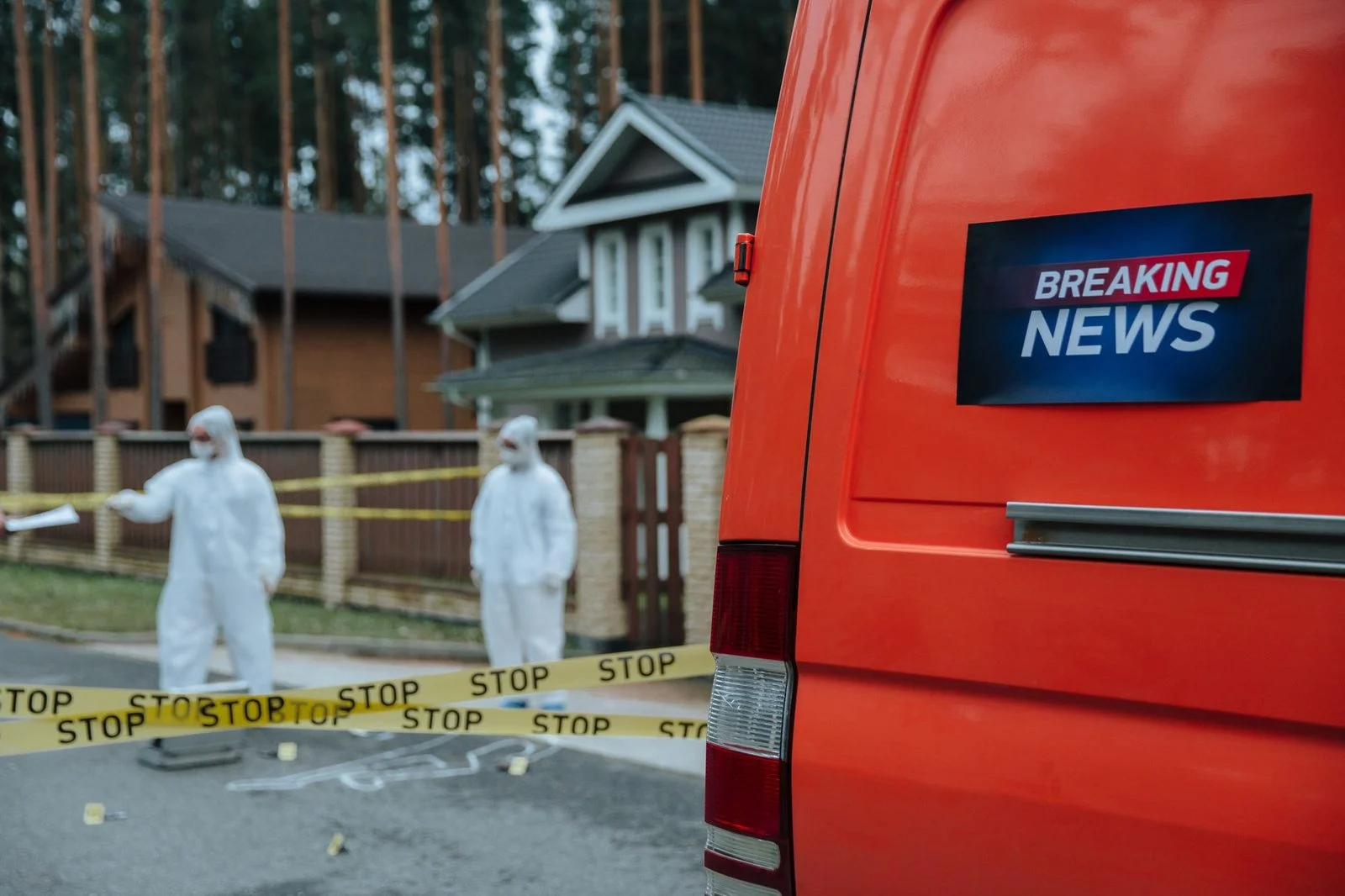
A coroner investigation is a government review of a death. It runs separately from any lawsuit. Coroners and medical examiners look into deaths that are sudden, violent, unusual, or unexplained.
The investigator gathers facts about how the death happened. That work often includes scene information, witness statements, the person’s medical history, and law enforcement reports. The investigator may also order an autopsy. The findings are written down and kept with the county.
Timing varies by county. A coroner investigation can take time to finish, including the final determination of cause and manner of death. That is one county’s process. Ask the agency handling your family’s case what timeline applies. San Bernardino County Sheriff’s Coroner
Autopsy Reports: What They Document and What They Can Establish
An autopsy report records what a forensic pathologist found during an external and internal exam of the body. It can document injury patterns, internal trauma, natural disease, and results from tissue and fluid testing. Those details can help connect an injury to a crash, a fall, or an animal attack.
Many reports also include toxicology results. Blood alcohol and drug tests can matter in a crash case. California’s Vehicle Code makes it unlawful to drive with a blood alcohol concentration of 0.08 percent or more, and 0.04 percent or more when driving a commercial motor vehicle or carrying a passenger for hire. In a prosecution under that subdivision, the statute creates a rebuttable presumption that the person had 0.08 percent or more of blood alcohol at the time of driving if a chemical test taken within three hours after driving showed 0.08 percent or more. Cal. Veh. Code § 23152
The report cuts both ways. It can also show pre-existing conditions, and the other side may use them to argue the crash did not cause the death. A pathologist’s conclusions are opinions drawn from the evidence available at the time. Reports can be revised or supplemented when new information arrives. A common mistake is reading an autopsy as a final answer on fault. It is not. For more on how impairment findings are used, see our drunk-driving crash claims page.
Coroner Findings: Cause of Death and Manner of Death
Cause of death names the injury or medical condition that led to the death. Manner of death is the classification of how it happened, such as accident, homicide, suicide, natural, or undetermined. The two are related, but they are not the same.
For example, a cause may name injuries from a fall, while the manner stays undetermined until the investigation closes. Families should ask whether the classification has changed since the first report.
A manner-of-death classification is an official determination. It can be amended or reviewed when more information arrives. It does not decide who was at fault. A civil court applies its own rules of proof. California Courts Self-Help Guide
Death Certificates: What the Document Shows
A death certificate is a vital record. It lists the cause of death, manner of death, date, place, and the official who certified it. Families usually need certified copies for estate, insurance, and benefit paperwork.
Certificates are often completed before the full investigation is finished. The first version may be incomplete. It can be amended later as more information comes in. Check every entry for errors, including names, dates, and the stated cause and manner.
Compare the certificate with the autopsy report and coroner findings. Do the cause and manner match? If they differ, ask the certifying office why. A difference is not proof of wrongdoing. It is a question worth raising early, while the details are still fresh and the records can still be corrected.
How These Records Fit Into a California Wrongful Death Claim
Under California law, a wrongful death claim may be asserted by certain surviving family members and dependents, or by a personal representative on their behalf. Code of Civil Procedure § 377.60 lists who may bring the claim. Cal. Code Civ. Proc. § 377.60
The records help show how the death happened and how it connects to the other party’s conduct. They are one part of a larger evidence picture. Police reports, photographs, vehicle or property data, medical records, and witness statements can matter too.
Damages are reduced in proportion to that share of fault. Daly v. General Motors Corp. Evidence Code § 669 also creates a presumption that a person failed to use due care when they violated a statute, ordinance, or regulation of a public entity, the violation proximately caused death or injury to person or property, the harm was the kind the rule was designed to prevent, and the injured person was within the class it protects. That presumption can be rebutted. Cal. Evid. Code § 669
Official reports are often challenged. A claim may depend on how the records are read alongside the other evidence. The Judicial Council publishes CACI civil jury instructions covering negligence, comparative fault, premises liability, dog bite strict liability, and damages. Judicial Council of California CACI
Not sure what your next step is?
Talk it through with our team — the first consultation is free, confidential, and carries no obligation.
Requesting Records and Preserving Evidence Early
Request copies early, and keep physical items safe from the start. Requesting a report may require showing your relationship to the person who died, or legal authority to act for the estate. The process varies by county agency. Ask the agency handling the case what it needs from you.
Report timing depends on the case. Pending toxicology or further testing can stretch the wait. Don’t put other steps on hold while you wait for a final report.
Start preserving evidence now:
- Photographs and video of the scene, the vehicle, or the property
- Vehicle or property details, including damage and repair records
- Medical records and bills
- Phone and text messages about the incident
- Letters, emails, and call notes from insurers or the other party
Federal rules at 49 C.F.R. § 395.8 provide that, except for a private motor carrier of passengers (nonbusiness), a motor carrier subject to the requirements of this part must require each driver to record the driver’s duty status for each 24-hour period. eCFR, 49 CFR Part 395
Common Questions About These Records
Can autopsy and coroner findings be challenged?
Yes. They can be questioned, supplemented, or reviewed during a lawsuit.
Does a death certificate decide the claim?
No. It is a vital record, not a ruling on fault.
Should the family wait for every report before acting?
No. Some deadlines don’t wait for final reports. Code of Civil Procedure § 335.1 sets a two-year period for an action for death caused by another’s wrongful act or neglect. Cal. Code Civ. Proc. § 335.1
Can the other side’s sympathy be used as proof of fault?
Expressions of sympathy made to the family are inadmissible as evidence of an admission of liability. A statement of fault is not protected by that rule. Cal. Evid. Code § 1160
Talk With Colvin Accident Lawyers About Your Family’s Records
If you’re holding a coroner’s packet or waiting on an autopsy report, you don’t have to sort it out alone. Colvin Accident Lawyers is based in Bakersfield, California. The firm represents families in wrongful death matters involving car, truck, motorcycle, bicycle, pedestrian, bus, dog bite, and premises incidents.
Our first consultation is free, confidential, and carries no obligation to continue. Bring the records you have, and we can talk through what they say and what they don’t. Contact Colvin Accident Lawyers
Colvin Accident Lawyers, Bakersfield, California — responsible for this site. Responsible attorney: Donald Norman Colvin.
Don't draw conclusions from one document
A coroner's findings are one part of the evidence in a wrongful death matter. Reports can be questioned, supplemented or reviewed as a case develops, so it helps to talk through what the report says before deciding what it means.
Key terms in the coroner's file
Cause of death
The medical reason the person died, as stated by the coroner or medical examiner.
Manner of death
The category assigned to the death, such as natural, accident, homicide, suicide or undetermined. Families often want to understand how that category was reached.
Toxicology results
Laboratory tests for alcohol, drugs or other substances. These results can affect how the rest of the findings are read.
Death certificate
A vital record that lists the cause and manner of death. It is a record, not a ruling on fault.
How our team can help your family
Review the report with you
We go through the autopsy report and coroner findings in plain terms, so you know what each section says.
Explain the terms
Words like cause, manner and toxicology can be confusing during a hard time. We take the time to explain what each one means.
Confidential first conversation
Your initial consultation is free, confidential and comes with no obligation to continue.
Have questions about a loved one's autopsy report?
Your first consultation is free, confidential and comes with no obligation to continue.
Related practice areas
- Wrongful Death Lawyer
- Loss of Companionship in California Wrongful Death Claims