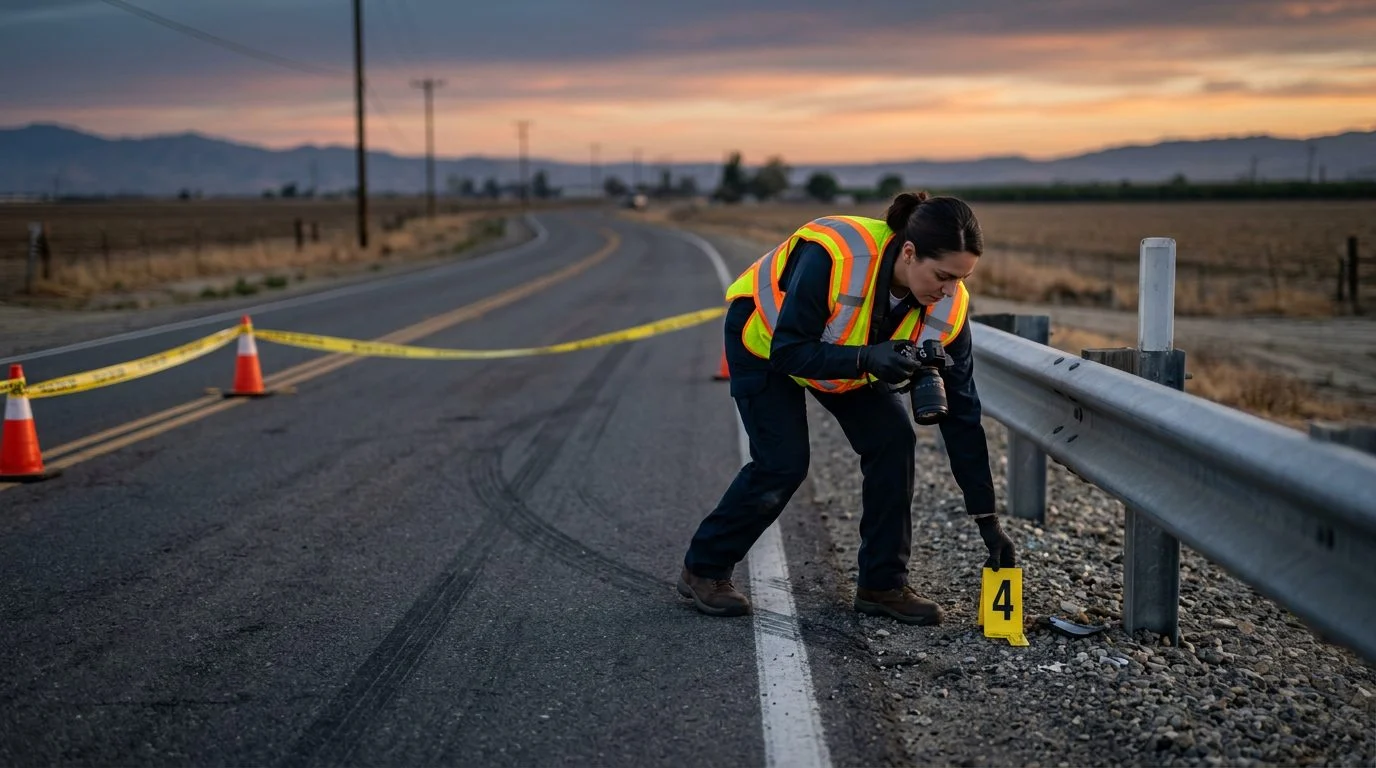
Wrongful Death | Bakersfield, CA
Lost a Loved One in a Hit-and-Run? We Are Here to Help Your Family.
Colvin Accident Lawyers represents families in Bakersfield and throughout Kern County after a fatal hit-and-run. Every case depends on its own facts.
By Donald Norman Colvin · Published November 5, 2026
Can My Family Sue After a Fatal Hit and Run in California?
Can my family sue after a fatal hit and run California? In many cases, yes. California law lets certain surviving family members bring a wrongful death claim when a driver’s conduct causes a death. Who may file, who may be named, and which insurance may pay all depend on the facts of each case. This guide explains the main pieces in plain language. Colvin Accident Lawyers is based in Bakersfield, and this page is written for families in Kern County and across California.
If you're trying to make sense of a crash that took someone you love, you don't have to sort out the claim alone. We're glad to talk it through with your family. Talk it through with our team — the first consultation is free, confidential, and carries no obligation.
Who Is Allowed to Bring a Wrongful Death Claim in California
Close family members are the first group the law names. Under Code Civ. Proc. § 377.60, a surviving spouse, domestic partner, and children may assert a wrongful death claim. If there is no surviving issue, the people who would inherit the decedent’s property may bring it.
Other dependents may also qualify. The statute lists a putative spouse, stepchildren, parents, and legal guardians of the decedent, when the parents have died. These people must have been dependent on the decedent. A domestic partner must have been in a registered domestic partnership when the person died, although for a death occurring prior to January 1, 2002, a person may maintain a cause of action as a domestic partner by establishing the statutory factors listed in paragraphs (1) to (6) of subdivision (b) of Section 297 of the Family Code.
Families also hear the term “personal representative.” This is the person who handles the decedent’s estate. That person must sign an affidavit or declaration under penalty of perjury and attach a certified death certificate, as required by Code Civ. Proc. § 377.32.
Questions change if the person who died was driving. That situation has its own issues, so see our driver fatality page. For the broader framework, see our wrongful death lawyer overview.
Suing When the Driver Fled: Identifying the Defendant
Hit-and-run drivers must stop at the scene. Under Veh. Code § 20001(a), a driver in an accident that injures or kills a person must immediately stop.
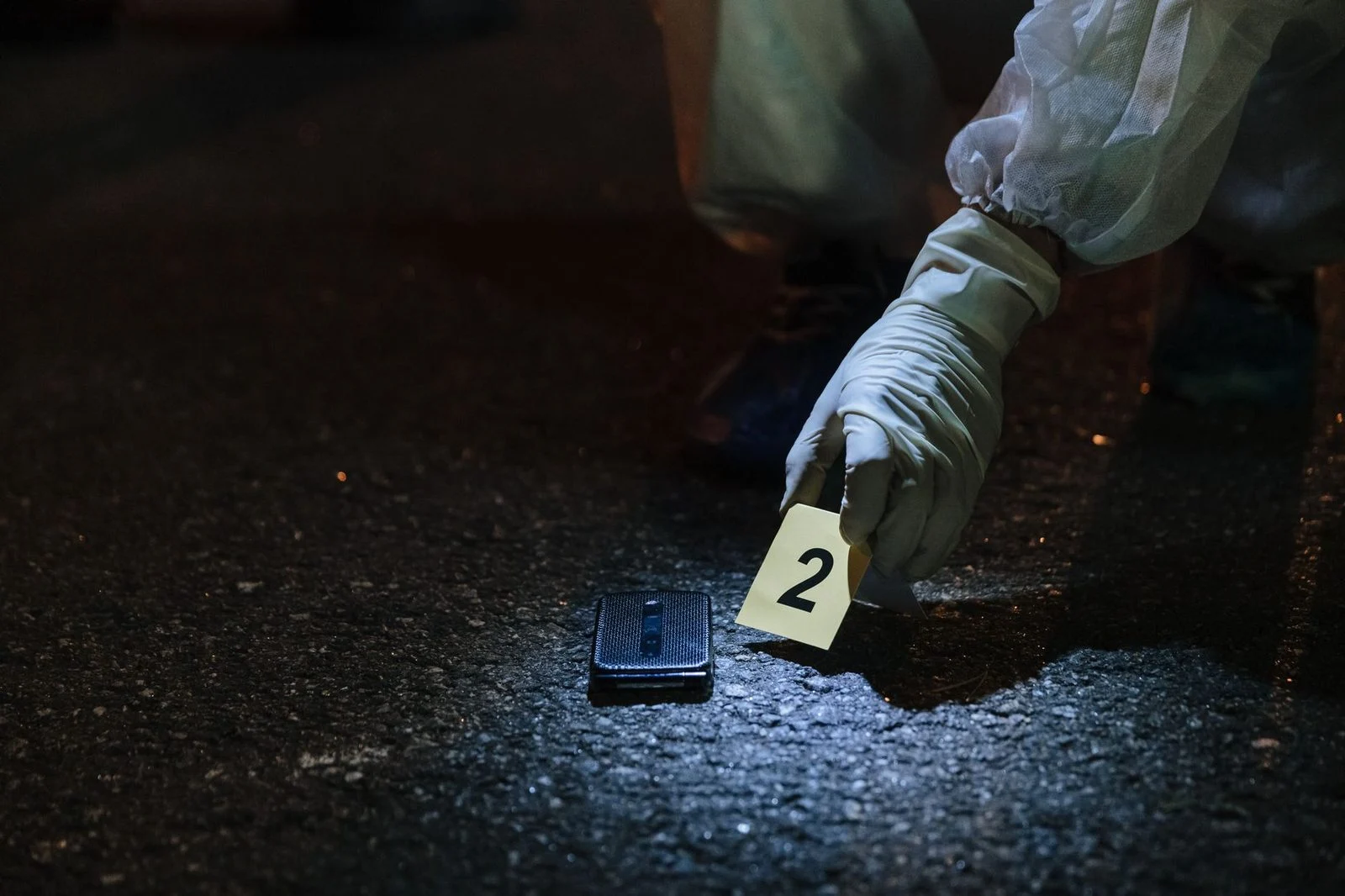
When the driver is unknown, the facts usually come from the crash scene and the investigation. The California Highway Patrol’s traffic page describes the collision and crash-report process. Evidence that often matters includes:
- The police report number and the officer’s contact details
- Names and phone numbers of witnesses
- Vehicle descriptions, paint transfer, and debris left on the road
- Nearby video from homes, businesses, or traffic cameras
Video can be erased or recorded over, so early action matters. Families should write down what they remember while it is fresh. They should also keep copies of every document the police give them.
How Uninsured Motorist Coverage Can Respond
When the driver cannot be found or has no insurance, the family’s own auto policy may be a key source of recovery. Under Ins. Code § 11580.2, bodily injury liability policies for motor vehicles must include uninsured motorist coverage, though the insurer and the applicant may delete it completely or, when a motor vehicle is operated by a natural person or persons designated by name, delete it for those persons. That coverage can insure the insured’s heirs and legal representatives for sums within the policy limits that they are legally entitled to recover for wrongful death from the owner or operator of an uninsured motor vehicle not owned or operated by the insured or a resident of the same household.
The statute also treats an underinsured motor vehicle as an uninsured one for this purpose. Coverage still has limits. The insurer and the named insured may agree in writing to a lower amount, but not below the state’s financial responsibility requirements.
Policy limits can be lower than the total losses a family claims. The policy also sets its own reporting and notice steps. Bring the policy declarations page and any letters from the insurer to your first conversation with a lawyer.
What Damages a Family Can Seek After a Fatal Hit-and-Run
Wrongful death damages and survival damages follow different rules. Under Code Civ. Proc. § 377.34(a), a survival action recovers the loss the decedent sustained before death. That excludes damages for pain, suffering, or disfigurement.
There is a narrow exception. Under § 377.34(b), pain and suffering may be recoverable only for actions granted a preference before January 1, 2022, or filed on or after January 1, 2022, and before January 1, 2026. For a case filed now, that exception does not apply.
Under Code Civ. Proc. § 377.61, damages in a wrongful death action may be awarded that, under all the circumstances of the case, may be just, but may not include damages recoverable under Section 377.34. Families often discuss categories such as lost financial support, household help, and funeral costs. Which categories apply, and how they are proven, turns on the evidence. Useful records include earnings history, household contributions, and medical and funeral bills.
Criminal Charges and the Civil Claim Are Separate
Criminal charges are brought by the state. A civil wrongful death claim is brought by the family. The two cases are separate and can move on different schedules.
The criminal penalties for hit-and-run driving are set out in Veh. Code § 20001(b)(2).
Keep the two tracks in mind so you don’t miss a civil deadline while waiting for news about charges.
Not sure what your next step is?
Talk it through with our team — the first consultation is free, confidential, and carries no obligation.
Deadlines to File a Fatal Hit-and-Run Claim
The general rule is two years to file a lawsuit for a death caused by another person’s wrongful act. Under Code Civ. Proc. § 335.1, an action for the death of an individual caused by another’s wrongful act or neglect has a two-year limit.
Other deadlines can be much shorter. If a city, county, or other public entity may share responsibility, for example because of a road defect, a written claim is required. Under Gov. Code § 911.2(a), a claim for a death must be presented not later than six months after the cause of action accrues.
Suits against public entities have their own timing. Under Gov. Code § 945.6(a), the deadline depends on whether written notice was given and when. Uninsured motorist claims also follow the reporting and notice terms in the policy. Those terms can be shorter than the court deadline. Track every date from the start.
Why Each Fatal Hit-and-Run Claim Turns on Its Own Facts
No lawyer can promise a result in a fatal hit-and-run case. A result in one case does not predict another. Several factors shape how a claim develops, including:
- The decedent’s role in the collision.
- The evidence available, including the police report and witness accounts
- The identity of the driver and whether the driver had insurance
- The insurance limits that apply
- The number and type of eligible heirs
Helpful early documents include the police report, any coroner or medical examiner information, witness contact details, and the family’s insurance declarations.
Quick Answers
Can my family sue after a fatal hit and run California?
In many cases, yes. Certain surviving family members may bring a wrongful death claim under California law.
What is the deadline?
The general rule is two years for a wrongful death lawsuit. Claims against public entities can have a six-month notice deadline.
Can the family’s own insurance help?
It can. Uninsured motorist coverage may respond when the driver is unknown or uninsured.

Talking Through Your Family’s Situation with Colvin Accident Lawyers
If you’re asking this question after a sudden loss, you don’t have to work out the claim on your own. You may be reading this on a family member’s behalf while still trying to understand what happened on the road.
Colvin Accident Lawyers offers a free, confidential first consultation with no obligation to continue. In that conversation, we can talk through who may have a claim, which insurance may apply, and which deadlines may be running. Contact us at colvinaccidentlawyers.com/contact to start that conversation.
Donald Norman Colvin, Colvin Accident Lawyers, Bakersfield, California — responsible for this site.
How We Approach Your Family's Case
Compassionate, Focused Attention
Losing someone in a hit-and-run is devastating. Our team focuses on listening to your family and explaining your questions in plain language.
Careful Review of the Facts
We look closely at the police report, the location, and the evidence that is available, so that every decision rests on the facts of your case.
Advocacy for Your Family
We work to hold the responsible party accountable and to pursue fair compensation for the losses your family has suffered.
Confidential First Consultation
Your first consultation is free, confidential, and carries no obligation to continue. You can ask questions without committing to anything.
Important: Act Early to Protect Evidence
Hit-and-run cases can involve evidence that disappears quickly, such as surveillance video, witness memories, and vehicle damage records. Write down what you remember and keep any photos, police report numbers, and medical records. Then contact us to talk through your options.
Information That Can Help Us Understand Your Case
Police Report Number
If law enforcement responded to the crash, note the agency and report number so we can request a copy.
Witness Contact Details
Names and phone numbers of anyone who saw the collision can be important, even if they did not see the driver.
Photos, Video, and Location Details
Images of the scene, nearby businesses, and the roadway can help document what happened.
Medical and Funeral Records
Hospital records, coroner information, and funeral expenses help us understand the full impact on your family.