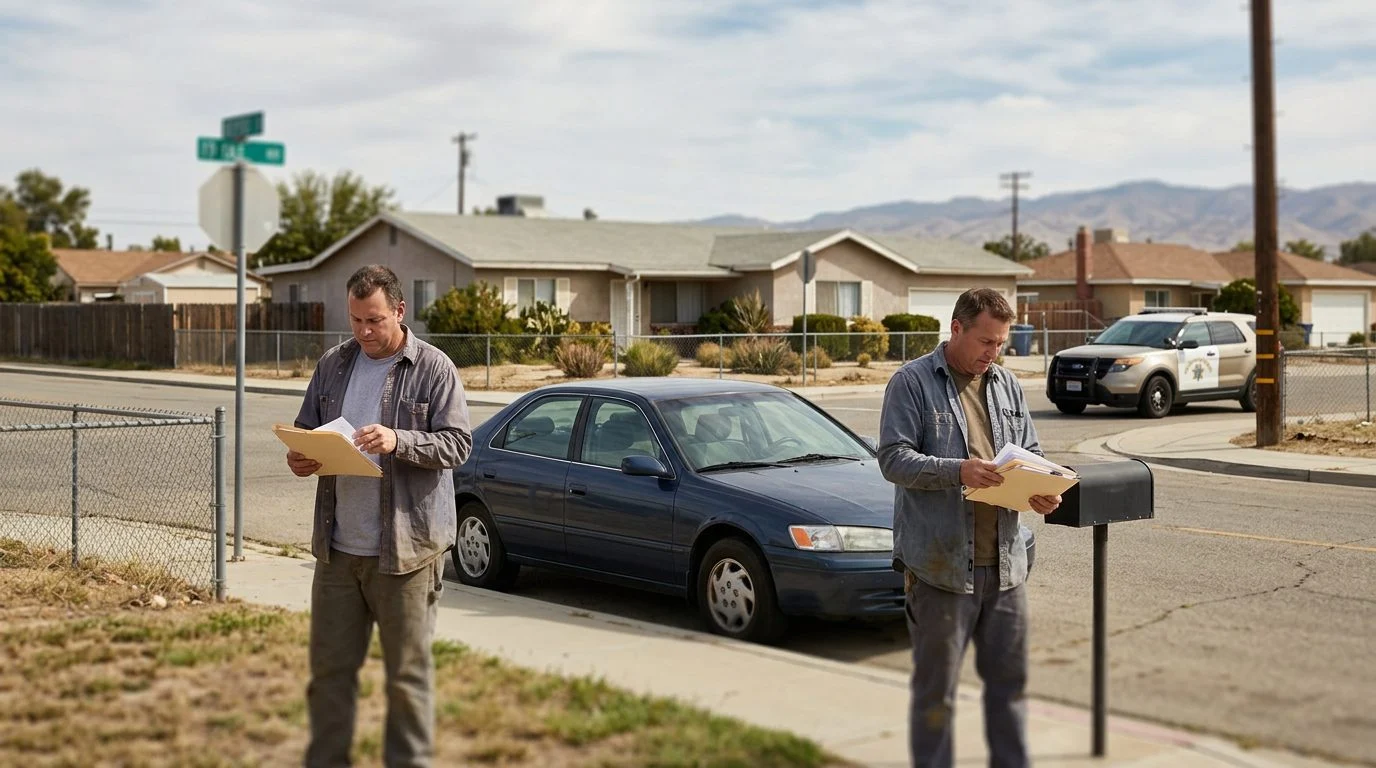
Bakersfield, CA | Fatal Crash Collision Reports
How to Get a Fatal Crash Collision Report in California
After a loss on the road, the paperwork can feel overwhelming. Here is a clear path to the records you need, and how Colvin Accident Lawyers can help you read them.
By Donald Norman Colvin · Published November 18, 2026
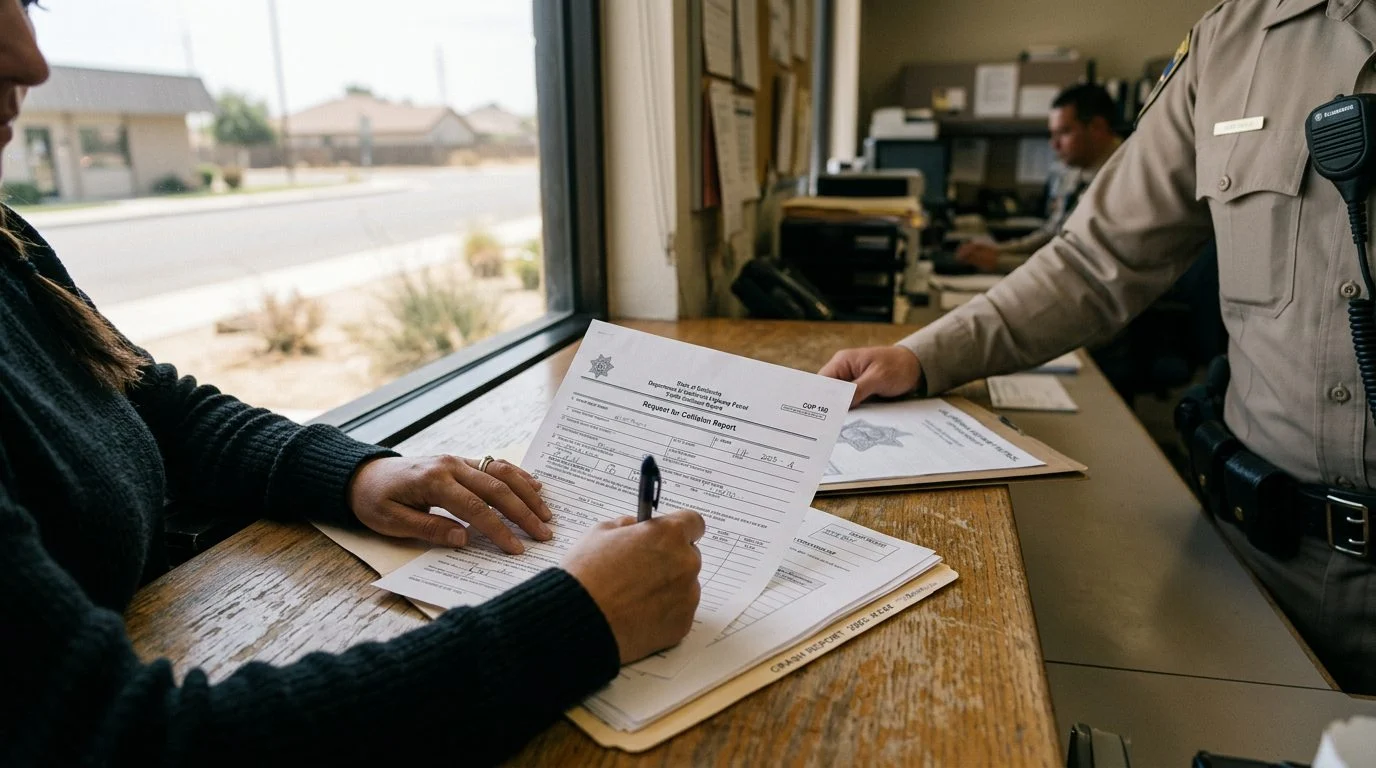
If someone you love died in a crash, the official collision report is often one of the first records you’ll need. To get it, ask the agency that investigated the crash for a copy, using the date, location, and any case number you have.
This page explains which agency to contact, who can ask for a copy, and what the report can and cannot show. It also explains why fatal crash reports sometimes take longer.
What Is the Official Collision Report?
The official collision report is the written record that the investigating law enforcement agency prepares after a crash.
When the California Highway Patrol (CHP) investigates, the driver of a vehicle, other than a common carrier vehicle, involved in an accident resulting in injuries or death must make or cause to be made a written report of the accident to the CHP within 24 hours after the accident. A city police department or county sheriff’s office writes its own report when it handles the investigation.
Each report usually lists the parties and vehicles, describes the scene, and records injury and fatality information. Witness details often appear too.
The family doesn’t write it, and neither does the firm. The investigating agency does.
That separation matters because each record answers a different question. Don’t mix up the official report with the DMV’s SR-1.
Under Vehicle Code § 16000, a driver involved in an accident on a street or highway must report to the DMV within 10 days when a crash causes injury, death, or property damage over $1,000 to any one person, unless the vehicle was owned or leased by, or under the direction of, the United States, this state, another state, or a local agency. The California DMV says the SR-1 is separate from reports made to police, the CHP, or an insurer.
Coroner findings, medical records, and any criminal file are separate records held by other offices.
For the bigger picture, read our guide to wrongful death claims in California.
Not sure what your next step is?
Talk it through with our team — the first consultation is free, confidential, and carries no obligation.
Who Can Request a Collision Report in California?
Who you are in the crash changes what you may need to show. A driver, a passenger, and a family member each have a different connection to the record, and the agency decides how to treat each one.
The agency sets the documents it requires. Reading its current request rules before you submit saves time, since a request missing identification or proof can stall.
The CHP request instructions describe who may request a crash report and how to do it.
How Do You Request the Report From the Investigating Agency?
Start by finding the agency that investigated the crash, then request the report from that agency.
You may not know which agency that is. Under Vehicle Code § 20008, if the agency that receives a crash report isn’t responsible for the investigation, it must immediately forward the report to the agency that is.
Gather the details first: the date, time, and location of the crash, the names of the people involved, any case or report number from the scene, and your own identification.
Write your request to match the crash details exactly, including the date and street location.
Some agencies also list current fees for a copy. Check the fee the agency states before you pay.
Keep a copy of your request, any confirmation number, and every receipt. A short log of dates, names, and what you were told will help if you need to follow up.
Local agencies set their own methods and fees, so ask the agency that holds the report about its current steps.
Why Can Fatal Crash Reports Be Harder to Get?
A fatal crash can take longer to investigate, so the report may not be final when your family first asks for it.
A serious investigation may involve more steps, so the agency may not release a finished file right away.
Ask whether a later or supplemental version exists. A first copy may not be the last word on the crash.
If a criminal case is open, the agency may handle the file differently. Ask how it is treating the file rather than assuming it works like a routine crash.
Two common mistakes make the process harder. One is waiting on the police report while other evidence slips away. The other is assuming the DMV’s SR-1 is the police report. It is not.
Save photos, vehicle details, and witness names as you go. Our guide to evidence to preserve after a fatal crash covers what to keep.
If the first request stalls, follow up in writing and keep records of each contact.
How Does the Collision Report Fit Into a Wrongful Death Claim?
The collision report is one piece of evidence, and it does not decide fault by itself.
The officer’s conclusions, diagram, and statements are weighed alongside photographs, vehicle data, witness statements, and medical and coroner records.
California follows a comparative fault rule, under which an injured person’s recovery may be reduced in proportion to their own share of fault. How that rule applies depends on the facts of each case.
The percentages must total 100 percent.
If the injured person is a Medicare beneficiary, CMS reporting rules may apply to a settlement, and the duty to report it to Medicare generally falls on the liability insurer or other responsible reporting entity, not on the injured beneficiary.
Keep the crash report in the same file as your other records, so each fact can be checked against the rest.
Frequently Asked Questions About Collision Reports
Most of these questions come down to which agency holds the record and when a report is due.
How do I look up an accident report in California?
Request it from the agency that investigated the crash, using the date, location, and any report or case number you have.
How long after an accident does it need to be reported?
Under Vehicle Code § 20008, a driver of a vehicle other than a common carrier vehicle involved in a crash with injury or death generally must make a written report within 24 hours. Under Vehicle Code § 16000, a driver involved in an accident on a street or highway that results in damage to any one person’s property over $1,000, bodily injury, or death must report it to the DMV within 10 days after the accident, on a form approved by the department. No report is required if the vehicle was owned or leased by, or under the direction of, a government entity. If no party reports within one year of the accident, the DMV is not required to file a report and the related license-suspension requirements do not apply.
Can I get my accident report online?
Some agencies offer online requests. The CHP request instructions explain the methods it accepts.
Do I need to file a police report for a car accident in California?
When a crash involves injury or death, a driver of a vehicle other than a common carrier vehicle generally must make a written report under Vehicle Code § 20008. The responding agency then prepares its own official report.
Not sure what your next step is?
Talk it through with our team — the first consultation is free, confidential, and carries no obligation.
Talk Through Your Report Request With Colvin Accident Lawyers
If you’re still waiting on the report after losing someone, Colvin Accident Lawyers offers a free, confidential first conversation about where it stands.
You may not know which office holds the record, or whether the file is complete. You don’t need every document in hand to ask.
La consulta inicial es gratuita, confidencial y sin compromiso de continuar. In English: the initial consultation is free, confidential, and carries no obligation to continue.
Colvin Accident Lawyers is based in Bakersfield, California. The firm can help with the report request as part of that first conversation.
Contact Colvin Accident Lawyers about the crash and the report you’re still waiting on.
Colvin Accident Lawyers, Bakersfield, California — responsible for this site. Responsible attorney: Donald Norman Colvin.
How Colvin Accident Lawyers Can Help
Requesting the Report
We help families identify the investigating agency and gather the details needed to request the collision report.
Supporting Families
We work with the loved ones of people killed in crashes, including those handling wrongful death matters across Kern County and the surrounding communities.
Reviewing What the Report Says
We explain what a collision report contains and how it fits into the rest of your case.
Compassionate Guidance
Our team understands how difficult this time is and treats every family with patience and respect.
Important: A Report Is Not the Whole Story
A collision report records what the investigating agency documented at the scene and afterward. It is one piece of evidence, and it may be incomplete or change as new information comes to light. Do not rely on it alone when deciding what to do next.
Steps to Request a Fatal Crash Report
1. Gather What You Know
Write down the date, time, and location of the crash, along with the names of the parties involved and any report or case number you have.
2. Identify the Investigating Agency
The agency that responded to the crash, such as a city police department, the California Highway Patrol, or a county sheriff, is usually the office that holds the report.
3. Submit Your Request
Ask the agency for the collision report in writing and be ready to provide identifying details. Ask about any fees or verification steps before you submit.
4. Review It With a Lawyer
Once you have the report, bring it to a consultation so the facts can be reviewed alongside medical records, witness information, and other evidence.
Have Questions About a Fatal Crash?
The First Consultation Is Free, Confidential, and Carries No Obligation to Continue.