Motorcycle Wrongful Death | Bakersfield, CA
Lost a Loved One in a Motorcycle Crash? Get Answers About the Helmet Question
Families often ask how a missing helmet affects a wrongful death claim. Colvin Accident Lawyers can review the facts of your family's case with you.
By Donald Norman Colvin · Published November 18, 2026
Losing a rider is painful, and one question often comes first: does the missing helmet end the claim? In California, no rule makes a missing helmet an automatic bar to a wrongful death claim. The helmet matters, but it sits beside fault and cause of death.
Does Not Wearing a Helmet Automatically End a Wrongful Death Claim?
No California rule makes a missing helmet an automatic bar to a wrongful death claim. The real questions are who caused the crash and whether the missing helmet changed the injuries that led to death. The facts answer both questions, and that takes time.
Families often ask this while they are still grieving. The first weeks matter for evidence. Vehicles get moved, scenes change, and witnesses move on. Acting early protects the facts that answer these questions.
If your family lost a rider who was not wearing a helmet, you may still have questions about a claim. We are glad to talk through the facts of your loss with you. Talk it through with our team — the first consultation is free, confidential, and carries no obligation.
What California’s Helmet Requirement Does and Does Not Decide
California law requires a driver and any passenger on a motorcycle, motor-driven cycle, or motorized bicycle to wear a safety helmet that meets the required standards, except for a person operating or riding as a passenger in a fully enclosed three-wheeled motor vehicle that is at least seven feet long, at least four feet wide, weighs 900 pounds or more unladen, and meets the statute’s conditions. Cal. Veh. Code § 27803 makes it unlawful to operate a motorcycle when the driver or a passenger is not wearing one. The rule applies to riding on the highways.
The statute sets a rule for riding. A defendant may point to the missing helmet. The fault question still turns on the crash itself, such as the other driver’s actions, the speed involved, and the visibility at the time.
How Comparative Fault Works in a California Motorcycle Death Case
A rider’s share of fault reduces the recovery. It does not bar the claim. Daly v. General Motors Corp. restates a comparative-fault rule: a plaintiff’s own negligence reduces damages in proportion to fault. That rule is not in Cal. Veh. Code § 27803, which requires a driver and any passenger to wear a safety helmet meeting the required standards when riding on a motorcycle, motor-driven cycle, or motorized bicycle operated on the highways.
Under California’s civil jury instructions on a plaintiff’s comparative fault, when the defense proves the injured person shared responsibility, the jury sets that person’s percentage of responsibility, and the damages award is reduced by that percentage. If the defendant proves the injured person was negligent and that this negligence was a substantial factor in the harm, damages are reduced by that person’s percentage of responsibility.
When more than one person’s negligence contributes, the jury assigns each a percentage. When more than one person shares fault, California’s civil jury instructions on apportioning responsibility direct jurors to give each person listed on the verdict form a percentage of responsibility, and those percentages must total 100 percent. An insurer may argue the rider shared fault. How that argument plays out depends on the facts of each crash.
How Helmet Non-Use Can Enter the Damages and Causation Discussion
Causing a crash and making injuries worse are two separate questions. A defendant may argue that a helmet would have reduced head or neck injuries. Medical records, autopsy findings, and crash reconstruction show how that argument is tested.
A helmet question does not end the claim. A claim can still rest on the defendant’s negligence. Under Cal. Civ. Code § 1431.2, in actions for personal injury, property damage, or wrongful death based on comparative fault, each defendant’s non-economic damages are several only, limited to that defendant’s own percentage of fault.
Damages also differ by claim type. Under Cal. Code Civ. Proc. § 377.34, a survival claim on the decedent’s own cause of action generally does not include pain, suffering, or disfigurement, subject to exceptions the statute lists. The insurance available after a fatal crash also shapes what can be recovered, so those limits belong on the early review list.
Who Can File a Wrongful Death Claim and How Much Time Is Allowed
Under Cal. Code Civ. Proc. § 377.60, the decedent’s surviving spouse, domestic partner, children, and issue of deceased children may bring the claim, or, if there is no surviving issue, the persons who would inherit the decedent’s property by intestate succession. The personal representative may also bring it on their behalf. Under Cal. Code Civ. Proc. § 377.60, persons who were dependent on the decedent may also qualify, including the putative spouse, children of the putative spouse, stepchildren, and parents, and the legal guardians if the parents are deceased. Certain minors who resided for the previous 180 days in the decedent’s household at the time of the decedent’s death and were dependent on the decedent for one-half or more of their support may also qualify.
Cal. Code Civ. Proc. § 335.1 sets a two-year limit for an action for death caused by another’s wrongful act or neglect. Other rules can change timing, so families should not wait to ask questions.
Medi-Cal and Medicare payments can affect the net recovery. Under Welf. & Inst. Code § 14124.70, a lien is the state’s claim to recover the reasonable value of benefits from a beneficiary’s tort claim. CMS guidance on secondary payer rules explains that Medicare conditional payments must be repaid from a settlement or judgment.
Evidence to Preserve and Your Next Step After a Motorcycle Death
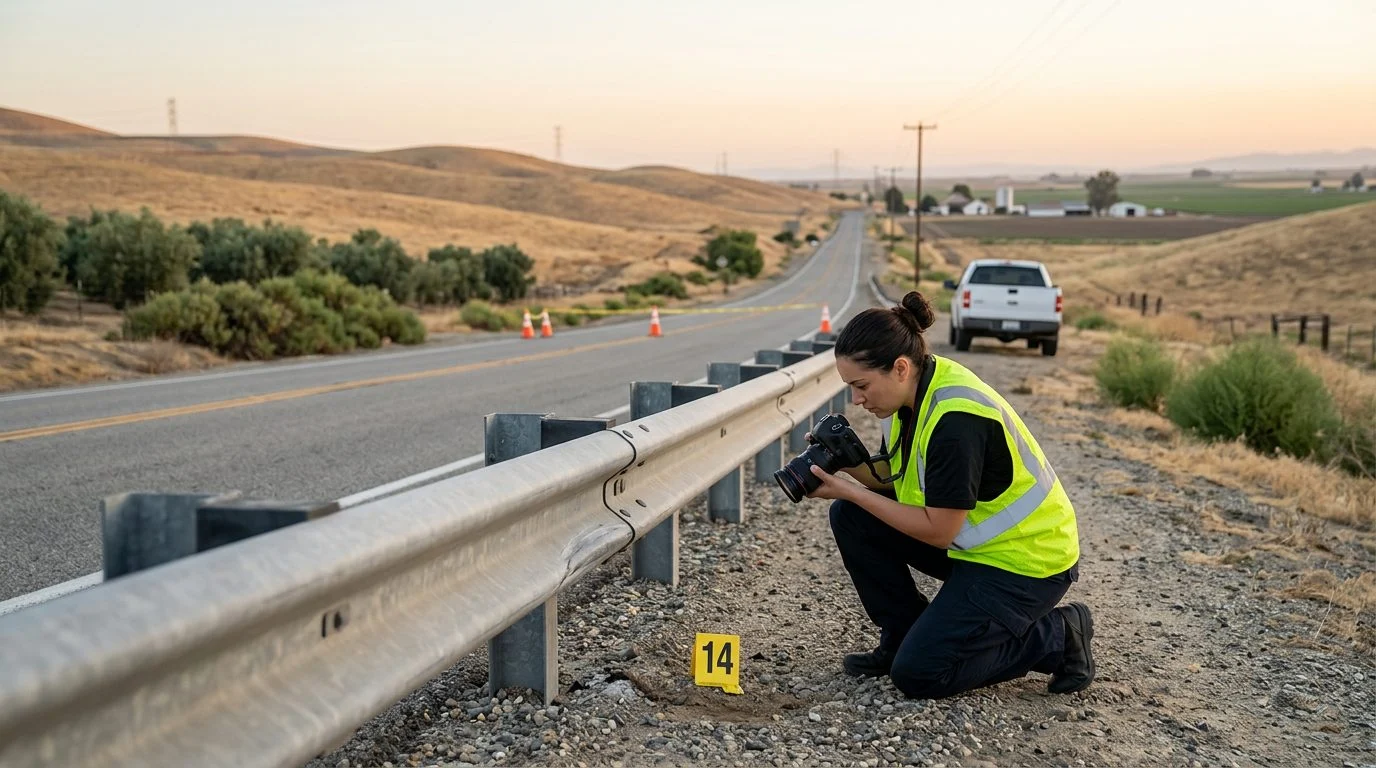
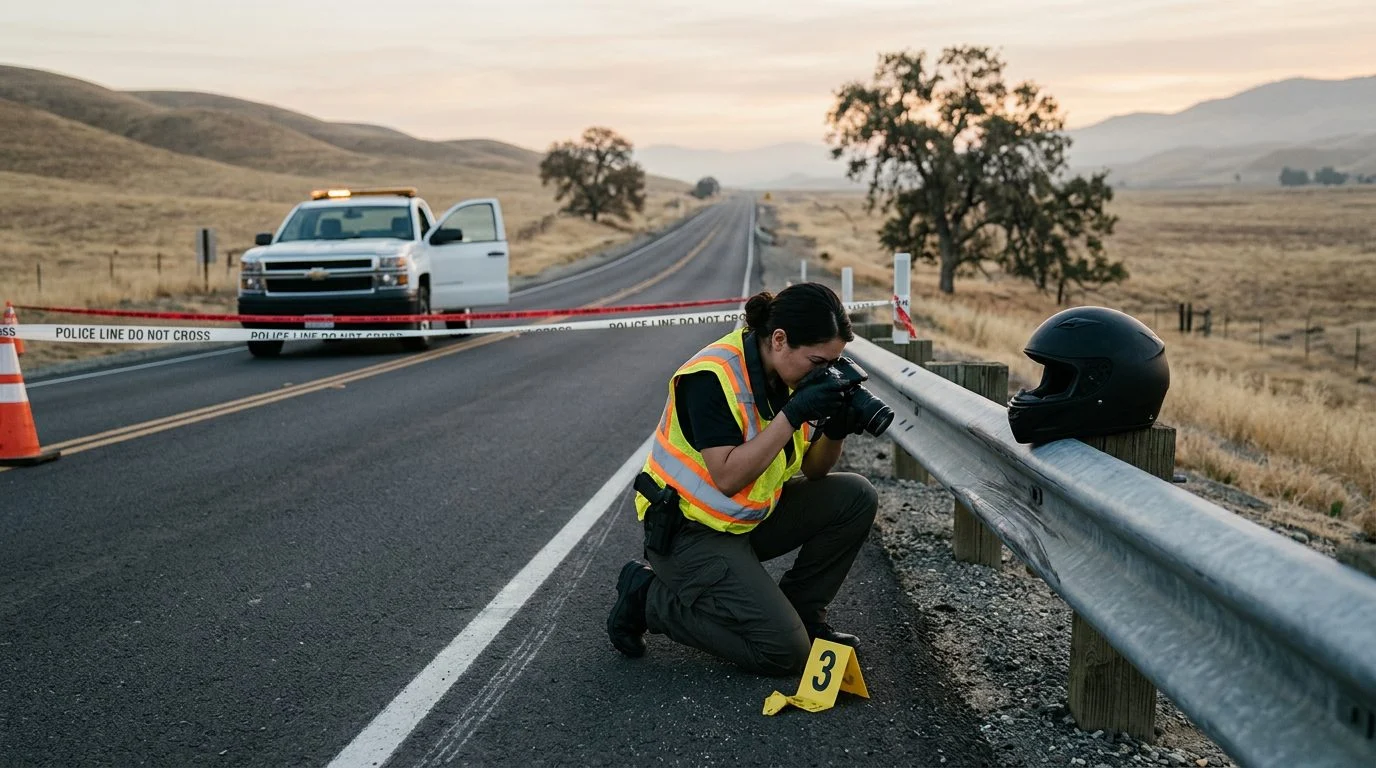
Start with the physical evidence. Keep the helmet, the motorcycle, and any photos of the scene. Gather medical and autopsy records, witness names, and any dashcam or traffic camera footage.
Under Cal. Veh. Code § 20008, the driver of a vehicle other than a common carrier vehicle involved in an accident that causes injury or death must make a written report within 24 hours. Ask the investigating agency for a copy of the crash report in Kern County or wherever the crash occurred.
If your family is weighing whether a claim is still possible after a rider died without a helmet, you do not have to sort out the facts alone. We can talk through what happened and which questions to answer first. Contact Colvin Accident Lawyers to start that conversation.
The initial consultation is free, confidential, and carries no obligation to continue. La consulta inicial es gratuita, confidencial y sin compromiso de continuar.
Colvin Accident Lawyers, Bakersfield, California — responsible for this site.
Not sure what your next step is?
Talk it through with our team — the first consultation is free, confidential, and carries no obligation.
Frequently Asked Questions
Can a family still file a wrongful death claim if the motorcyclist was not wearing a helmet in California?
Yes. Not wearing a helmet does not automatically bar a wrongful death claim, but the other side may argue that the lack of a helmet contributed to the injuries or death. How that argument applies depends on the facts of the crash and the medical evidence.
Does California require motorcyclists to wear helmets?
Yes. California Vehicle Code section 27803(a) requires a driver and any passenger to wear a safety helmet meeting requirements established pursuant to Section 27802 when riding on a motorcycle, motor-driven cycle, or motorized bicycle.
How does California’s comparative fault rule affect a helmet-related wrongful death claim?
California uses pure comparative fault, so any fault assigned to the person who died can reduce the amount recovered but does not automatically bar the claim. Whether a helmet affects that fault split depends on whether the fatal injuries would likely have been different with a helmet, which is a fact question for each case.
How long does a family have to file a wrongful death claim in California?
Generally, a wrongful death lawsuit must be filed within two years of the date of death under California Code of Civil Procedure section 335.1, although exceptions can apply. Contact Colvin Accident Lawyers to review the timing in your family’s situation. The initial consultation is free, confidential, and carries no obligation to continue.
How Our Team Approaches These Cases
Careful review of the crash
We look at police reports, the scene, and the motorcycle's condition to understand how the crash happened and what role, if any, the helmet played.
Attention to the family's losses
A wrongful death claim focuses on the people left behind. We take time to understand the family's losses and questions.
Preparation for the other side's arguments
Insurers and defendants often raise the helmet question. We prepare to address those arguments with the medical and factual evidence.
Support for Kern County and nearby communities
Our team serves families in Bakersfield, Fresno, Visalia, Lancaster, Palmdale, Delano, and Tehachapi.
A Helmet Question Does Not Decide the Case
Whether a missing helmet affects a wrongful death claim depends on the facts of the crash and the medical evidence. Do not assume the outcome before you have spoken with a lawyer about your family's situation.
Questions Families Often Ask
What the other side may argue
Defendants and insurers sometimes claim that a rider without a helmet contributed to the death. How that argument applies depends on the specific crash.
What evidence can matter
Crash reports, witness statements, photographs, and medical records can all help show how the injuries occurred.
Why early action helps
Preserving evidence early, while memories and records are fresh, can make the review of your family's case more complete.
What the first meeting covers
You can share what happened and ask questions. We will explain the possible paths for your family's case and answer your questions.