Wrongful Death | Bakersfield, California
Wrongful Death Cases Take Time. Here Is What Shapes the Pace.
Families facing a sudden loss have many questions at once. Here is a clear look at the stages, so you can plan with more confidence.
By Donald Norman Colvin · Published November 18, 2026
Losing someone in a crash, a fall, or an attack leaves a family with hard questions, and how long the case will take is often one of the first. A California wrongful death lawsuit has no single length. Time limits for filing injury lawsuits are set by California law, and a lawyer can explain how they apply to a specific case. The rest of the case moves through stages, and the pace of each one varies.
The short answer: no single length, but deadlines that start early
No set number of months or years fits every wrongful death case. The timeline has two parts. Some dates are fixed by law and begin running early. The rest is shaped by investigation, insurance talks, court schedules, and whether the case settles or goes to trial. This page walks through each stage and the factors that move it, so you know what to expect.
If you're sorting out dates and steps after losing someone, Colvin Accident Lawyers is glad to talk through your timeline questions, and you don't have to work through them alone. Talk it through with our team — the first consultation is free, confidential, and carries no obligation.

The filing deadline: how California’s statute of limitations starts the clock
A California wrongful death lawsuit generally must be filed within two years, under Code of Civil Procedure § 335.1. A late filing can end the claim, so the calendar matters from the first week.
Public agencies change the timing. If a city, county, state agency, or transit operator may be responsible, a written government claim comes first. Under Government Code § 911.2, a claim for death must be presented not later than six months after the claim arises.
Except as provided in Sections 946.4 and 946.6, no suit for money or damages may be brought against a public entity until its board has acted on the claim or is deemed to have rejected it, under Government Code § 945.4. The § 946.6 exception applies only if an application for leave to present a claim is denied or deemed to be denied under Section 911.6, and then only by court petition. After that, timing follows Government Code § 945.6. If written notice is given under the statute, suit must be filed within six months after that notice is delivered or mailed. Otherwise, the two-year rule applies.
Don’t assume the two-year date covers a public agency case. Those claims can run on shorter clocks, and the statutes include exceptions. Missing a date can cost a family its claim.
The phases of a wrongful death case, from investigation to resolution
A wrongful death case usually moves through investigation, an insurance claim, a filed lawsuit, discovery, and then settlement or trial. Each stage has its own work and its own pace.
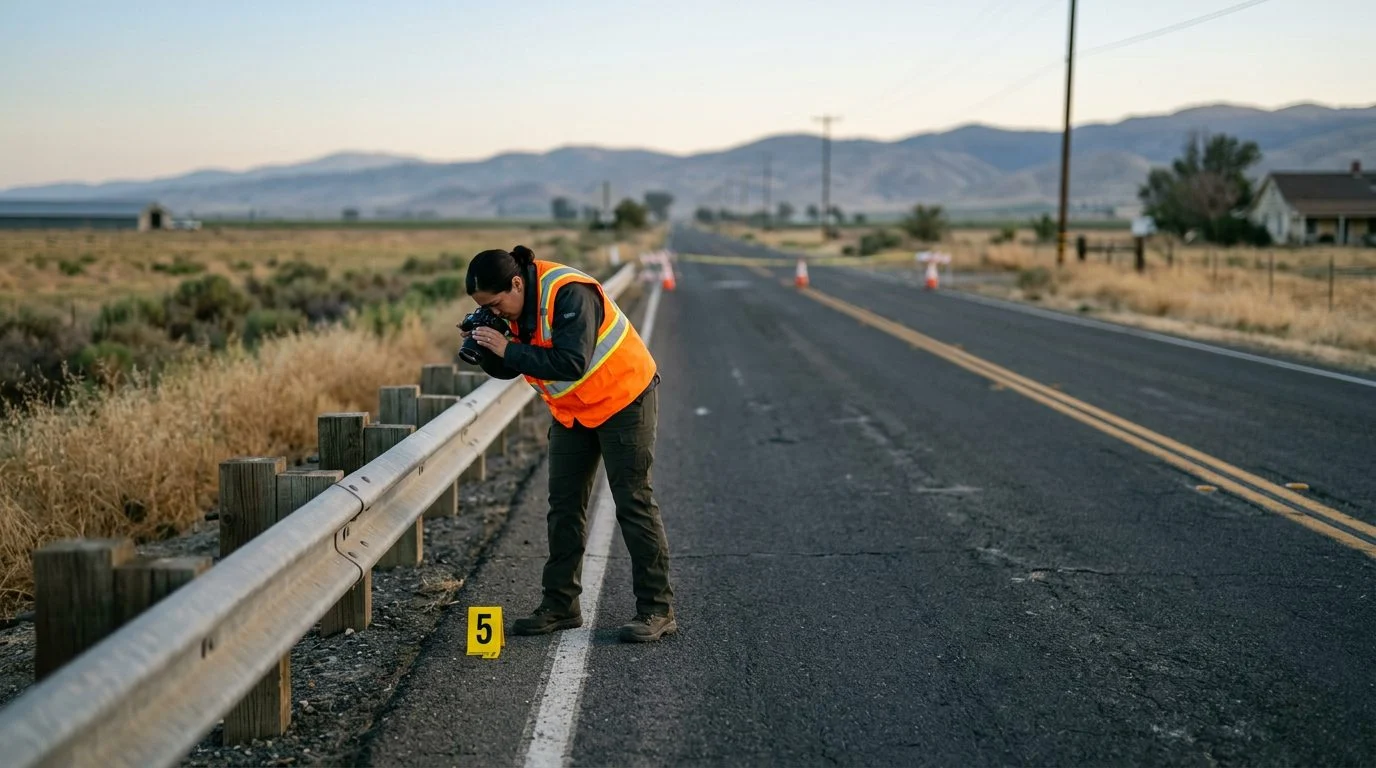
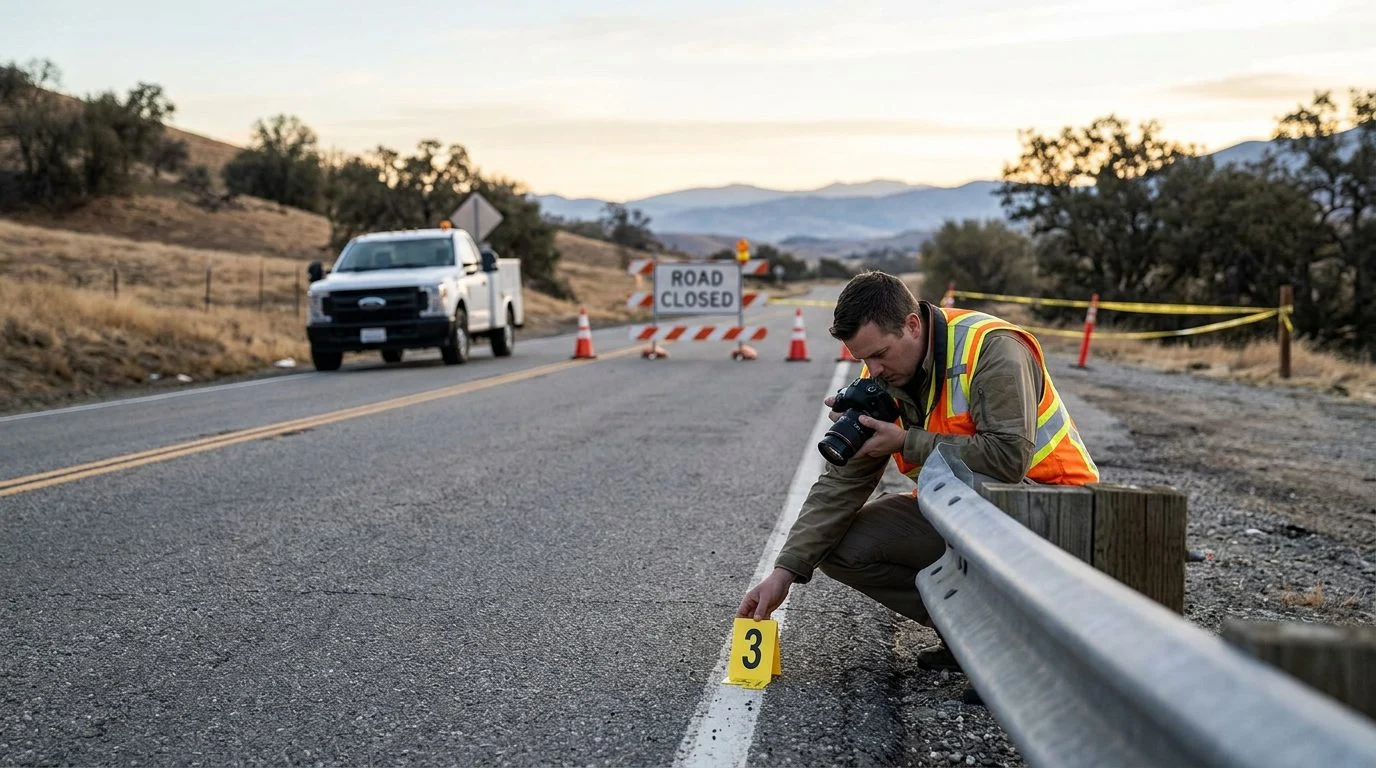
- Investigation and evidence. Crash or incident reports, photos, vehicle or property data, witness contacts, and medical and death records all need to be gathered. Some evidence, such as vehicle data, can be lost over time, so it is protected early.
- Insurance claim. The claim goes to the responsible party’s insurer. The insurer asks for records and responds with its own position.
- Filing and serving. Under Code of Civil Procedure § 377.60, a surviving spouse, domestic partner, children, issue of deceased children, or, if there is no surviving issue of the decedent, the persons entitled to the decedent’s property by intestate succession, or certain dependent persons, may bring the claim. A personal representative may act on their behalf. The complaint is then served on each defendant.
- Discovery. Both sides exchange documents, answer written questions, and take depositions. This stage often takes a large share of the total time.
- Settlement or trial. Many cases resolve through talks or mediation. If a case does not resolve, it goes to trial, and an appeal can follow a verdict.
If the person who died was a Medicare beneficiary, Medicare has to be told about the claim. A pending claim is reported through the CMS attorney services reporting process. Medicare payments made for related care are later repaid from a settlement. CMS explains that a conditional payment must be repaid when a settlement, judgment, award, or other payment is made.
What makes a wrongful death case run longer or shorter
Disputed fault, several defendants, and complex evidence usually add the most time. Each one means more records to gather, more people to hear from, and more steps to coordinate.
Fault is often the biggest factor. California uses comparative fault. If the defendant proves the injured person was also negligent, and that the negligence was a substantial factor in the harm, damages are reduced by that person’s share of responsibility. According to California’s civil jury instruction on a plaintiff’s comparative fault, if the defendant proves the required elements, the plaintiff’s damages are reduced by the percentage of responsibility the jury assigns to the plaintiff, and the judge calculates the actual reduction. The judge calculates the actual reduction, not the attorney.
Several defendants can each need their own investigation. Employers, vehicle owners, property owners, and insurers may all be involved. Complex evidence, such as accident reconstruction or medical and engineering analysis, also takes time to develop. Court calendars and discovery disputes are outside any one party’s control.
Whether a case settles early or heads toward trial sets the path. How long any one case runs depends on the facts, and no one can say in advance which path a particular case will follow.
Settlement and trial: why the two paths take different amounts of time
Some cases settle before trial, and others are tried. A settlement follows its own track. A claim is made, the insurer responds, offers are exchanged, and the family decides whether to accept. A trial follows a longer track. Preparation includes pretrial motions, jury selection, and the trial itself. The court’s calendar decides when a trial date is available.
A settlement does not end every step. Medicare’s formal demand comes later. CMS states that the Benefits Coordination & Recovery Center does not issue a formal recovery demand letter until there is a settlement, judgment, award, or other payment. Families should plan for that step when they look at the full timeline.
Families often weigh both paths. The choice between negotiating and going to trial is made case by case, based on the evidence and the family’s goals. Knowing both tracks helps a family understand where the decision points fall.
Questions to ask about your family’s timeline
Start with a written record. The date of death is the first entry, and the two-year date follows from it. Add the other key dates as they come up.
- Confirm the date of death and mark the two-year filing date.
- Note whether a city, county, state agency, or transit operator is involved. If so, mark the six-month claim date.
- Keep a log of insurer contacts, records requests, bills, and notices.
- Note what evidence needs protecting right away, such as vehicle data, photos, and witness contact information.
- Write down how the case will likely be staged and where the major decisions fall.
Bring this list to Colvin Accident Lawyers so the answers apply to your family’s situation.
Not sure what your next step is?
Talk it through with our team — the first consultation is free, confidential, and carries no obligation.
Where to go from here: related reading and a next step
For a family still sorting this out, the next step is a conversation about your own dates. Colvin Accident Lawyers is based in Bakersfield, California, and serves families in Kern County, Fresno, Visalia, Lancaster, Palmdale, Delano, and Tehachapi. A grieving family does not need to manage a calendar alone. You can contact Colvin Accident Lawyers to talk through your timeline questions.
La consulta inicial es gratuita, confidencial y sin compromiso de continuar. (The first consultation is free, confidential, and carries no obligation to continue.)
For a broader view, see the firm’s wrongful death lawyer page.
How long do you have to file a wrongful death lawsuit in California?
Generally two years, under Code of Civil Procedure § 335.1. Claims against a public agency can require a six-month government claim first.
How long does a wrongful death case take to settle?
There is no set length. The stages, the number of parties, and the evidence all shape the pace.
Can a wrongful death claim be reduced if the injured person was partly at fault?
Yes. Under California’s comparative fault rule, damages are reduced by that person’s share of responsibility, but they are not barred.
The Stages That Shape the Timeline
Investigation
Gathering records, reports, witness accounts, and evidence about how the death occurred often comes first and can take a meaningful amount of time.
Claims and Negotiations
Insurance companies and other parties may need to review the claim. Each round of discussion adds to the overall timeline.
Filing and Litigation
If a lawsuit is filed, pretrial steps such as document exchange, depositions, and motions can extend the schedule.
Resolution
Some cases resolve through settlement, while others proceed toward trial. The path depends on the facts and the parties involved.
How We Support Families
Free First Consultation
The first consultation is free, confidential, and comes with no obligation to continue.
Plain-Language Guidance
We explain each stage of the process in terms you can follow, so you know what to expect.
Serving Kern County and Nearby Communities
We work with families across Kern County, Fresno, Visalia, Lancaster, Palmdale, Delano, and Tehachapi.
Compassion for Your Loss
We understand that a wrongful death case is about more than paperwork. We take the time to listen.
Do Not Wait to Ask Questions
Waiting can affect your options. Speaking with an attorney early helps you understand the steps ahead and what information to preserve.