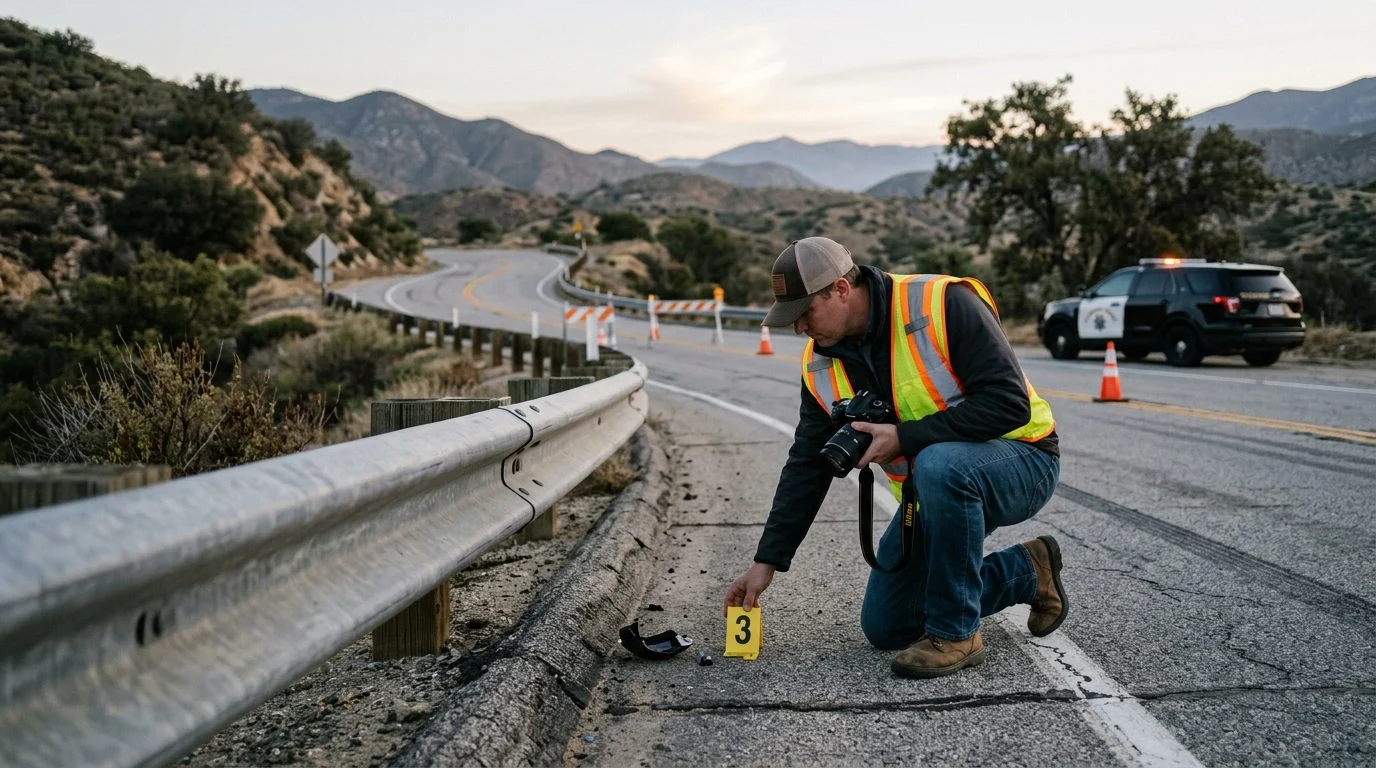
Motorcycle Wrongful Death · Bakersfield, CA
Helmet Questions After a Motorcycle Death? Get Answers from Colvin Accident Lawyers
Families grieving a motorcycle fatality often face difficult questions about the helmet, the insurance company and what happens next. We help you sort through them.
By Donald Norman Colvin · Published November 13, 2026
If a motorcycle rider in your family has died in a crash, you may be asking whether the helmet they wore, or didn’t wear, changes what the family can recover. Here is the short answer.
Helmet use can still matter, though. California’s comparative fault rule and the medical evidence about the cause of death decide how much it matters in a given case. This page walks through each piece.
What California’s Motorcycle Helmet Law Requires
Vehicle Code § 27803 sets that rule. The helmet must meet the requirements in § 27802 and be fastened with its straps, sized to fit the head securely.
It is unlawful to operate a motorcycle when the driver or any passenger is not wearing a required helmet. It is also unlawful to ride as a passenger without one. The rule covers motorcycles operated on the highways. A fully enclosed three-wheeled vehicle that meets the statute’s size, weight, and federal-standard conditions is exempt.
The statute sets a duty to wear a helmet. Who caused a crash, and what the family lost, are separate questions. Other rules answer those questions, and that is where a wrongful death claim does its work.
Not sure what your next step is?
Talk it through with our team — the first consultation is free, confidential, and carries no obligation.
Does Not Wearing a Helmet Automatically Bar a Wrongful Death Claim?
A violation is one fact among many. It is not, by itself, proof that the rider caused the death.
A wrongful death claim rests on a death caused by the wrongful act or neglect of another. Code of Civil Procedure § 377.60 lists who may bring that claim. The claim still has to show that someone’s negligence caused the death. The helmet is one piece of that picture, next to the crash facts and the medical findings.
Evidence Code § 669 can also matter. It creates a presumption that a person who violated a statute, ordinance, or regulation of a public entity failed to use due care, but only when specific conditions are met. The presumption can be rebutted. A helmet violation can start a legal argument. It does not end the question.
Our wrongful death lawyer practice area covers how these claims are brought.
How California Comparative Fault Applies to a Rider Who Was Not Wearing a Helmet
Here is a simple, hypothetical example. Suppose a jury totals the losses and assigns the rider 20 percent of the fault. The award would be reduced by 20 percent. Real cases turn on many details, and how the reduction works in a death case depends on the facts.
Fault for the crash and the effect of a helmet on injuries are separate questions. A jury could find the other driver mostly at fault for the crash. The helmet can still matter to which injuries caused the death. Each question needs its own evidence, so families should not let one answer decide the other.
How Helmet Use Can Come Up in the Causation Debate
Defense lawyers and insurers may argue that a helmet would have prevented or lessened the head injury that caused the death. That argument is a medical question as much as a legal one.
The sources that answer it are the coroner or medical examiner’s findings, the autopsy report, and the treating records. These records describe the cause and mechanism of death. They show which injuries were fatal, how they happened, and whether other injuries were present.
A common mistake is assuming a helmet always changes the outcome. Whether a helmet could have changed a particular injury is a question for the medical evidence, not a rule for every crash. A helmet argument may be strong in one case and weak in another, because results differ with different facts.
That is why the medical file deserves careful reading before anyone draws a conclusion about helmet use.
Who Can Bring a Wrongful Death Claim in California
Certain family members can bring a wrongful death claim, and the decedent’s personal representative may file it on their behalf. Code of Civil Procedure § 377.60 names the surviving spouse or domestic partner and the children. If there is no surviving issue, it names the people who would inherit the decedent’s property. Dependent family members can also qualify, including certain stepchildren, parents, and minors who lived in the decedent’s household for the prior 180 days and were dependent on the decedent for one-half or more of their support.
A survival claim is a different action. Code of Civil Procedure § 377.30 says a cause of action that survives the death passes to the decedent’s successor in interest. A personal representative, or a successor in interest if there is none, may bring it. This claim is the decedent’s own cause of action, which survives the death and passes to the successor in interest.
Code of Civil Procedure § 377.30 says a cause of action that survives the death passes to the decedent’s successor in interest; the two-year period for a death caused by another’s wrongful act is set by a different section, § 335.1. Code of Civil Procedure § 335.1 sets that two-year period. Waiting can cost the family time to gather records and evidence, so it helps to start early.
What a Wrongful Death Claim Can Recover
A wrongful death claim covers two kinds of loss, and the rules for each differ. Civil Code § 1431.2 defines economic damages as objectively verifiable monetary losses, including medical expenses, loss of earnings, and burial costs. It defines non-economic damages as subjective losses, including loss of society and companionship.
When more than one party shares fault, the statute makes each defendant liable for non-economic damages only in direct proportion to its own percentage of fault. That is why the number of at-fault parties matters for the non-economic part of a claim.
Survival damages follow narrower rules. Code of Civil Procedure § 377.34 limits them to loss the decedent sustained before death. It says they do not include pain, suffering, or disfigurement, unless the action was granted a trial preference before January 1, 2022, or was filed on or after January 1, 2022, and before January 1, 2026. Families should not assume pain and suffering is available in every survival claim.
Insurance also shapes what a claim can collect. Vehicle Code § 16056 sets minimum liability limits for policies issued or renewed on or after January 1, 2025: $30,000 for one person’s bodily injury or death, $60,000 for two or more people, and $15,000 for property damage. A policy may carry higher limits, so the actual coverage matters.
Not sure what your next step is?
Talk it through with our team — the first consultation is free, confidential, and carries no obligation.
How Insurance Adjusters Use Helmet Rules in Their Evaluation
An insurance adjuster may raise helmet use early and use it to argue for a lower share of fault. The helmet point is one piece of the evaluation, not the whole of it.
An early offer may not reflect the full losses. Medical findings and causation evidence can still be developing when the first offer arrives. A family can take time to understand what the file shows before responding.
Ask what evidence each position relies on. The crash report, witness accounts, the rider’s own conduct, and the medical record all feed into the adjuster’s view, and each one can be checked. Keep a written record of every call and letter, with dates and names.
Evidence That Shapes the Helmet Question
The evidence that matters most is the crash report, the medical records, and the medical examiner’s findings. Each one answers a different part of the helmet question.
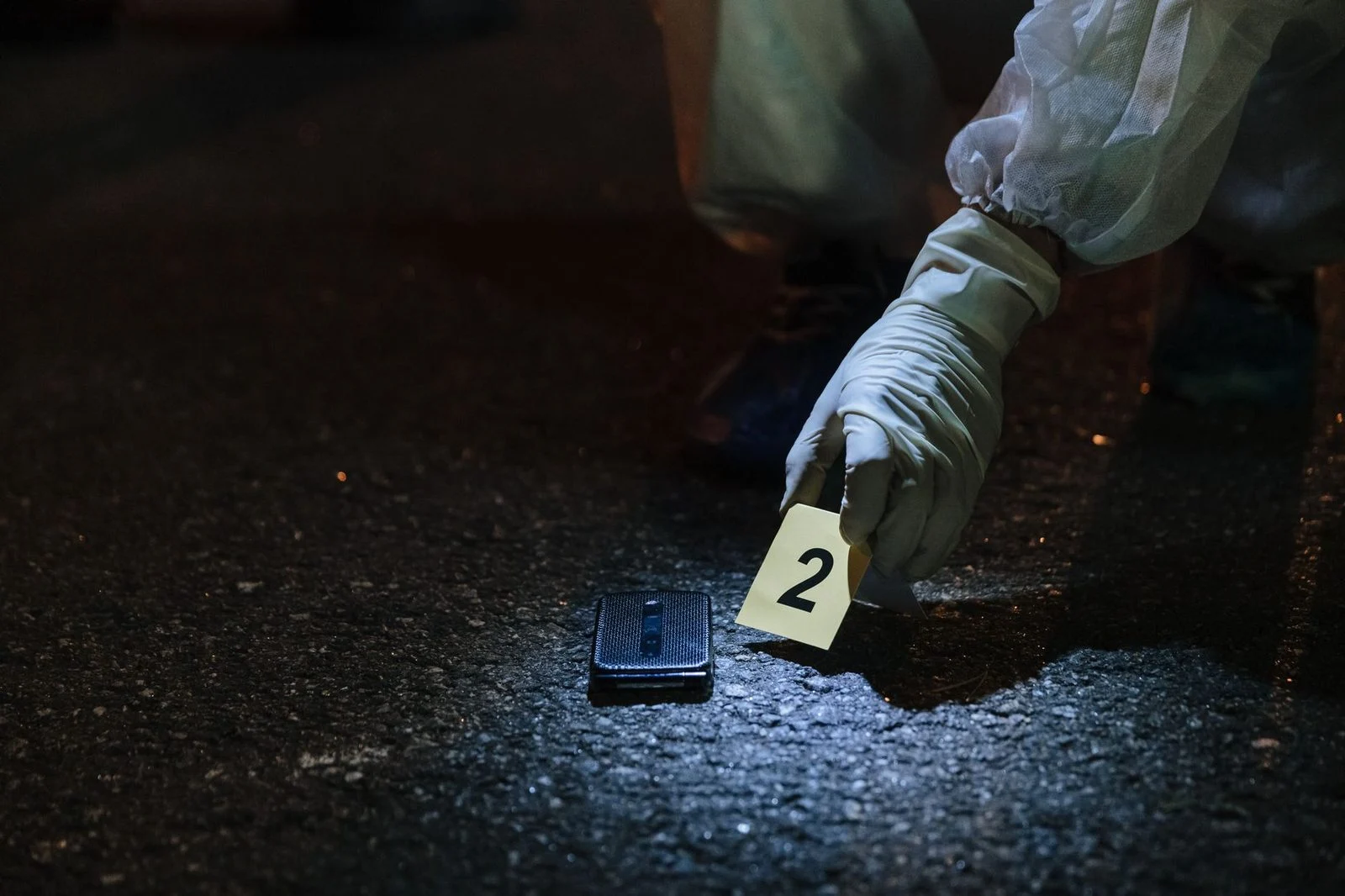
The police report records the helmet status observed at the scene, the crash description, and the parties involved. Witness statements, scene photographs, vehicle damage, and any dashcam or surveillance footage can show how the crash unfolded.
Keep the helmet and the motorcycle in their current condition if you can. A damaged helmet may show where it made contact, but someone qualified should read it. Ask that the bike not be repaired or sold before its evidence has been reviewed.
Medical records and the autopsy report are central. They show the injuries that caused death and whether a helmet could have affected them. Gathering them early gives a fuller picture of the case.
Is a Motorcycle Wrongful Death Claim Worth Pursuing If the Rider Was Not Wearing a Helmet?
A helmet violation alone does not settle whether a claim is worth pursuing. Fault allocation, the medical evidence, the available insurance, and the survivors’ losses all shape that decision.
Weigh each piece on its own. A helmet violation may support a presumption under Evidence Code § 669, but that presumption can be rebutted. Policy limits may cap what one policy pays. Each point has to be checked against the actual file.
Treat a helmet violation as one question, not a verdict. A family that understands the evidence is better placed to decide its next steps.
Frequently asked questions
Does California have a helmet law for motorcycles?
Yes. Vehicle Code § 27803 requires a driver and any passenger to wear a helmet that meets the requirements in § 27802.
How long do I have to file?
California generally allows two years under Code of Civil Procedure § 335.1 for a death caused by another’s wrongful act.
Talk With Colvin Accident Lawyers About Your Family’s Situation
If a helmet question is on your mind while you grieve a loss you didn’t choose, you’re carrying a lot at once. Insurance calls, paperwork, and deadlines can pile up at the same time.
Colvin Accident Lawyers, based in Bakersfield, can talk with you about the crash, the helmet question, and the options your family may have. The first consultation is free, confidential, and carries no obligation to continue.
When you’re ready, contact Colvin Accident Lawyers to start that conversation.
Colvin Accident Lawyers, Bakersfield, California — responsible for this site.
How Our Firm Approaches These Cases
Focused on Families
We represent the surviving family members and heirs of riders who died in motorcycle crashes, and we keep their questions at the center of every step.
Careful Review of the Facts
Helmet use, the crash scene, vehicle damage and medical records are all reviewed together so that the full picture is considered before any decisions are made.
Confidential First Conversation
Your initial consultation is free, confidential and carries no obligation to continue. You can ask questions and decide what makes sense for your family.
Speak With a Lawyer Before Giving a Statement
Insurance adjusters often ask about helmets and the rider's conduct early on. Avoid recorded statements or written explanations until you have talked with an attorney about the facts.
Steps Families Can Take Now
Keep the Helmet and Gear
Do not clean, repair or discard the helmet, clothing or motorcycle. These items may be important evidence in the investigation.
Write Down What You Remember
Record dates, names of people who responded, and any details about the crash or the days that followed while your memory is fresh.
Gather Official Records
Keep copies of police reports, medical and coroner documents, and insurance correspondence so they are available for a review of the case.