What Do You Need for a Wrongful Death Lawsuit in California?
By Donald Norman Colvin · Published November 23, 2026
If someone you love died because another person was careless, you may be asking what you need for a wrongful death lawsuit. In California, the short answer has three parts. An eligible person must bring the claim, the death must have been caused by another’s wrongful act or neglect, and the case must be filed on time.
Each part has details that matter. This page walks through them in plain terms. Colvin Accident Lawyers is based in Bakersfield and represents accident victims and families in Kern County.
What a wrongful death lawsuit is in California
A wrongful death lawsuit is a claim that a death was caused by another party’s wrongful act or neglect. Under Code Civ. Proc. § 377.30, a cause of action that survives the death passes to the decedent’s successor in interest, and an action may be commenced by the decedent’s personal representative or, if none, by the decedent’s successor in interest. Section 377.60 provides that a cause of action for the death of a person caused by the wrongful act or neglect of another may be asserted by the persons listed in that section.
Section 377.60 covers a cause of action for the death of a person caused by the wrongful act or neglect of another, which is a separate claim from the survival claim. The persons the section lists may bring it themselves, or the decedent’s personal representative may bring it on their behalf.
Code Civ. Proc. § 377.62 allows an action under Section 377.30 to be joined with an action under Section 377.60 arising out of the same wrongful act or neglect. Our firm handles wrongful death cases alongside car, truck, motorcycle, bicycle, pedestrian, bus, dog bite, premises liability, and catastrophic injury matters. For an overview, read our wrongful death practice page.
If your family is working through these questions while grieving, you don’t have to sort out the rules alone. Talk it through with our team — the first consultation is free, confidential, and carries no obligation.
Who is allowed to bring the claim
Under Code Civ. Proc. § 377.60, the decedent’s surviving spouse, domestic partner, and children may bring the claim. Issue of deceased children may also qualify. If there is no surviving issue, the people who would inherit the decedent’s property under the law may bring it.
The statute also reaches some people who depended on the decedent. These include a putative spouse, meaning the surviving spouse of a void or voidable marriage who is found by the court to have believed in good faith that the marriage to the decedent was valid. Stepchildren and parents may qualify too. If the parents of the decedent would be entitled to bring an action under subdivision (a) and the parents are deceased, then the legal guardians of the decedent, if any, may bring the action as if they were the decedent’s parents.
A minor can qualify if they lived in the decedent’s household for the previous 180 days. They also must have relied on the decedent for one-half or more of their support.
The claim may also be brought by the personal representative on the family’s behalf. A personal representative is the person appointed to handle the estate, often through probate. Family members do not have to be the personal representative to be eligible. Still, someone must usually act for the estate.
When more than one person is eligible, the court decides how any award is divided. Code Civ. Proc. § 377.61 gives the court that role.
What must be proven: wrongful act, causation, and liability
The family must show that another person’s wrongful act or neglect caused the death. In plain terms, the question is whether that person failed to use ordinary care, and whether that failure caused the death. Cal. Civ. Code § 1714 reads: “(a) Everyone is responsible, not only for the result of his or her willful acts, but also for an injury occasioned to another by his or her want of ordinary care or skill in the management of his or her property or person, except so far as the latter has, willfully or by want of ordinary care, brought the injury upon himself or herself.”
These basic questions apply across our case types. In a car, truck, motorcycle, bicycle, pedestrian, or bus crash, the question is often whether a driver or operator acted with reasonable care. Premises cases focus on what the property owner did or failed to do.
Premises claims follow specific elements. The CACI premises liability instruction (2026 ed.) lists these elements: 1. That [name of defendant] [owned/leased/occupied/controlled] the property; 2. That [name of defendant] was negligent in the use or maintenance of the property; 3. That [name of plaintiff] was harmed; and 4. That [name of defendant]’s negligence was a substantial factor in causing [name of plaintiff]’s harm. It also asks whether the defendant was negligent in its use or maintenance, and whether that negligence was a substantial factor in the harm.
Dog bite claims follow their own elements. It asks whether the defendant owned the dog and whether the bite happened in a public place or while the person was lawfully on private property.
What if the person who died was partly at fault? California uses comparative negligence. If [name of defendant] proves the above, [name of plaintiff]’s damages are reduced by your determination of the percentage of [name of plaintiff]’s responsibility. The jury, not the lawyer, assigns the percentage of responsibility, and the damages are then reduced by that share. (CACI comparative fault instruction (2026 ed.)) CACI apportionment instruction (2026 ed.): you must then decide how much responsibility each has by assigning percentages of responsibility to each person listed on the verdict form. The percentages must total 100 percent.
Which of these points is disputed depends on the facts of the death. Two cases can look alike and still turn on different proof.
What damages can be claimed
The estate and the survivors recover different kinds of losses, and different rules apply. For the survival claim, Code Civ. Proc. § 377.34 limits recovery to losses the decedent sustained or incurred before death. Those damages generally do not include pain, suffering, or disfigurement.
The same section has narrow exceptions in its subdivision (b). Those apply only to certain cases: those granted a preference under Section 36 before January 1, 2022, or filed on or after January 1, 2022 and before January 1, 2026, so they need a close look.
The survivors’ wrongful death damages follow Code Civ. Proc. § 377.61. That section allows damages that, under all the circumstances, may be just. It also says those damages may not include the damages recoverable under section 377.34.
Families often focus on the decedent’s income and the support the decedent provided. Earnings records help show that loss. The value of any claim turns on its own facts, so no general figure applies.
Deadlines and required notices
For most California wrongful death claims, the general deadline is two years. Code Civ. Proc. § 335.1 sets a two-year period for actions for the death of an individual caused by another’s wrongful act or neglect. Other rules can apply to some claims.
Claims against a public entity follow a different track. A city, county, or other government agency is one example. Gov. Code § 911.2 requires a claim relating to a death to be presented within six months after the cause of action accrues.
Lawsuits must wait for that step. Except as provided in Gov. Code § 946.4 and § 946.6 , Gov. Code § 945.4 bars suit for money or damages against a public entity until a written claim has been presented and acted on, or deemed rejected.
Deadlines run from specific dates. A late filing can end a claim. That makes early date-checking important, and the six-month period is much shorter than the two-year period.
Evidence and records the claim usually depends on
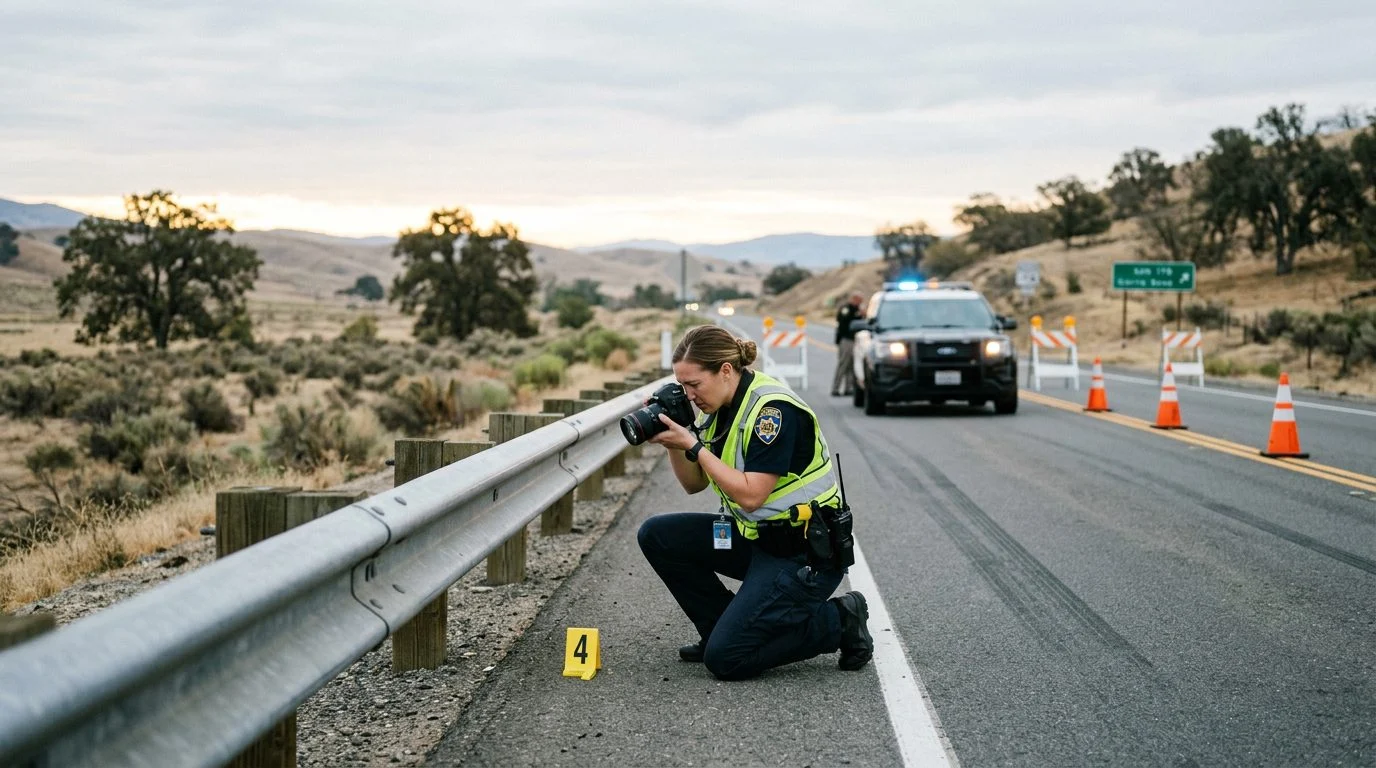
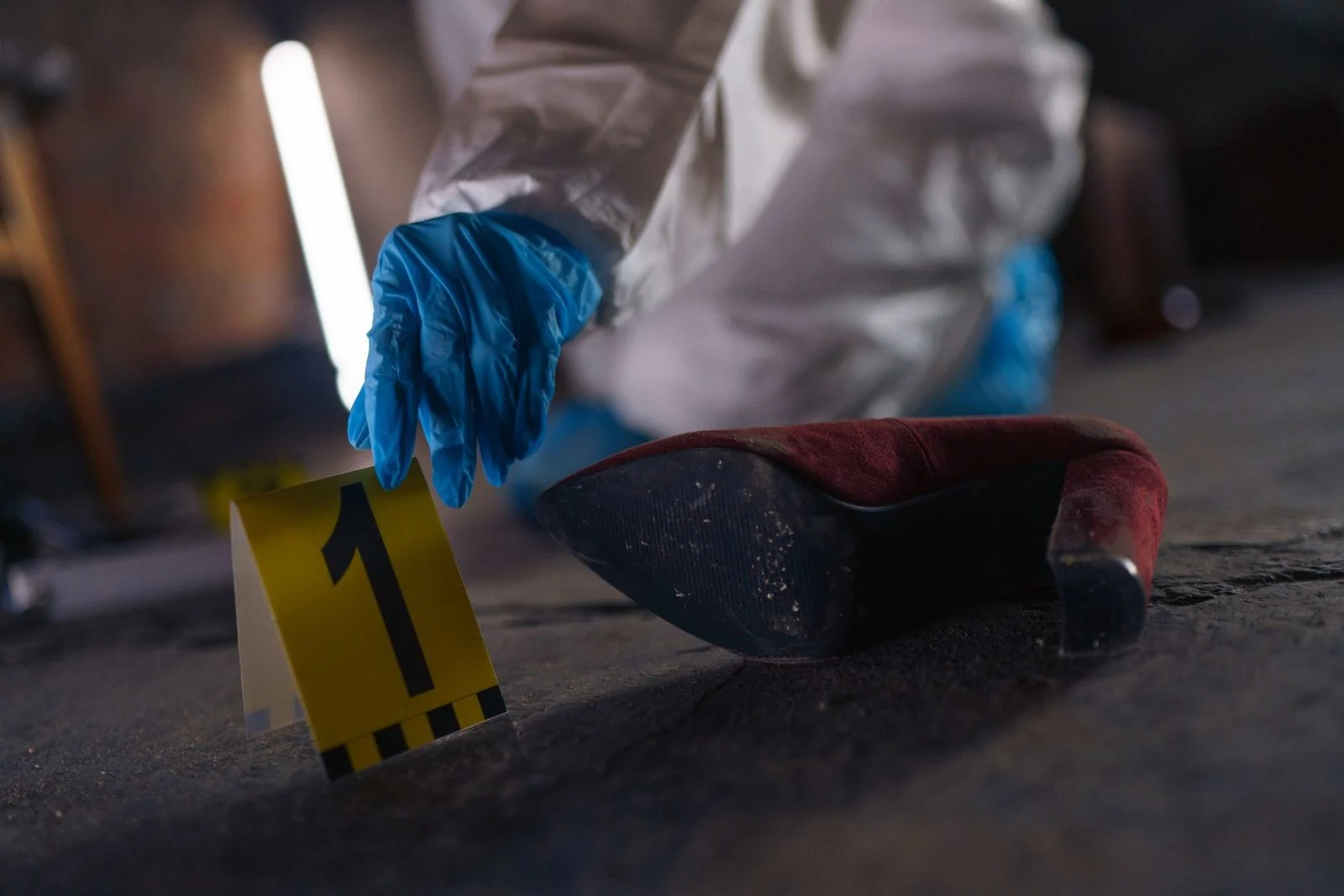
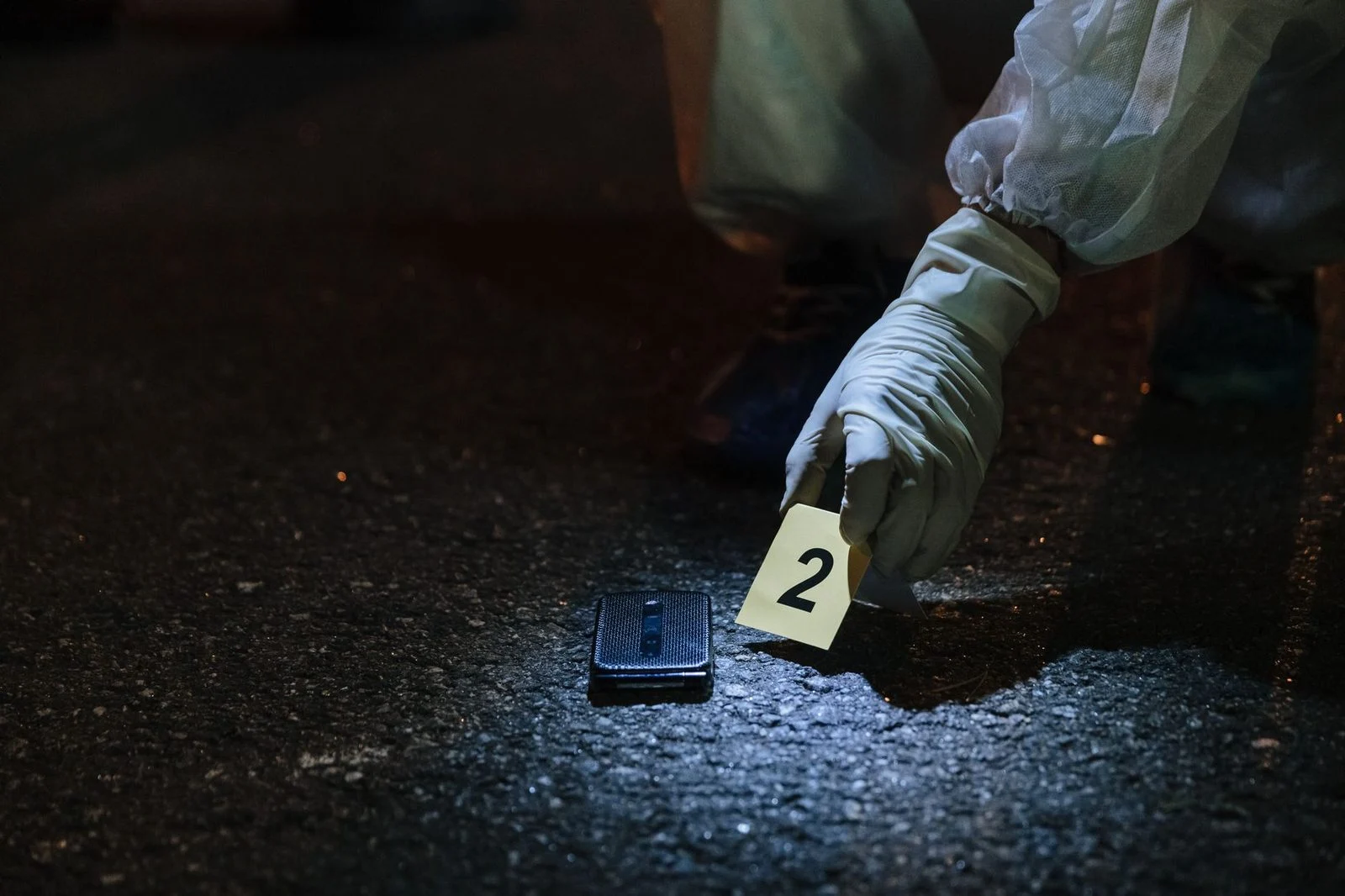
A wrongful death claim usually rests on records that show how the death happened and what the family lost. The most common categories include:
- Police or incident reports
- Photographs and video
- Witness statements
- Vehicle or equipment data
- Medical, coroner, or autopsy records
- Employment and earnings records
Technical and medical questions often need outside professionals to review the evidence and explain causation. Insurance records and estate paperwork also matter. Some records must be requested through official channels, which takes time.
If the person who died had Medicare, reporting matters.
Preserve evidence early. Video can be overwritten, and vehicle data can be lost over time.
Not sure what your next step is?
Talk it through with our team — the first consultation is free, confidential, and carries no obligation.
Who pays a wrongful death settlement or judgment
In many cases, the at-fault party’s liability insurance pays a settlement or judgment on that party’s behalf. The insurer’s role depends on the policy and the facts of the death.
Claims against that entity still need the notice steps described above.
Medicare may have paid some of the medical bills first. CMS explains that such a conditional payment must be repaid when a settlement, judgment, award, or other payment is made. Federal law takes precedence over state laws and private contracts.
Insurance adjusters may ask families for recorded statements soon after a death. Think through any request before agreeing to it.
Next steps for a family facing this decision
The next step is to confirm who may bring the claim, who may be responsible, and which deadlines apply. Many families are gathering records, handling grief, and deciding whether to pursue a claim all at once. That load can feel heavy.
Use this checklist to organize the work:
- Confirm which family members or the personal representative are eligible to bring the claim.
- Identify each party whose wrongful act or neglect may have caused the death.
- Note the two-year deadline, and the six-month claim period if a public entity is involved.
- Gather and organize reports, photos, medical records, and insurance paperwork.
- Note whether Medicare paid any bills, since its reporting and repayment rules apply.
Frequently asked questions
Who can file a wrongful death lawsuit in California?
Surviving spouses, domestic partners, children, and, if there is no surviving issue, the persons entitled to the decedent’s property by intestate succession can file. Certain dependents can also file, including a putative spouse, stepchildren, parents, legal guardians of a decedent whose parents are deceased, and minors who meet the statutory conditions. The personal representative may also file on their behalf. The personal representative may also file on their behalf.
How long do I have to file?
For actions for assault, battery, or injury to, or death of, an individual caused by another’s wrongful act or neglect, the deadline is two years (Code Civ. Proc. § 335.1). Claims against a public entity need a written claim first, within six months.
Can damages be reduced if the person who died was partly at fault?
Yes. California reduces damages by that person’s share of fault instead of barring the claim.
Who pays a wrongful death settlement?
In many cases, the at-fault party’s liability insurer pays. A public entity pays when it is the responsible party.
Donald Norman Colvin is the responsible lawyer for this page. If your family is working through these questions while grieving, you don’t have to sort out the rules alone. Colvin Accident Lawyers can talk through your situation with you, and you can request a free consultation. The first consultation is free, confidential, and carries no obligation to continue.
How Colvin Accident Lawyers Can Help
Free, confidential first consultation
The initial consultation is free, confidential, and comes with no obligation to continue.
Focused on accident cases
Our practice focuses on accident-related claims, including wrongful death cases arising from car, truck, motorcycle, bicycle, pedestrian, and bus accidents.
Compassionate guidance for families
Families often face grief and practical decisions at the same time. We take the time to explain each step in plain language.
Organized case preparation
We help gather and review the records and information needed to understand your family’s situation.
Serving communities across the Central Valley and Antelope Valley
We represent families from Kern County, Fresno, Visalia, Lancaster, Palmdale, Delano, and Tehachapi.
Start Keeping Records Now
Save medical bills, funeral receipts, police and crash reports, photographs, and any letters from insurance companies. Organized records make your first conversation with us more productive.
Key Items for a Wrongful Death Claim
Proof of death
A certified death certificate and basic details about the decedent and the family members involved.
Information about the family
Details about surviving relatives, dependents, and any prior family relationships, which help identify who may bring the claim.
Evidence of the incident
Crash or incident reports, witness contact information, photographs, video, and any records about the cause of the accident.
Records of losses
Medical bills, funeral and burial costs, lost income, and records of the support and household services the decedent provided.