Hard-to-See Injuries Still Deserve to Be Taken Seriously
Headaches, neck pain, or memory problems after a crash can be real even when a standard scan looks normal. Our attorneys help you document what you are experiencing.
By Donald Norman Colvin · Published November 22, 2026
If you’re caring for someone after a crash, you may be asking whether an injury that doesn’t show on a scan can be proven. Some injuries are harder to document than others, and it helps to understand why early.
The Short Answer: Injuries You Cannot See on Standard Imaging Are Often the Hardest to Prove
Injuries that don’t show clearly on a standard X-ray or CT scan are often the hardest to document. Soft tissue injuries, concussions, and chronic pain fall into this group.
Proof in an injury case usually follows a chain. The accident leads to a diagnosis, the diagnosis leads to treatment, and the treatment is written down in records that connect each step. When a scan looks normal, the chain has fewer visible links.
Is there one hardest injury? Not for every case. The answer depends on the facts, the medical records, and the evidence that exists.
Severity and provability are different questions. A broken bone is easy to show on film, but that doesn’t make it more serious than a concussion that changes memory or mood. Many lists of the worst injuries rank severity. They don’t measure how hard an injury is to prove.
Not sure what your next step is?
Talk it through with our team — the first consultation is free, confidential, and carries no obligation.

Soft Tissue Injuries: Sprains, Strains, and Whiplash
Soft tissue injuries are usually documented through prompt medical care, a clear account of the crash, and records kept the same way at every visit. Ligaments, muscles, and tendons often don’t show well on plain X-rays, so the medical record carries more weight.
Prompt evaluation matters. Symptoms that start after a crash should go to a medical provider early, even when they seem mild. An early visit creates a dated record that ties the complaint to the accident.
The accident description matters too. Write down how the crash happened, where you were hit, and where you were sitting. Providers use that account to understand how the injury occurred.
Providers can measure range of motion. Limits in turning the neck or bending the back, recorded at the visit, show how function changes over time. If a treating physician orders an MRI, the result becomes part of the file.
Consistency is the quiet issue. If you tell one provider your neck hurts, and later say the pain is only at night, the difference can raise questions. Describe symptoms the same way each time, and report new ones when they start. The California Department of Insurance guide covers documenting injuries and related expenses for an insurance claim.
Concussions and Traumatic Brain Injuries
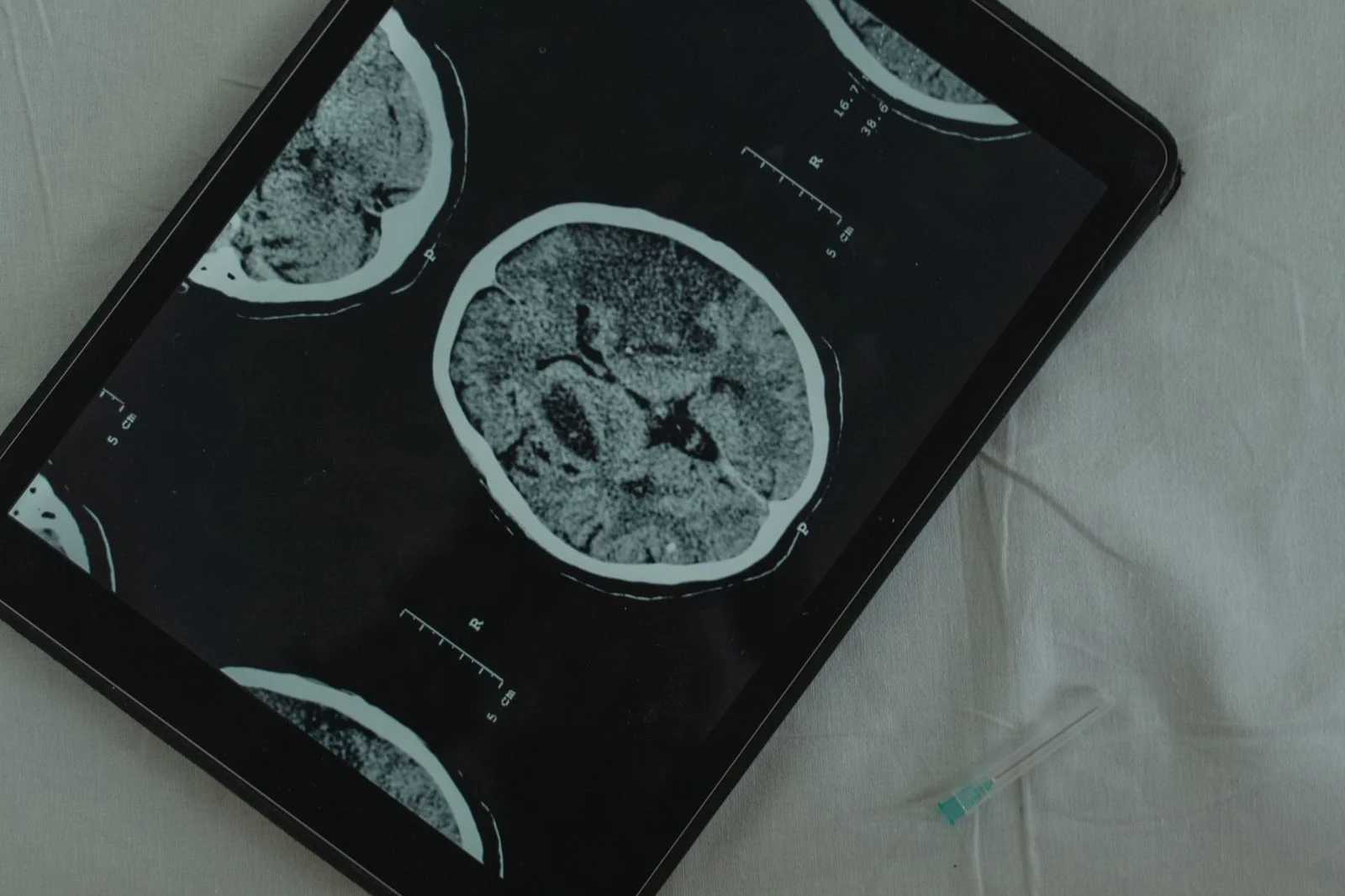
A concussion or traumatic brain injury is usually proven through the treatment record and a detailed symptom history. A standard CT or MRI often looks normal even when the injury is real.
Helpful evidence includes emergency and follow-up records, a symptom log covering headaches, memory, sleep, mood, and concentration, and neurological or neuropsychological testing when a provider orders it.
Observations from people who knew the person before the crash can matter. A spouse, coworker, or child may notice changes in attention, patience, or work performance. Write those observations down with dates and specific examples.
Keep a simple log. Note the date, the symptom, how strong it was, and what it stopped you from doing. A log turns a vague feeling into a record a provider can review.
A brain injury can be serious even when first scans look clear. The treatment record is central, because it shows what the provider found and how care changed over time. Missed follow-up visits can make that record harder to read.
Chronic Pain, Emotional Injuries, and Whether Pain and Suffering Is Hard to Prove
Pain and suffering can be hard to prove because it is felt inside the injured person, and no scan shows it directly.
Proof usually combines medical records with other evidence. Useful records include diagnosis notes, prescriptions, physical therapy notes, and pain-management visits. Pharmacy records show when medication started and when it changed.
Outside evidence helps too. A daily journal, dated photographs of injuries or limits, and statements from family, friends, or coworkers can support what the records show. Those statements carry more weight when they describe specific events, not general sympathy.
Chronic pain that continues after the expected healing period is harder to link to the accident. The file needs records that document the ongoing condition, not only the first visit.
Emotional injuries work the same way. Anxiety, depression, or post-traumatic stress need a provider’s diagnosis and mental health treatment records.
Pre-Existing Conditions and the Aggravation Question
A pre-existing condition makes proof harder because the question becomes which symptoms the accident caused and which were already there.
Insurers and opposing parties often argue that symptoms existed before the crash. Old back pain, a past neck strain, or earlier headaches can all be raised. The issue is separating old problems from new injuries.
An accident can also make an existing condition worse. That is called aggravation. Medical records that show the condition before the accident, and the change afterward, help show the difference.
Prior records can be part of the proof. Older visits, imaging, and medication lists give a baseline. A clear treatment history from before and after the crash lets a provider compare the two periods.
Tell your providers about past problems. An honest, complete history is easier to explain than a gap discovered later.
Delayed Symptoms and Gaps in Treatment
Symptoms that appear days or weeks after a crash are a documentation question, not a reason to skip care.
Delayed symptoms do happen. A delayed-onset headache study on post-traumatic headache after motor vehicle collisions reports that symptoms may progress or become apparent weeks later, and that they warrant medical evaluation.
Timing questions come up in claims. Opposing parties may ask when the injury began. Report symptoms to a provider as soon as they appear, even when they seem small.
Gaps in treatment are another common issue. A long break between visits can lead others to question whether the injury was serious or caused by the crash. If care was delayed for a reason, such as cost, transportation, or work, write that reason down with a date.
Practical steps help. Keep appointments, follow the treatment plan your provider recommends, and ask questions when instructions are unclear. Those steps protect your health first, and they also build the record.
Not sure what your next step is?
Talk it through with our team — the first consultation is free, confidential, and carries no obligation.
How Hard-to-Prove Injuries Get Documented
Hard-to-prove injuries are documented with several kinds of records working together, not with one test.
The core evidence includes emergency and treatment records, imaging when ordered, test results, and provider notes describing the accident and symptoms. Pharmacy records and work records showing missed time or changed duties add detail.
Medical witnesses can explain the connection. Treating physicians may be asked to explain how an injury relates to the crash and to the treatment that followed. Their testimony is only as strong as the records behind it.
A daily-impact log adds the everyday side. Write down what you can no longer do, such as lifting, driving, sleeping, or caring for children. Dates and specifics make the log useful.
Accident evidence must match the medical story. Photos, vehicle damage, and scene details should fit how the injury was described at the clinic. Under Li v. Yellow Cab Co., California follows pure comparative negligence, so an injured person’s own partial fault reduces damages rather than barring recovery.
Wrongful death claims carry a separate proof task. Code of Civil Procedure § 377.60 sets out who may bring the claim. Medical, autopsy, and treatment timeline records are central.
Talking With Colvin Accident Lawyers About Your Situation
If you’re caring for a parent with a head injury, or recovering from a neck injury that didn’t show on X-rays, you’re making decisions without clear answers. You may still be in treatment and not yet sure whether a claim makes sense.
The injury facts and medical records in your situation are exactly what a conversation about a claim would examine. Bring the records, bills, and any symptom log you’ve started.
Donald Norman Colvin is the responsible lawyer for this page. Colvin Accident Lawyers, based in Bakersfield, California, can review your specific facts. Call the firm or use the contact form to start that conversation.
The initial consultation is free, confidential, and carries no obligation to continue.
For background on crash-related claims, see the car accident lawyer page.
Frequently Asked Questions
Why are soft tissue injuries like whiplash hard to prove after a car accident?
Soft tissue injuries, such as neck and back sprains, often do not appear on standard X-rays, so proof usually depends on medical diagnosis, treatment records, and a consistent record of symptoms over time. Insurers may question these injuries because they are harder to measure than broken bones.
Can a concussion or brain injury be hard to prove even when symptoms are real?
Yes. Many concussions do not show up on standard CT or MRI scans, so doctors often rely on reported symptoms, neurological testing, and follow-up care to document the injury.
Does a pre-existing condition prevent someone from making an injury claim?
Not automatically. A prior condition can make it harder to separate old problems from new ones, but a claim may still be possible when an accident worsened an existing condition, and a review of medical records can help show what changed.
How does a gap in medical treatment affect an injury claim?
Insurers often argue that a delay or gap in treatment means the injury was not serious or was caused by something else, so prompt and consistent medical care matters. Colvin Accident Lawyers offers a free, confidential first consultation with no obligation to continue, so you can call to talk through your situation.
How we approach injuries that are hard to prove
Complete medical records
We work to gather diagnoses, imaging, treatment notes, and therapy records so the full medical picture is clear.
A consistent symptom timeline
Tracking when symptoms start, change, and persist helps connect your injuries to the accident over time.
Attention to the whole person
Pain, fatigue, dizziness, and changes in work or family life all matter, and we make sure they are part of your story.
Clear communication
Our team explains each step in plain language, so you know what to expect as your case moves forward.
Get medical care promptly
Some brain injuries and soft tissue injuries have symptoms that appear hours or days after a crash. Seeing a doctor soon after an accident supports your health and creates an important record of your injuries.
Injuries we often see in these cases
Whiplash and soft tissue injuries
Sprains and strains in the neck, back, and shoulders often do not appear on standard X-rays, which is why detailed treatment records matter.
Concussion and traumatic brain injury
Head injuries can affect thinking, balance, mood, and sleep, and symptoms may not be obvious right away.
Symptoms that develop later
Some injuries become more noticeable days or weeks after an accident. Reporting every symptom to your doctor helps keep the record complete.
Why documentation matters
Consistent medical care, honest symptom reporting, and organized records help show how an injury affected your daily life.