Wrongful Death | Bakersfield, CA
When a Rear-End Collision Takes a Loved One
Colvin Accident Lawyers works with families across Kern County and beyond to understand what happened and pursue accountability after a fatal crash.
By Donald Norman Colvin · Published November 9, 2026
Losing a family member in a fatal rear-end collision on a California highway is sudden, and the questions come fast. A wrongful death claim lets eligible family members seek compensation when another driver’s negligence causes a death. In California, that claim generally must be filed within two years of the date of death (Code Civ. Proc. § 335.1).
Families looking for a wrongful death lawyer in California after a fatal rear-end collision need plain answers. Colvin Accident Lawyers is based in Bakersfield, California. This guide explains who can bring the claim, what it can cover, and how fault is decided.
What a Fatal Rear-End or Highway Collision Wrongful Death Claim Is
A fatal rear-end collision claim is a wrongful death claim that arises when one vehicle strikes the back of another and someone dies. A rear-end crash happens when the front of a vehicle hits the back of a car that is stopped, slowing, or merging.
On busy highways, one impact can set off a chain-reaction collision involving several vehicles. Each impact can add to the harm, and each driver’s conduct can matter to the claim.
Highway 99, Highway 58, and Highway 178 run through Bakersfield and Kern County.
This page is written for families of a driver or passenger who died in one of these crashes.
If a car struck a stopped or slowing vehicle and your loved one died, you may have a claim, and you don't have to sort out the next steps alone. Talk it through with our team — the first consultation is free, confidential, and carries no obligation.
Rear-End and Highway Crashes This Page Covers
Fatal rear-end crashes take several common forms. This page covers:
- A vehicle striking a stopped car in slowed or stopped traffic.
- A multi-vehicle chain reaction that starts with one impact.
- A crash into a vehicle slowing for a merge, an exit, or a construction backup.
- A collision with a vehicle that stopped after an earlier crash.
These claims can involve a passenger car, a commercial truck, a bus, or a van. It can change which records matter most.
Colvin Accident Lawyers handles car, truck, and bus accident cases, along with wrongful death cases. Families can review which crash type fits their loss during a first conversation with the firm.
Who Can Bring a California Wrongful Death Claim
The decedent’s surviving spouse, domestic partner, and children can bring the claim under Code of Civil Procedure § 377.60. If there is no surviving issue, persons entitled to the decedent’s property by intestate succession may bring it.
Persons who depended on the decedent may also qualify. This includes a putative spouse, stepchildren, and parents, or legal guardians if the parents are deceased. A minor who lived in the decedent’s household for the previous 180 days, and who depended on the decedent for at least one-half of support, may also qualify.
The claim can be brought by these persons or by the decedent’s personal representative on their behalf.
A separate survival claim covers losses the decedent suffered before death. Code of Civil Procedure § 377.34 describes how that claim is brought and what it can include.
Damages Families May Pursue
Wrongful death damages fall into two broad groups. Economic damages are objectively verifiable monetary losses. Civil Code § 1431.2 lists medical expenses, loss of earnings, and burial costs as examples.
Non-economic damages are subjective, non-monetary losses. The same statute lists loss of society and companionship, and emotional distress, as examples.
Survival damages follow a narrower rule. Under Code of Civil Procedure § 377.34, the survival claim covers losses the decedent sustained before death. It generally does not include pain, suffering, or disfigurement. Section 377.34(b) allows damages for pain, suffering, or disfigurement only in an action granted a preference under Section 36 before January 1, 2022, or an action filed on or after January 1, 2022, and before January 1, 2026. That filing window has closed, so this exception does not apply to actions filed now.
The value of any claim depends on the facts, the family’s relationship to the decedent, and the evidence.
What Determines Fault in a Highway Rear-End Crash
Fault in a rear-end crash often turns on how the trailing driver handled the gap and the speed. California law says a driver shall not follow another vehicle more closely than is reasonable and prudent, under Vehicle Code § 21703.
A driver also cannot drive faster than is reasonable or prudent for the traffic, weather, and road conditions. Vehicle Code § 22350 states that rule.
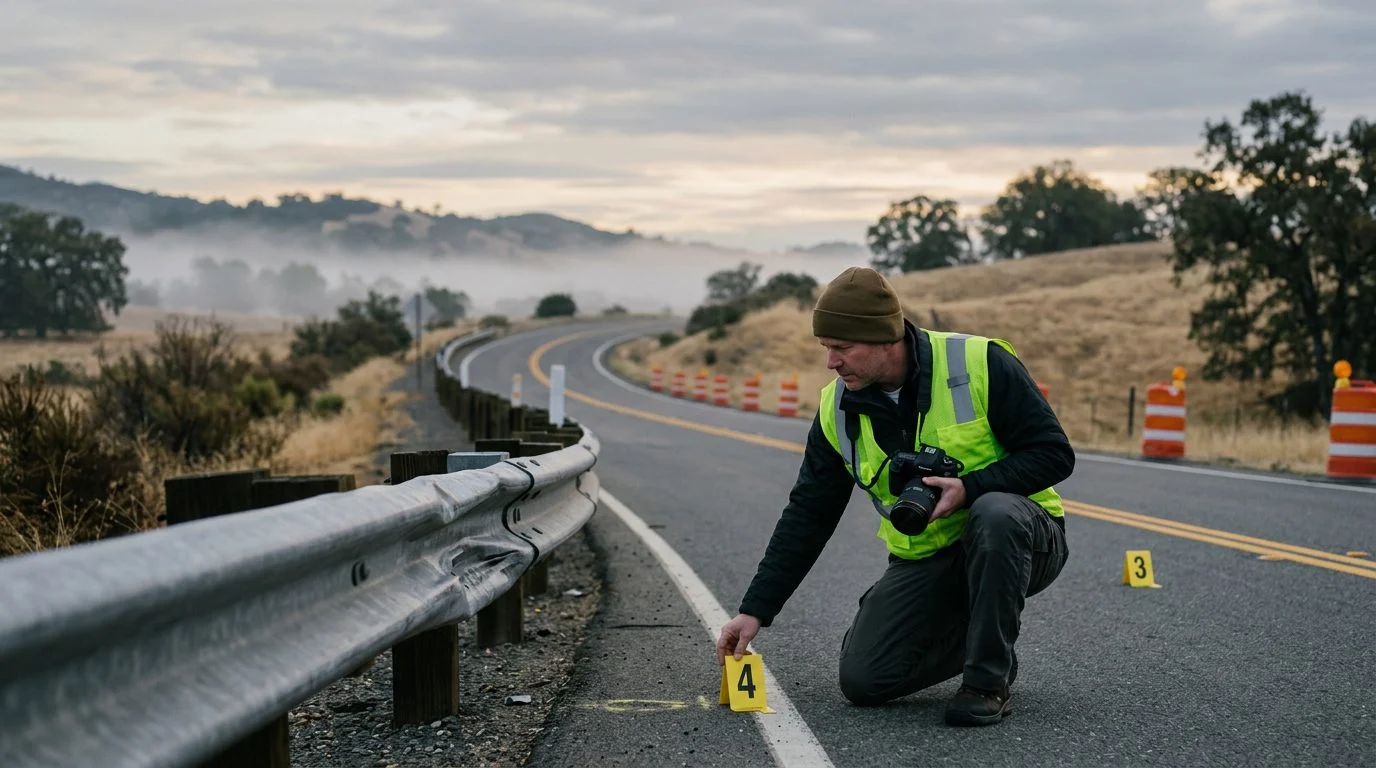
Evidence that often matters includes:
- The crash report from police or the California Highway Patrol.
- Vehicle event data recorder information.
- Skid marks and vehicle damage patterns.
- Traffic camera or nearby business video.
- Witness statements and phone records.
Comparative fault is the question families ask most.
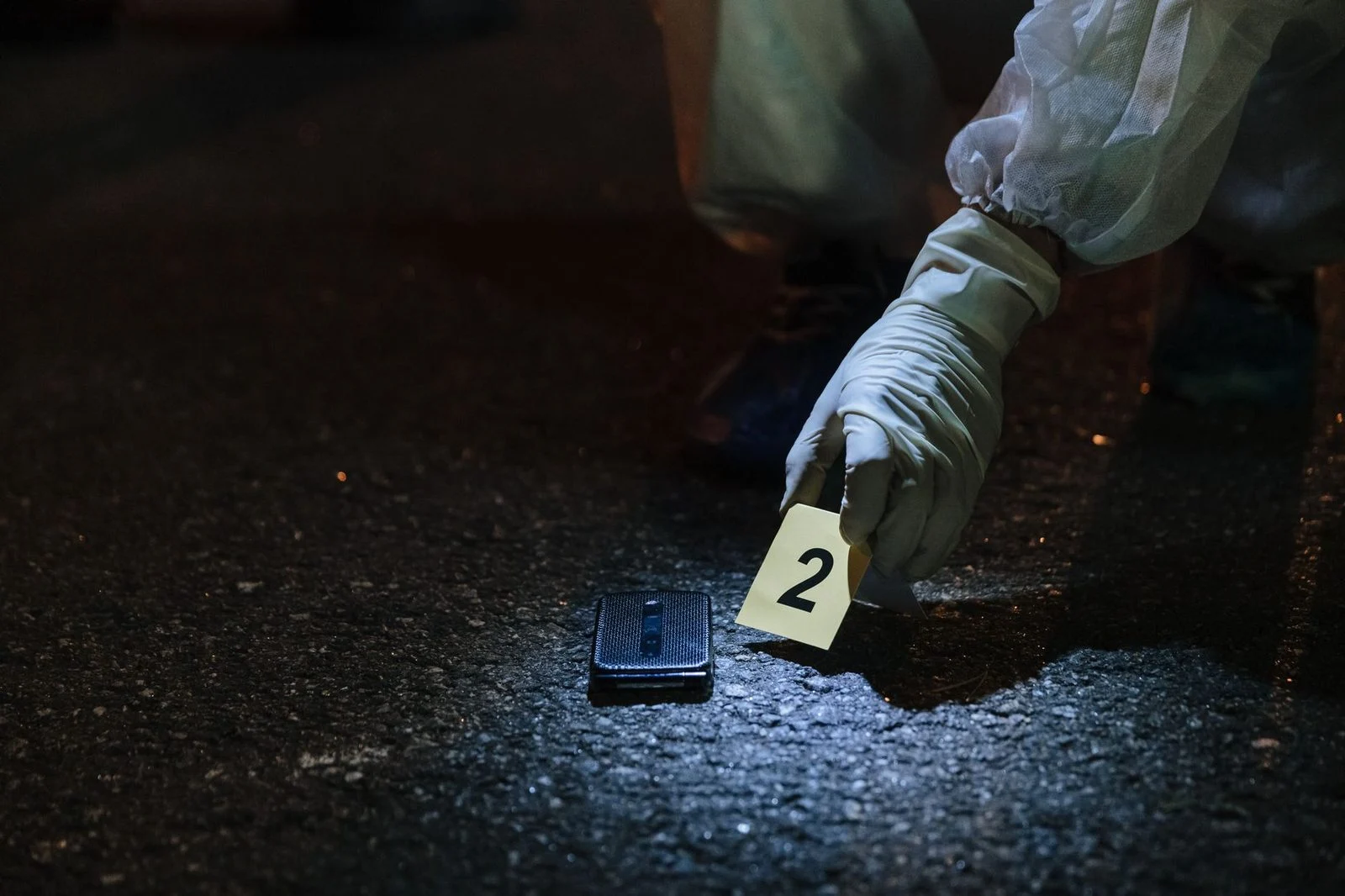
Timing matters. Vehicle data, video, and witness memories can be lost over time, so early preservation helps.
How the Process Works, Step by Step
The process moves in clear stages, though each case differs.
- Free first consultation. You contact the firm by phone or through the contact form. The first consultation is free, confidential, and comes with no obligation to continue.
- Record review. The firm reviews the crash report, death and medical records, and the family’s account. It identifies the parties and insurers involved.
- Evidence letters. The firm sends letters asking that vehicle data, video, and records be preserved.
- Investigation. The firm keeps gathering facts. This can include reconstructing the crash sequence when the facts call for it.
- Claim presentation. The firm presents the claim to responsible parties and their insurers. It reviews any offers with the family before anyone decides.
- Lawsuit, if needed. If a fair resolution is not reached, the firm talks through filing a lawsuit and what that involves.
California generally allows two years from the date of death to file a wrongful death lawsuit, under Code of Civil Procedure § 335.1. Exceptions may apply, so families should ask about timing early.
Not sure what your next step is?
Talk it through with our team — the first consultation is free, confidential, and carries no obligation.
Why Families Choose Colvin Accident Lawyers
Colvin Accident Lawyers is a personal injury firm based in Bakersfield, California. It handles car, truck, motorcycle, bicycle, pedestrian, bus, train, dog bite, premises liability, catastrophic injury, and wrongful death cases.
Donald Norman Colvin is the responsible lawyer for this page. Our team includes assistants and office staff who support the firm’s lawyers and help families keep records organized.
The firm is based in Bakersfield. This guide uses Kern County highways as examples because they are part of the local driving routes many families know.
Your first step is a direct conversation with the firm, by phone or through the contact form. Bring the names of the parties, the crash report number if you have it, and any questions about the next few weeks.
Frequently Asked Questions
Is there a deadline to file?
California generally allows two years from the date of death to file a wrongful death lawsuit (Code Civ. Proc. § 335.1). Exceptions may apply, so ask early.
Possible sources of recovery, including the family’s own policies, may be relevant to a claim.
The firm also reviews vehicle data, video, witness accounts, and medical and death records.
Questions about fault in a wrongful death case?
Will the case go to trial?
Not every claim goes to trial. If a lawsuit is needed, the firm explains what that process involves.
Talk With Colvin About Your Family’s Loss
If a car struck the back of a slowed vehicle on a Kern County highway and your loved one died, you may have a claim to review. You may also be deciding whom to trust and how quickly to act.
Reach out to Colvin Accident Lawyers through the contact form, or call the firm to talk about your family’s next steps.
Colvin Accident Lawyers, Bakersfield, California — responsible for this site. Responsible lawyer: Donald Norman Colvin.
Evidence Can Change Quickly
Photos, vehicle data, and witness contact information can be lost over time. Reaching out early gives us a chance to discuss which steps may help protect your family's position.
How Colvin Accident Lawyers Can Help
Careful Review of the Facts
We look closely at the crash, the records, and the circumstances surrounding your loved one's death before discussing next steps.
Clear, Honest Communication
We explain the process in plain language so you know what to expect and can make informed decisions for your family.
Supporting Families in the Valley
We serve families in Bakersfield, Kern County, and surrounding communities, including Fresno, Visalia, Lancaster, Palmdale, Delano, and Tehachapi.
Steps You Can Take Now
Ask Your Questions Early
A consultation is a good place to ask how California wrongful death claims work and what your family may want to consider.
Preserve What You Have
Keep police reports, medical and funeral records, photos, and any messages or documents connected to the crash.
Let Us Gather the Facts
Our team can help request records and information so the full picture of the collision is considered.
Stay Informed Throughout
We keep you updated on progress and explain each decision, so your family is never left guessing about what comes next.