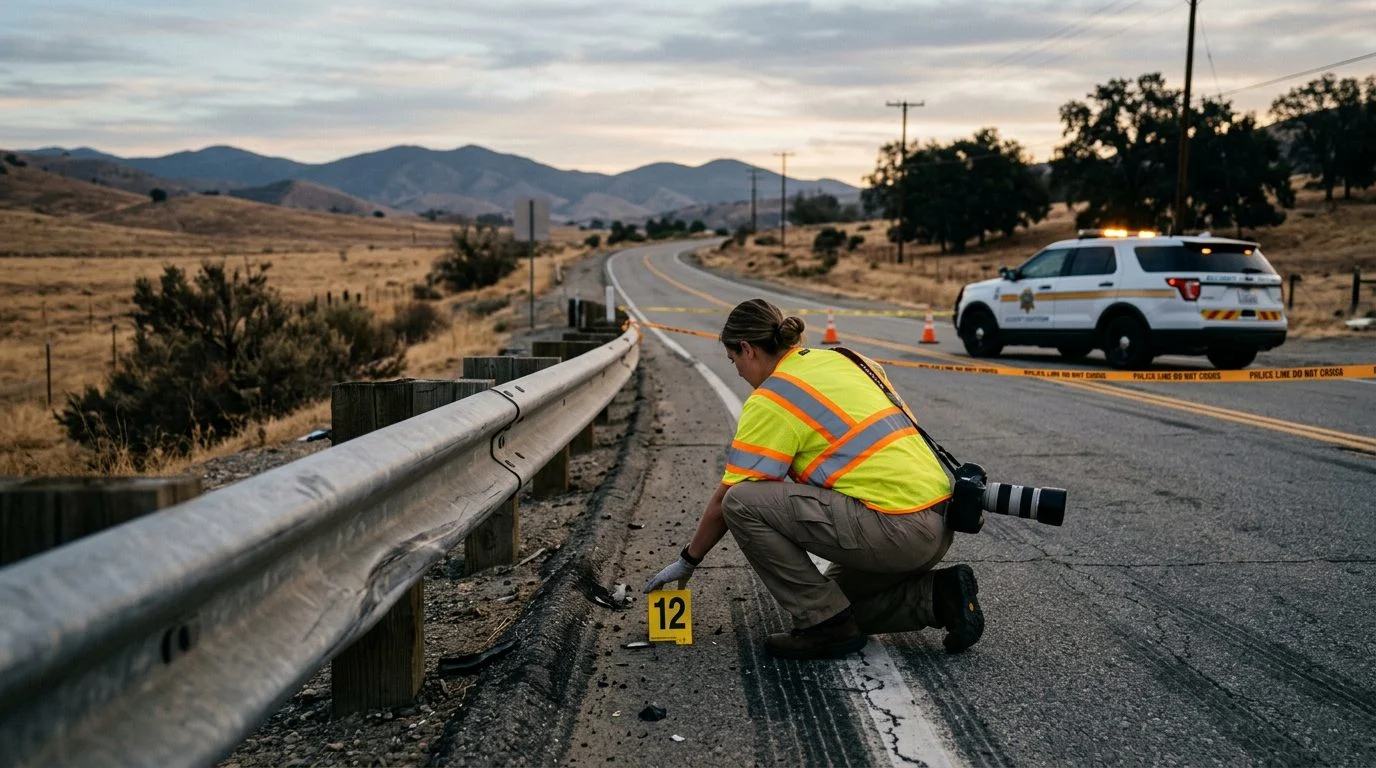
Wrongful Death | Government Vehicle Crashes | Bakersfield, CA
When a Government Vehicle Takes a Loved One, Your Family Deserves Answers
Colvin Accident Lawyers is based in Bakersfield and helps families across Kern County and nearby communities understand their options after a fatal crash involving a city, county, state, or transit vehicle.
Start with a conversation
Free
First consultation, confidential, with no obligation to continue
Bakersfield, CA
Our home office, serving families in Kern County and beyond
By Donald Norman Colvin · Published November 13, 2026
If someone you love died in a crash with a city, county, state, or transit vehicle, you may have a wrongful death claim. A wrongful death lawyer can explain how a government vehicle crash case in California differs from a private one. The first deadline is short. Under California law, a written claim against a public entity for a death generally must be presented within six months. Cal. Gov. Code § 911.2 This guide covers the rules, what the claim must contain, and what to do next.
What a Government Vehicle Wrongful Death Case Is and Who Can Bring It
A government vehicle wrongful death case is a claim for a death caused by a public employee’s wrongful act or neglect. The vehicle may belong to a city, a county, the state (including Caltrans), or a transit district. Cars, trucks, buses, and other agency-owned vehicles can all be involved. Cal. Code Civ. Proc. § 377.60 sets out who may assert a cause of action for a death caused by the wrongful act or neglect of another.
The statute sets out who can sue. A surviving spouse or domestic partner and the children may bring the claim. If there is no surviving issue, the people who would inherit the decedent’s property may sue. Dependent parents, stepchildren, children of a putative spouse, a putative spouse, or the decedent’s legal guardians if the parents are deceased, may also qualify; a minor who lived in the decedent’s household for the previous 180 days and was dependent on the decedent for one-half or more of support may also sue.
Motorcycle riders, cyclists, and pedestrians can die in these crashes too. So can people whose catastrophic injuries later lead to death. Under Cal. Gov. Code § 815.2, a public entity is liable for injury proximately caused by an act or omission of an employee of the public entity within the scope of his employment if the act or omission would, apart from this section, have given rise to a cause of action against that employee or his personal representative, and, except as otherwise provided by statute, a public entity is not liable for an injury resulting from an act or omission of an employee of the public entity where the employee is immune from liability.
If someone you love died in a crash with a city, county, Caltrans, or transit vehicle, you may have a claim with a short deadline. Talk with us now. Talk it through with our team — the first consultation is free, confidential, and carries no obligation.
Why Government Vehicle Cases Follow Different Rules
Government vehicle cases fall under the Government Claims Act, which sets steps that come before a lawsuit. A written claim comes first, and a suit can be barred if that step is skipped.
A public agency can answer for an employee’s negligence. Under Cal. Gov. Code § 815.2, an agency can be liable for injury caused by an employee acting within the scope of employment. That applies when the employee’s act would have supported a claim against the employee. The agency is not liable where the employee is immune.
The damages differ, too. A public entity is not liable for punitive or exemplary damages, which are meant to punish the defendant. Cal. Gov. Code § 818 states that rule. Many families assume a normal lawsuit comes first. In these cases, the claim process comes first.
The Six-Month Claim Deadline Families Must Not Miss
A written claim against a public entity for a death generally must be presented within six months after the cause of action accrues. Cal. Gov. Code § 911.2 sets that deadline. The claim must include:
- Under Cal. Gov. Code § 910, a claim shall be presented by the claimant or by a person acting on his or her behalf and shall show, among other items, the name and post office address of the claimant and the post office address to which the person presenting the claim desires notices to be sent.
- The date, place, and other circumstances of the crash.
- A general description of the death, injury, or loss.
- The name of the public employee who caused it, if known.
- The amount claimed. If it is more than $10,000, no dollar figure goes in the claim, but it must say whether it would be a limited civil case.
These contents come from Cal. Gov. Code § 910.
After the claim is presented, the agency has 45 days to act. If it does not act, the claim is deemed rejected. Cal. Gov. Code § 912.4 sets out this timing. After written rejection, suit must be filed within six months of the notice. Cal. Gov. Code § 945.6 sets that rule. If no written notice is given, suit is due within two years after accrual.
Missed the six months? Cal. Gov. Code § 911.4 allows a written application for leave to present a late claim. It must be made within a reasonable time, not to exceed one year after the accrual of the cause of action, state the reason for the delay, and attach the proposed claim. It is an application, so it is not automatic.
What a Wrongful Death Claim Can Recover
Under Cal. Code Civ. Proc. § 377.61, wrongful death damages may be awarded that are just under all the circumstances of the case, but they may not include damages recoverable in a survival claim under § 377.34. The court also decides how any award is shared among the people entitled to it.
A separate survival claim covers what the decedent lost before death. Cal. Code Civ. Proc. § 377.34 limits those damages to the loss the decedent sustained before death. They generally do not include pain, suffering, or disfigurement. The statute has narrow exceptions tied to filing dates.
Case facts drive the value. Relevant facts include the decedent’s age, earnings, family relationships, and how the crash happened. No one can predict a dollar figure before those facts are developed.
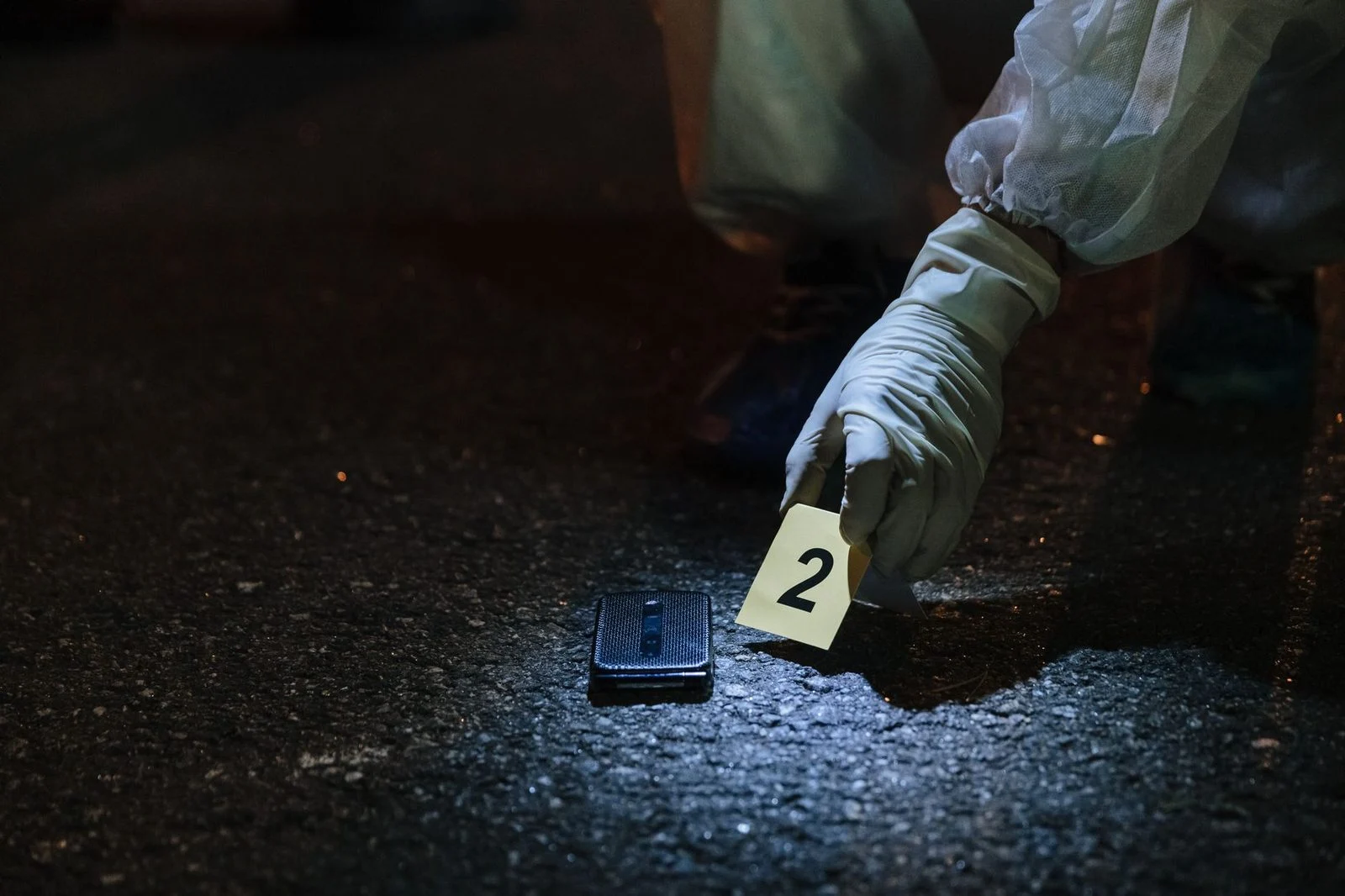
How a Government Vehicle Death Claim Works, Step by Step
A government vehicle death claim moves through five stages, from the first consultation to a lawsuit if one is needed.
- Consultation. The firm reviews the crash date and place, the agency, the report number, and who may bring the claim.
- Evidence requests. Early written requests ask the agency to keep video, GPS data, driver logs, maintenance records, and the vehicle itself. Records can be lost if no one asks for them early.
- Written claim. The claim goes to the correct public entity within six months and includes the required contents.
- Agency response. The agency has 45 days to act. If it does not, the claim is deemed rejected.
- Negotiation or suit. After rejection, the firm works toward resolution or files suit within the statutory period.
Each stage’s length depends on the agency’s response and the facts, so no single timeline fits every case.
Why Families in Kern County Work With Colvin Accident Lawyers
Colvin Accident Lawyers is based in Bakersfield, California, and works with families in Kern County and nearby communities, including Fresno, Visalia, Lancaster, Palmdale, Delano, and Tehachapi.
- Donald Norman Colvin is the responsible lawyer for this page.
- The firm handles car, truck, motorcycle, bicycle, pedestrian, bus, dog bite, premises liability, catastrophic injury, and wrongful death cases.
- Support staff, including assistants and office staff, work on case files.
- Our team can walk you through the claim deadline, the required paperwork, and what happens after the agency responds.
Not sure what your next step is?
Talk it through with our team — the first consultation is free, confidential, and carries no obligation.
Frequently Asked Questions About Government Vehicle Wrongful Death Claims
Most families ask about the driver, the deadline, and the cost of a first call.
Can the family sue the driver personally?
A claim against the agency is the usual first step. The driver may also be liable, and the agency is liable for an employee’s act or omission within the scope of employment if that act would have given rise to a cause of action against the employee, under Cal. Gov. Code § 815.2.
What if six months have already passed?
A late claim may still be possible through a written application.
Do we need the police report before calling a lawyer?
No. The report number and crash details help, but the consultation can start with what the family already knows.
Does a claim against a private driver have the same deadline?
No. A wrongful death case against a private party generally has a two-year limit under Cal. Code Civ. Proc. § 335.1.
What does the first consultation cost?
The first consultation is free and confidential, with no obligation to continue.
Talk With Colvin Accident Lawyers Before the Claim Window Closes
If a family member died in a crash with a government vehicle, the six-month clock may already be running. Contact Colvin Accident Lawyers now through the contact form so the claim can be prepared inside the window.
Gather these items before you call:
- The date, time, and place of the crash.
- The agency or transit district, if known.
- The police or incident report number.
- Any letter or notice from the agency.
- The names of the people who may bring the claim.
Donald Norman Colvin, responsible lawyer. Colvin Accident Lawyers, Bakersfield, California — responsible for this site.
How we support grieving families
Compassion first
Losing someone in a crash is painful. We listen carefully and give you room to ask questions at your own pace.
Clear, plain-language guidance
We explain the claim process, the parties involved, and what information will matter, so you know what to expect.
Support for the whole family
We work with spouses, children, and other family members who are dealing with the loss together.
Direct, confidential contact
Call Colvin Accident Lawyers to discuss your situation in a private, no-obligation conversation.
Don't wait to ask for advice
Claims involving public agencies can follow procedures that differ from ordinary injury claims. Early review of the crash facts and records can help you understand what steps may apply to your family.
Information that helps at your consultation
Crash details
Date, time, and location, along with any police or incident report number you have received.
Vehicle information
Whatever you know about the government vehicle, such as the agency name, unit markings, or photos taken at the scene.
Medical and funeral records
Hospital, coroner, and funeral home documents help us understand the injuries and the losses your family has faced.
Witness and family notes
Names and contact details for witnesses, plus any notes family members have written about the crash or your loved one.