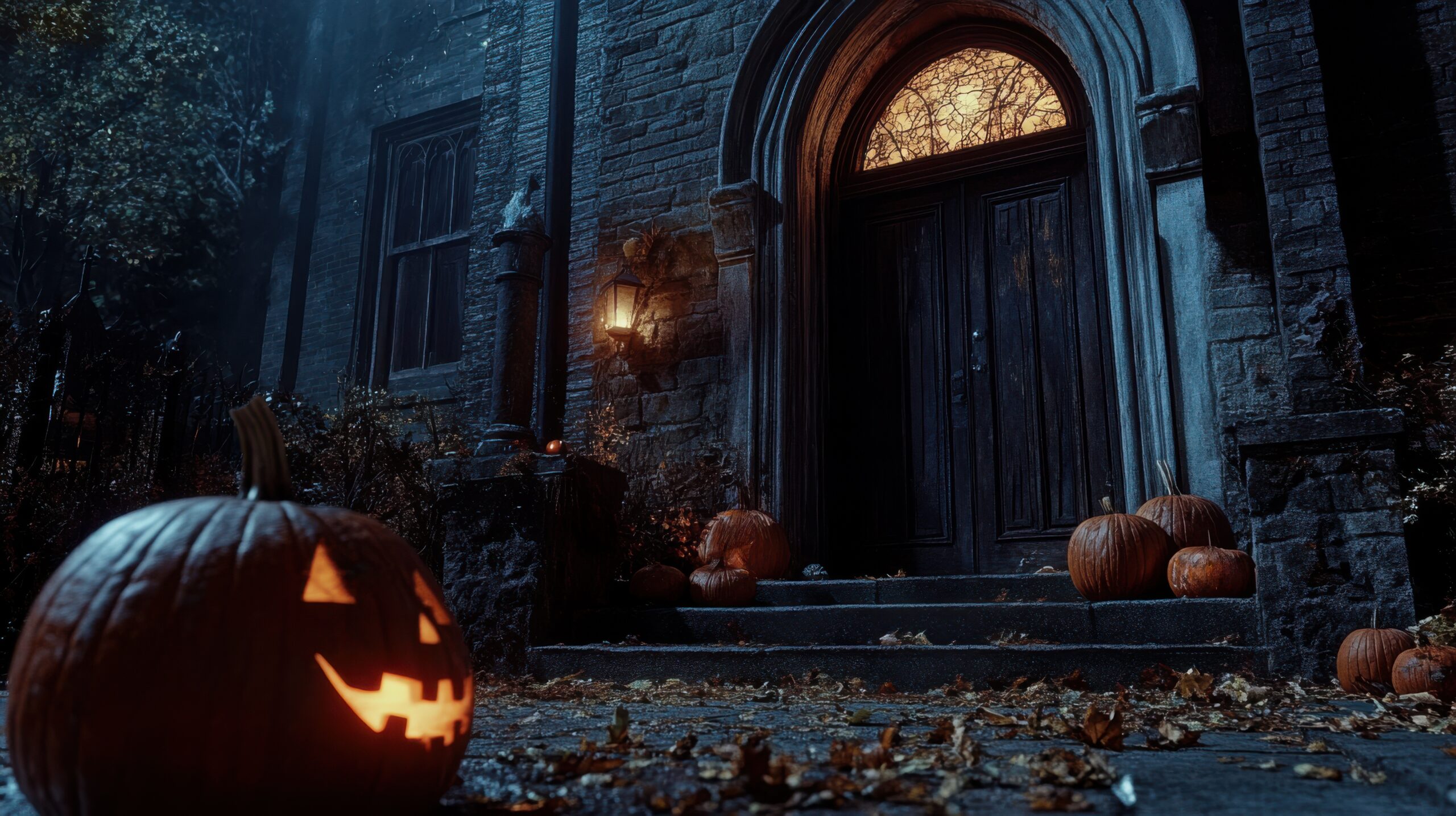
Inflatable ghosts, glowing pumpkins, and fog-filled haunted porches make October one of the most festive months in Bakersfield. Those same decorations, however, can create real hazards for trick-or-treaters, party guests, and customers. When someone trips over a cord, falls on a dark walkway, or suffers a burn, families often wonder who should pay. This guide explains how California law handles liability for Halloween decorations, who may bear responsibility, and how to keep your own celebration safe.
Why Halloween Decorations Create Liability Risks
Most seasonal hazards come from good intentions. Homeowners want a spooky display, and businesses want to draw customers. Yet decorations often change how people move through a space. They block walkways, add cords and stakes, and dim the lighting that visitors rely on.
Halloween also brings more visitors than usual. Children in long costumes and masks may not see a hazard in time. Adults may visit unfamiliar homes after dark. These conditions explain why liability for Halloween decorations becomes a common question each fall.
How California Premises Liability Law Works
California sets a broad standard for property owners. Under Civil Code section 1714, everyone bears responsibility for injuries caused by a lack of ordinary care in managing their property.
In practice, an injured person generally must show that:
- The defendant owned, leased, or controlled the property.
- The defendant acted negligently in using or maintaining it.
- The negligence caused the injury.
- The injured person suffered harm, such as medical bills or lost income.
California jury instructions on premises liability appear in the Judicial Council’s CACI series. Courts often ask whether the owner knew, or reasonably should have known, about the danger and failed to fix it or warn visitors.
Common Decoration Hazards That Cause Injuries
Seasonal displays can lead to several types of accidents:
- Tripping over extension cords, stakes, or tethers for inflatables.
- Falling on dark steps where decorations replace or block porch lights.
- Burns from candles inside jack-o’-lanterns, especially near flowing costumes.
- Electrical shocks from damaged lights or outdoor cords exposed to sprinklers.
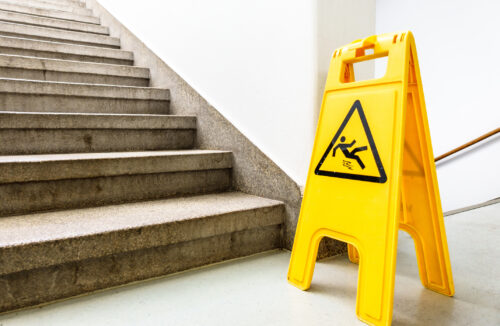
- Slipping on fog machine residue or fake cobwebs on walkways.
- Falling props, such as unsecured skeletons, signs, or animatronics.
Our earlier article on Halloween slip and fall injuries covers falls in more detail.
Homeowners and Liability for Halloween Decorations
A homeowner who sets up a display generally controls it. If that homeowner runs a cord across the front walk or leaves a broken step in darkness, an injured trick-or-treater may have a claim. In most cases, liability for Halloween decorations turns on whether the homeowner acted reasonably under the circumstances.
Homeowners insurance often includes liability coverage that may pay for a guest’s injuries, depending on the policy. Hosts of Halloween parties should also review our article on graduation party host liability, since many of the same principles apply to any gathering.
Renters, Landlords, and HOAs
Responsibility can shift when more than one party controls a property. A tenant who decorates a front yard usually controls that display. A landlord, meanwhile, often remains responsible for common areas, such as shared stairways, lighting, and parking lots in an apartment complex.
Homeowners associations may also share responsibility when they decorate common areas or fail to repair hazards in shared spaces. Leases and HOA rules can affect who controls each area, so the specific documents matter.
Businesses, Haunted Houses, and Public Events
Stores, restaurants, pumpkin patches, and haunted attractions invite the public onto their property for business purposes. These owners must inspect their premises and address dangers they know about or would discover through reasonable inspection.
Haunted houses raise unique issues. Visitors expect to feel scared, but they do not accept every risk. Operators still need safe floors, clear exits, adequate supervision, and props that do not fall or strike guests. A store display that topples onto a shopper may also lead to a claim. Our article on who is legally liable when you slip in a store explains how these cases work.
When a City or County Puts Up the Display
Public parks and civic buildings sometimes host Halloween events or seasonal displays. Under Government Code section 835, a public entity may face liability for a dangerous condition of its property if its employee created the condition or the entity had notice in time to fix it.
Claims against government agencies follow strict rules. Injured people generally must file a written claim within six months, much sooner than the usual deadline.
Can an Injured Visitor Share the Blame?
Insurers often argue that the injured person should have watched their step. California follows comparative fault, which means a visitor’s own carelessness may reduce compensation without necessarily eliminating it. A long costume or a mask that limits vision does not excuse an owner who left a dangerous condition in place.
Children receive special consideration. Courts generally weigh a child’s age and experience when deciding what behavior was reasonable.
Reducing Halloween Decorations Liability at Home
A few precautions can protect your guests and your family:
- Keep walkways clear of cords, props, and inflatable tethers.
- Light every step leading to your door.
- Use battery-operated candles inside jack-o’-lanterns.
- Secure tall props so wind or curious children cannot knock them over.
- Check lights and cords before plugging them in.
The Electrical Safety Foundation International recommends inspecting electrical decorations and extension cords before use, discarding any with cracked or frayed wiring, and using ground-fault circuit interrupters wherever water may reach electrical products. ESFI also warns that dried flowers, corn stalks, and hay can ignite easily. The American Academy of Pediatrics adds that families should look for flame-resistant labels on costumes, wigs, and accessories.
Protecting Your Rights in Halloween Decorations Liability Claims
If a decoration injures you or your child, take these steps:
- Get medical care right away.
- Photograph the hazard before anyone moves or removes it.
- Collect names and contact information from the owner and any witnesses.
- Report the injury to the business manager, if it happened at a store or event.
- Avoid recorded statements to an insurer before you understand your rights.
California generally allows two years to file an injury lawsuit under Code of Civil Procedure section 335.1. Our trick-or-treating safety tips and Halloween safety tips for parents offer more ways to protect your family this week.
Talk With a Bakersfield Premises Liability Lawyer
Halloween should bring laughter, not a trip to the emergency room. Questions about liability for Halloween decorations can feel overwhelming, especially while you recover. If a careless property owner causes an injury, Colvin Accident Lawyers can help you understand your options. Learn more about our Bakersfield premises liability lawyer services, or read what our clients say.
Call (661) 616-1177 or contact us online. We answer the phone 24/7.