Dog Bite Claims | Bakersfield & Kern County
Dog Bite 10 Day Rule in California: A Plain Guide
Learn what the 10-day observation period for a biting dog means, what it does not mean, and what to do after a bite. Colvin Accident Lawyers focuses on injury cases, including dog bites.
By Donald Norman Colvin · Published November 8, 2026
What is the 10 day rule in dog bite cases? It is a watch period. After a dog bites someone, the dog is observed for 10 days to see whether it becomes ill. Health officials use that window to learn whether the dog was sick when it bit. It is a public health step, not a court deadline, but its records can matter later.
If you’re reading this, you may be waiting for news about a dog while your wound heals. You may be helping a child or relative who was bitten. Here is what the rule means and how it fits into California law.
What the 10 day rule means after a dog bite
The 10 day rule means the biting dog is watched for 10 days after the bite. The observation usually happens at home with the owner. It can also happen at a shelter or animal control facility when local officials direct it. Someone checks the dog’s health during that time and reports any signs of illness.
The observation is a public health measure. It is not a court order, and it is not a filing deadline for a lawsuit. The 10 days give officials time to see whether the dog stays healthy.
If the dog stays healthy and active through the full window, that is the result everyone hopes for. It means the dog was not sick at the time it bit. If the dog gets sick, dies, or disappears, officials need to know right away. That is why the bite should be reported quickly, so the dog’s status is on file from the start.
If a dog bite has left you or someone you love waiting on news and full of questions, our team is ready to listen. A free first consultation is confidential and carries no obligation to continue. Talk it through with our team — the first consultation is free, confidential, and carries no obligation.
Why 10 days matters for rabies
The 10 day window exists because of rabies. Rabies is a viral illness that can reach people through a bite or through saliva from an infected animal. Watching the dog is a way to answer the rabies question without putting the dog through immediate testing.
A dog that shows illness during the window gives officials a clear signal to act. Animal control and public health staff use this period to decide what happens next for the dog. They also help decide what the person who was bitten needs to know. Their direction matters most, so follow what local officials tell you.
What to do if the dog cannot be observed or becomes ill
If the dog can’t be watched, can’t be found, or gets sick during the window, a doctor will consider rabies post-exposure treatment for the person bitten. This is a medical decision. A doctor makes it with local public health guidance, based on the facts of the bite, such as how the dog behaved and what happened to it.
Report the bite to local animal control or public health, even if the dog belongs to a friend or relative. That report documents the dog’s status. Your medical records of the wound and treatment belong in the same file, so keep copies of them.
How the 10 day rule connects to a dog bite claim in California
The 10 day rule is a health step, but its records can become evidence in an injury claim. Under Cal. Civ. Code § 3342, the owner of a dog is liable for damages to a person bitten in a public place or lawfully on private property. That liability applies regardless of the dog’s former viciousness or the owner’s knowledge of it. Under California law, a dog owner’s liability for a bite does not depend on whether the dog had bitten before or on whether the owner knew of its past behavior.
“Lawfully on private property” covers more than a guest’s visit. A person can be lawfully there when doing a duty the law requires, or when invited by the owner, expressly or by implication.
California also sets a time limit. Cal. Code Civ. Proc. § 335.1 gives two years for an action for injury caused by another’s wrongful act or neglect. How fault is assessed depends on the facts of each case. A free, confidential consultation with this firm is a way to discuss how those facts may apply to yours.
Steps that help protect your health and your record
Get medical care for the bite first, even if the wound looks minor. A doctor can clean the wound and check for infection. The visit also creates a record of the injury.
Then gather what helps later. Ask the dog’s owner for vaccination history and contact information. Write down the names of any witnesses. Keep the report number from animal control or public health.
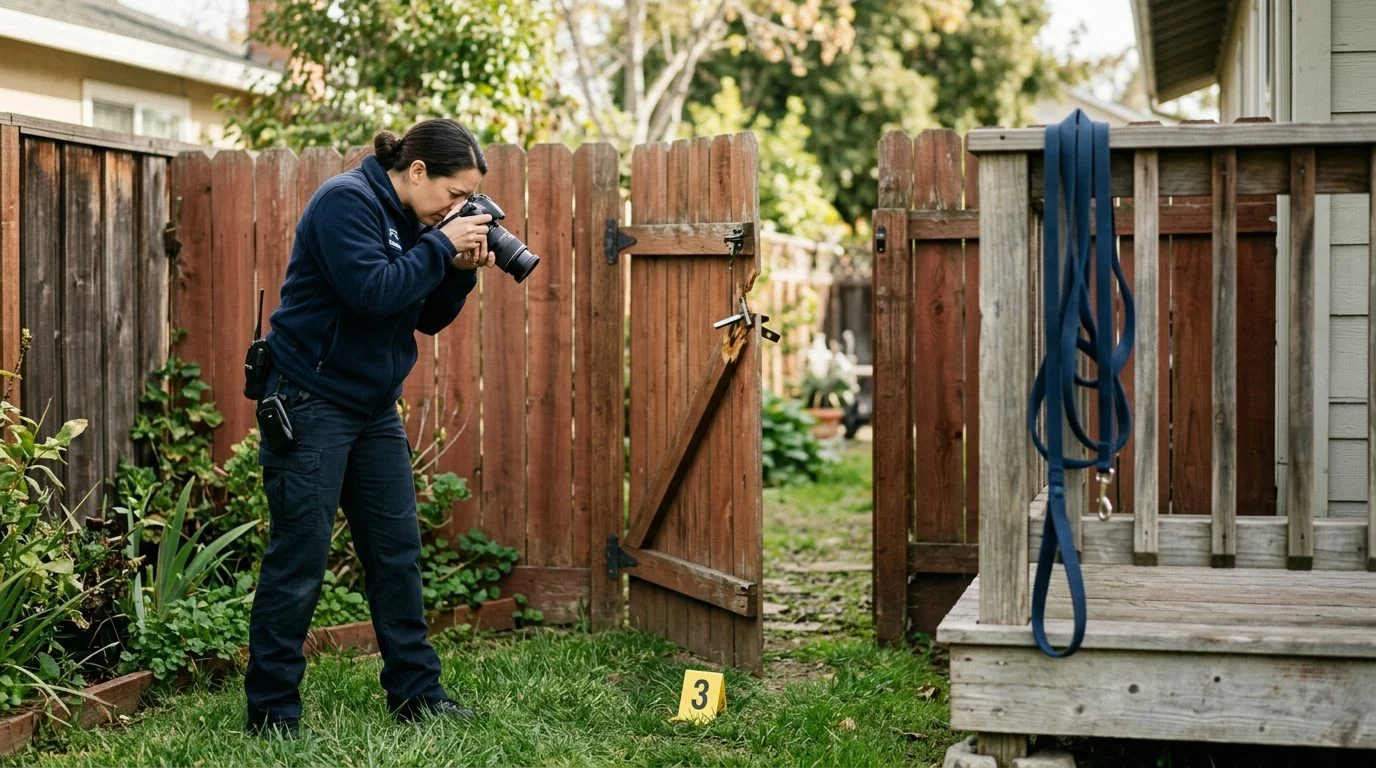
Take photos of the wound, the dog’s location, and the scene as soon as you safely can. Save receipts for medical care, and note any work you miss. Keep everything in one folder so nothing gets lost.

Talk with Colvin Accident Lawyers about your dog bite
If you’re waiting on a dog’s results, you don’t have to sort out the rules alone. Bites are stressful, especially when the dog belongs to someone else or a child was hurt. Colvin Accident Lawyers, based in Bakersfield, can talk through the bite, the observation period, and your options. The firm offers a free first consultation that is confidential and carries no obligation to continue. Contact Colvin Accident Lawyers to start that conversation. You can also read our dog bite lawyer page for the wider picture.
Frequently asked questions
What is the 10 day rule in dog bite cases?
It is a 10-day observation period in which the biting dog is watched for signs of illness. It is a public health measure.
Is the 10 day rule a legal deadline?
No. It is not a court order or a deadline to file a lawsuit.
How long do you have to file a dog bite claim in California?
California gives two years for an action for injury caused by another’s wrongful act or neglect. How that time limit applies depends on the facts of each case.
Steps to Take After a Dog Bite
Get medical care
See a doctor or urgent care promptly, even if the wound looks minor. Bites can become infected, and some injuries are not visible at first.
Record what happened
Write down the date, time, and place of the bite. Note the dog's description, the owner's name if you know it, and any witnesses.
Keep your records
Save medical bills, photos of your injuries, and any messages or documents about the dog or the incident.
Talk with a lawyer
Contact Colvin Accident Lawyers to discuss the facts of your situation. A lawyer can explain how the 10-day observation period may fit into your case.
How We Can Help
Plain-language answers
We explain dog bite questions in clear terms so you can make informed decisions about your next steps.
Injury cases only
Our firm focuses on accident and injury matters, including dog bites, car and truck crashes, pedestrian and bicycle accidents, and wrongful death.
Free first consultation
Your first consultation is free, confidential, and carries no obligation to continue.
Important: Do Not Wait to Get Care
Seek medical attention for any dog bite right away, and keep following your doctor's advice.