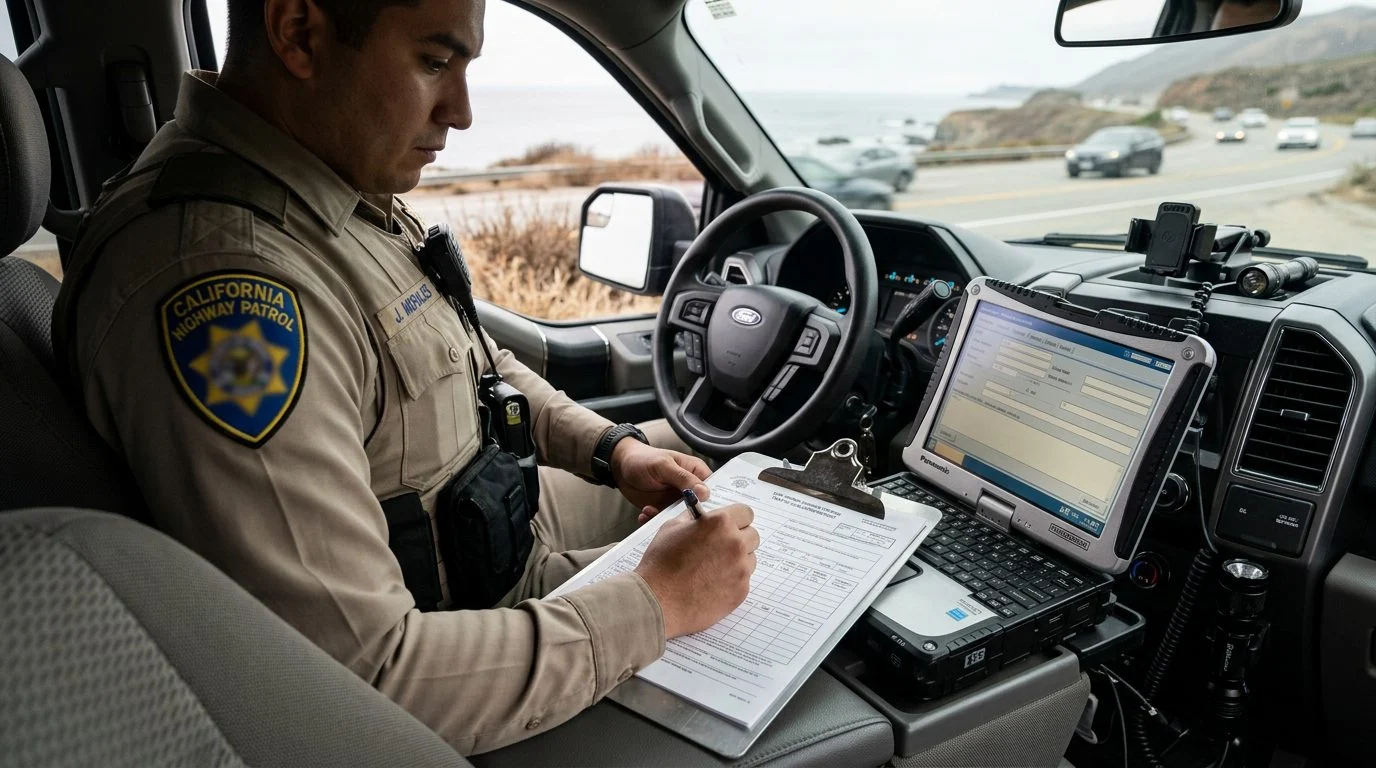
Bakersfield, CA | Fatal Crash Reports
Need a CHP Fatal Crash Report? We Can Help You Get Started
Colvin Accident Lawyers helps families in Kern County and nearby communities understand how to request a California Highway Patrol fatal crash report after a loss on the road.
By Donald Norman Colvin · Published November 8, 2026
Knowing how to get CHP fatal crash report California records is often the first practical step after a death on a state road. You can request the report from the California Highway Patrol online, by mail, or in person. The CHP’s current procedures control, so check them before you send anything. This guide explains what the report is, what it usually shows, and how it fits into the next decisions your family faces.
What a CHP Fatal Crash Report Is
A CHP fatal crash report is the record the California Highway Patrol makes when it investigates a crash that caused a death. It is separate from the driver’s own filing with the state.
Two reports often come up after a fatal crash. The first is the driver’s report. Under California Vehicle Code § 16000, a driver involved in a crash that causes more than $1,000 in property damage to any one person, bodily injury, or death must report it to the DMV within 10 days. The driver can file personally or through an insurance agent, broker, or legal representative. Many people call this the SR-1 report.
The second is the investigating agency’s crash report. The CHP report is the officer’s record of the investigation.
It is one of the first official records that describes the crash.
Not sure what your next step is?
Talk it through with our team — the first consultation is free, confidential, and carries no obligation.
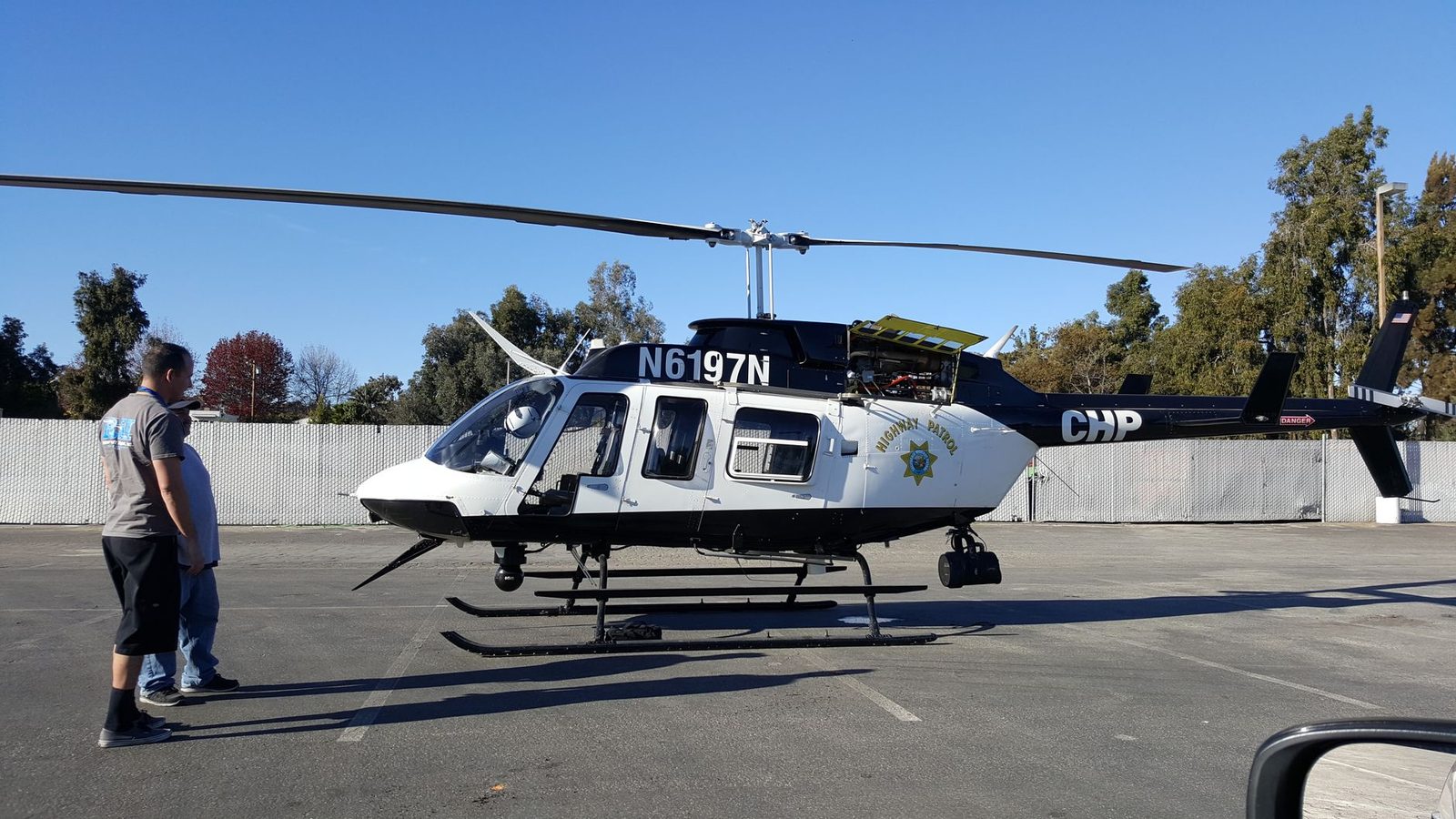
What a Fatal Crash Report Contains
A CHP crash report usually records the date, time, and location of the crash. It also lists the vehicles and people involved and the officer’s observations at the scene. Review the CHP report you receive carefully against your own account of the collision.
Common items include:
- Date, time, and location, including the road and direction of travel
- Vehicles, drivers, passengers, pedestrians, or cyclists involved
- Injury and fatality information recorded at the scene
- The officer’s narrative and a collision diagram
- Conditions such as weather, lighting, and road surface
The report reflects what the investigating officer recorded. Families can read the narrative and compare it with what they know about the crash. If the report differs from what you saw or heard, write that down and bring it up with a lawyer.
Ways to Request the Report
You can request a CHP crash report online, by mail, or in person at the CHP office that handled the crash. You can find information about requesting a crash report on the CHP’s request page.
Online. Use the steps on the CHP’s current request page.
By mail. A mailed request is a written request. Include the details you have about the crash and the identification and payment the CHP asks for. Information about CHP collision reports is available in the CHP’s collision report guidance.
In person. Visit the CHP office that investigated the crash. Bring the same information you would include in a mailed request.
Check the CHP’s current steps before you submit anything.
Information to Have Ready Before You Request
Have the crash date, time, and location ready before you start. Names of the people involved and any case or report number help the CHP find the file.
- Date and time. Use the best estimate if you do not know the exact time.
- Location. Include the highway, the city or county, and the nearest landmark or exit.
- People and vehicles. Include the names of the deceased person and the drivers, plus the vehicles if you know them.
- Reference numbers. Include any report or case number from the scene or a follow-up call.
- Proof of your role. Be ready to show your relationship to the deceased person or your authority to act for the estate. The CHP guidance explains the identification steps.
Gather these items before you request the report. Missing details can slow the search.
How the Report Fits Into a Wrongful Death Claim
A crash report is one piece of evidence. It does not decide by itself who was at fault. Fault depends on the facts of each case, including witness accounts, vehicle data, physical evidence, and the law that applies.
Time limits matter early. Under Code of Civil Procedure § 335.1, an action for the death of an individual caused by another’s wrongful act or neglect is brought within two years.
Who may sue also matters. Under Code of Civil Procedure § 377.60, a wrongful death claim may be asserted by the decedent’s surviving spouse, domestic partner (meaning someone who was in a registered domestic partnership with the decedent at the time of death), children, and issue of deceased children. If there is no surviving issue, the claim may be asserted by those who would inherit by intestate succession. Certain people who were dependent on the decedent may also bring it, such as a putative spouse, stepchildren, or parents. So may a minor who lived in the decedent’s household for the previous 180 days and depended on the decedent for half or more of their support. A personal representative may also bring the claim on their behalf.
An overview of who may bring a claim and what damages may be sought appears on our wrongful death lawyer page.
Criminal Cases and the Crash Report
A criminal investigation or prosecution can run at the same time as a civil wrongful death claim. The two follow different rules and different timelines.
Families may receive updates on a criminal case from the prosecuting agency. The crash report is often one of several records reviewed in that process.
Because the two tracks move on different schedules, ask early how each one affects the family’s decisions.
Not sure what your next step is?
Talk it through with our team — the first consultation is free, confidential, and carries no obligation.
Frequently Asked Questions About CHP Fatal Crash Reports
What is the difference between the SR-1 and the CHP crash report?
Under Vehicle Code § 16000, the driver of a motor vehicle involved in an accident on a street or highway that resulted in damage to any one person’s property in excess of $1,000, in bodily injury, or in death must report the accident within 10 days, either personally or through an insurance agent, broker, or legal representative, on a form approved by the department. A report is not required if the vehicle was owned or leased by, or under the direction of, the United States, this state, another state, or a local agency. Cal. Veh. Code § 16000 reads: “(c) If none of the parties involved in an accident has reported the accident to the department under this section within one year following the date of the accident, the department is not required to file a report on the accident and the driver’s license suspension requirements of Section 16004 or 16070 do not apply.”
Which agency do I contact for the report?
Contact the agency that investigated the crash. On many state highways, that agency is the California Highway Patrol.
What should I bring when I request a fatal crash report?
Bring the crash date, location, names, and any case or report number you have. Also bring proof of your role, such as a document showing your authority for the estate or family.
Does the crash report decide who was at fault?
No. The report records the officer’s findings, and fault in a civil claim depends on the facts of the case.

Talk With Colvin Accident Lawyers About Your Family’s Case
If your family is sorting out a fatal crash on a California road, the report is only one of several decisions ahead. Colvin Accident Lawyers, based in Bakersfield, can talk through the crash, the report, and whether a wrongful death claim may fit your situation. Our first consultation is free, confidential, and carries no obligation to continue. Reach out through our contact page to start the conversation.
Colvin Accident Lawyers, Bakersfield, California — responsible for this site. Donald Norman Colvin is the responsible lawyer for this page.
Why the CHP Report Matters
A Detailed Record
The report documents the parties, vehicles, roadway conditions and the officer's observations at the scene.
Protecting Your Claim
Having the official report early helps us evaluate the facts of your case and prepare your claim.
Support for Families
We understand that a fatal crash is devastating, and we handle the paperwork so your family can focus on each other.
Before You Speak With an Insurance Company
Insurance adjusters may ask for recorded statements soon after a crash. Keep every report, letter, photo and receipt, and talk with a lawyer before you give a statement or sign anything.
Steps to Requesting a CHP Fatal Crash Report
1. Gather Case Details
Collect the date, time, location and names of those involved. Any case or incident number you have will also help.
2. Identify the Responding Agency
Confirm which law enforcement agency responded. The CHP handles many highway crashes, but local police or sheriff's offices may have investigated others.
3. Submit Your Request
Follow the required request process for the agency and provide the information it asks for to locate the correct report.
4. Review It With Your Lawyer
Once you have the report, bring it to a consultation. We will explain what it contains and how it fits into your next steps.