Wrongful Death | Bakersfield, CA
How a Wrongful Death Lawsuit Is Filed in California
A family that has lost someone often has questions about what comes next. Here is a plain-language overview of the process, and how our team can help you take the next step.
By Donald Norman Colvin · Published November 17, 2026
If someone you love died because of another person’s negligence, you may be learning how this works while still grieving. Here is the short answer. An eligible survivor, or a personal representative acting for the estate, files a civil complaint in court, generally within two years of the death (Code Civ. Proc. § 335.1). This guide explains who may file, the deadlines, the steps, and what comes next.
What a Wrongful Death Lawsuit Is
A wrongful death lawsuit is a civil case that the persons listed in the statute, or the decedent’s personal representative on their behalf, may bring after a death caused by another party’s wrongful act or neglect. It asks for money damages, not criminal punishment. Criminal charges are brought by the government, not by the family.
Many of these cases start with a crash or injury. They include deaths in car, truck, motorcycle, bicycle, pedestrian, and bus accidents, dog attacks, premises incidents, and catastrophic injuries that later cause death.
A related claim, called a survival action, seeks the losses the person suffered before dying. Under Code Civ. Proc. § 377.34. those damages generally do not include pain, suffering, or disfigurement, unless the action was granted a preference under Section 36 before January 1, 2022, or was filed on or after January 1, 2022 and before January 1, 2026.
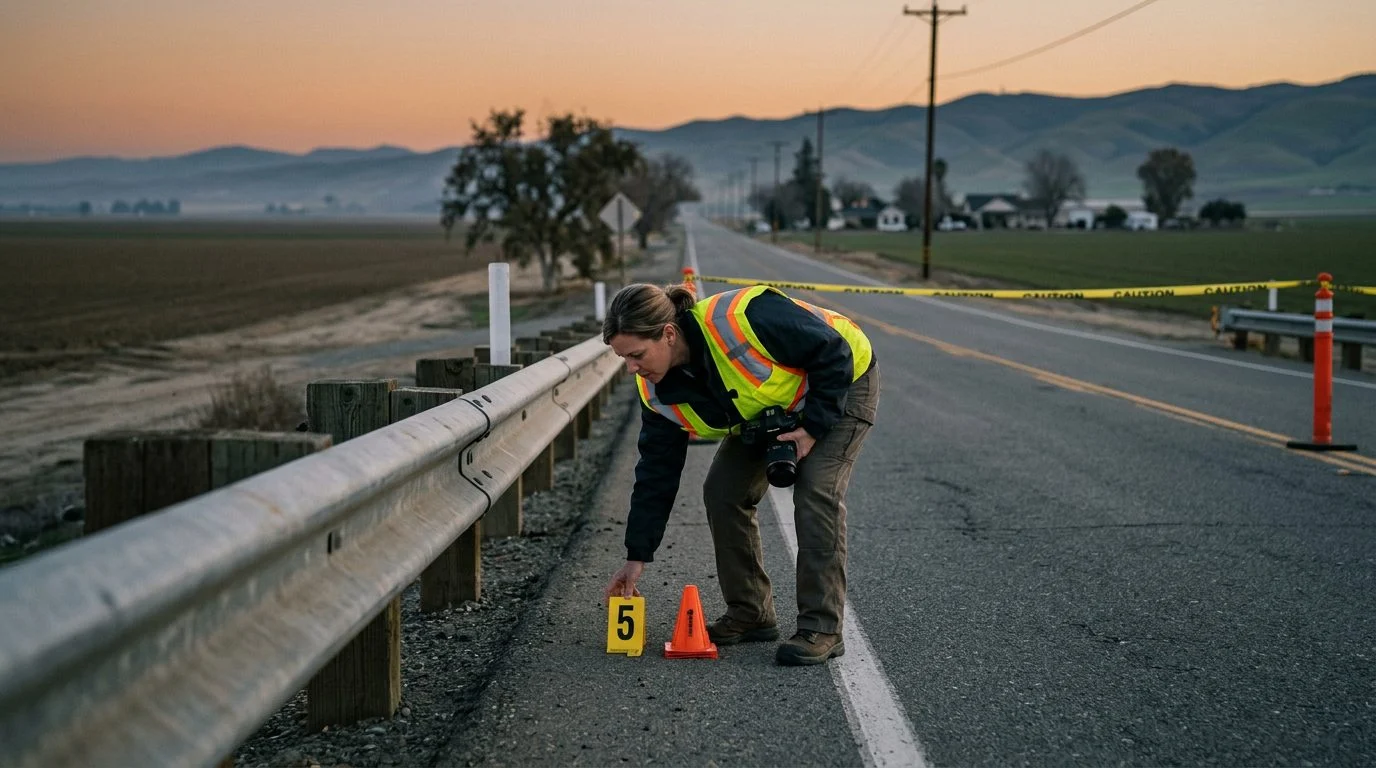
Evidence fades fast. Crash reports, photos, witness names, and medical records are easier to collect early, so start gathering them now.
Losing someone you love is hard, and you don't have to work out the filing steps alone; our team can talk them through with you. Talk it through with our team — the first consultation is free, confidential, and carries no obligation.
Who Can File a Wrongful Death Claim in California?
The surviving spouse, domestic partner, and children of the person who died may file, and so may others who were dependent on the decedent, including a putative spouse (the surviving spouse of a void or voidable marriage who is found by the court to have believed in good faith that the marriage to the decedent was valid), stepchildren, parents, or legal guardians if the parents are deceased. Under Code Civ. Proc. § 377.60. children of a child who has died are included too. If there are no surviving children or descendants, the people who would inherit the property under intestate succession (the state’s default inheritance rules) may file.
Other people can qualify if they were dependent on the person who died: a putative spouse (the surviving spouse of a void or voidable marriage whom the court finds believed in good faith that the marriage was valid), children of the putative spouse, stepchildren, parents, or the legal guardians of the decedent if the parents are deceased. It covers a minor who lived in the decedent’s household for the previous 180 days and received at least half of their support from the decedent.
A claim may be asserted by the surviving spouse, domestic partner, children, or other persons listed in the statute, or by the personal representative of the estate on their behalf. Under Code Civ. Proc. § 377.30. a cause of action that survives the death of the person entitled to commence an action, such as a survival action, passes to the decedent’s successor in interest, subject to Chapter 1 (commencing with Section 7000) of Part 1 of Division 7 of the Probate Code, and the action may be commenced by the decedent’s personal representative or, if none, by the decedent’s successor in interest.
The court decides how an award is divided among those entitled to sue, under Code Civ. Proc. § 377.61.
Filing Deadlines: The Two-Year Rule and Shorter Public Claims
A wrongful death lawsuit generally must be filed within two years. Code Civ. Proc. § 335.1. sets a two-year period for actions for the death of an individual caused by another’s wrongful act or neglect.
Code Civ. Proc. § 335.1 provides that, within two years, an action may be brought for assault, battery, or injury to, or for the death of, an individual caused by the wrongful act or neglect of another. Mark the two-year date on your calendar as soon as you can.
If a city, county, transit agency, or other public body may be responsible, the deadline is much shorter. Under Gov. Code § 911.2. a claim relating to a death must be presented not later than six months after the cause of action accrues.
The exact deadline depends on the facts of each case, so act early. Cal. Code Civ. Proc. § 335.1 provides: “Within two years: An action for assault, battery, or injury to, or for the death of, an individual caused by the wrongful act or neglect of another.”
Step by Step: How the Lawsuit Is Started
A wrongful death lawsuit starts when a complaint is filed with the court and each defendant is served. Here is the usual sequence.
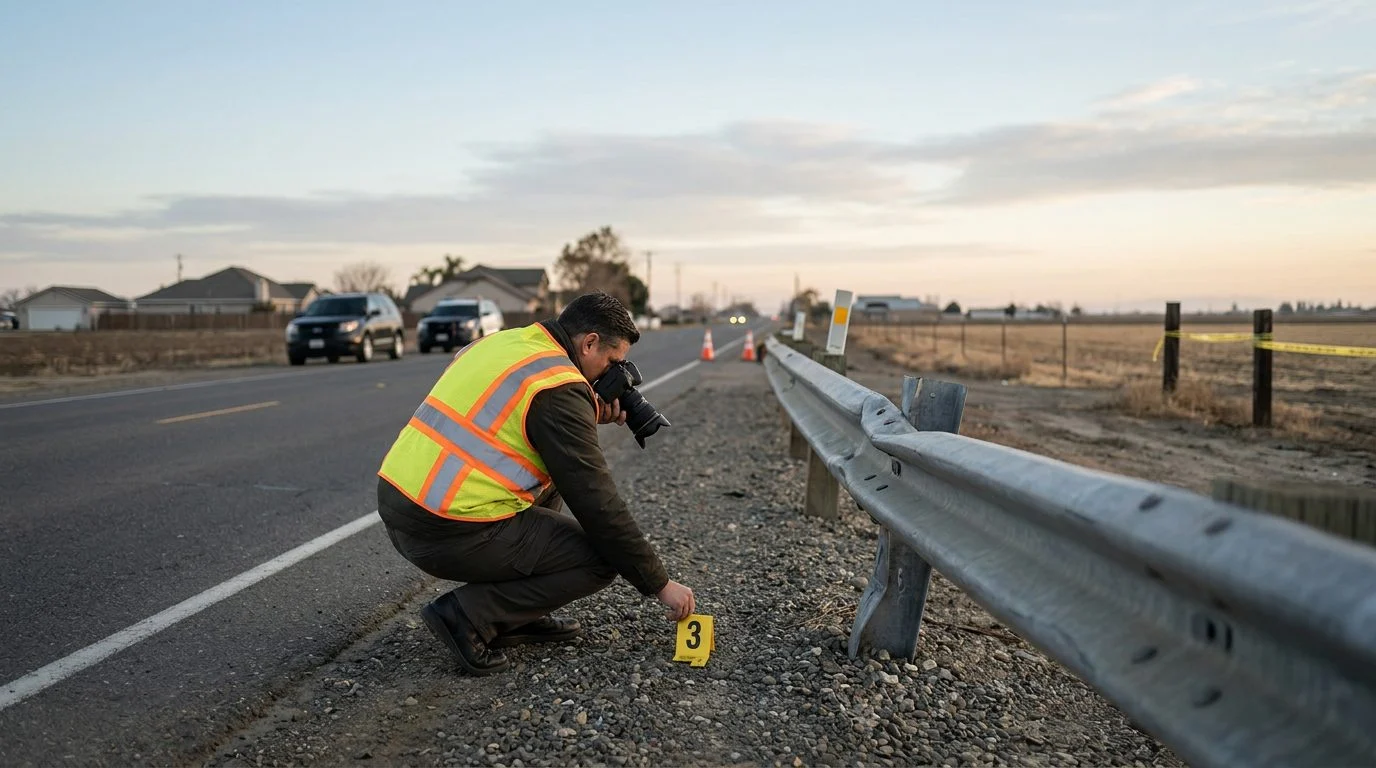
- Gather records. Collect the death certificate, the police or incident report, medical and coroner or autopsy records, and any photos or video of the scene.
- Name every party who may be responsible. This can include a driver, a vehicle owner, an employer, a property owner, or a public entity. The complaint must name the right defendants.
- Confirm who signs. The eligible survivors, or the personal representative on their behalf, bring the wrongful death claim; the personal representative or successor in interest acts as plaintiff on the decedent’s own survival claim.
- Calendar both deadlines. Mark the two-year date and any six-month public claim date.
- File the complaint. The Judicial Council form PLD-PI-001 covers personal injury, property damage, and wrongful death complaints. Where a case is filed depends on the facts of each matter, such as where the defendant resides or where the injury occurred.
- Serve and prove service. Deliver the summons and complaint to each defendant under California procedure, then file proof of service.
A demand letter to an insurer can run at the same time. It does not replace filing the lawsuit on time.
What the Complaint Must Show: Fault and Losses
A complaint must state the facts of the claim in ordinary, concise language and say what relief is sought, under Code Civ. Proc. § 425.10. For a personal injury or wrongful death action, the amount demanded is not stated in the complaint.
Fault is usually shown under the general duty of care. Civil Code § 1714. makes a person responsible for injury caused by want of ordinary care. Cal. Civ. Code § 1714 reads: “(a) Everyone is responsible, not only for the result of his or her willful acts, but also for an injury occasioned to another by his or her want of ordinary care or skill in the management of his or her property or person, except so far as the latter has, willfully or by want of ordinary care, brought the injury upon himself or herself.”
Shared fault matters too. The California jury instruction on comparative fault of the plaintiff, CACI Comparative Fault of Plaintiff, provides: “If [name of defendant] proves the above, [name of plaintiff]’s damages are reduced by your determination of the percentage of [name of plaintiff]’s responsibility.”
Survivors’ losses and the decedent’s losses before death follow different rules. The complaint should keep them separate. Keep bills, receipts, and income records so you can show each loss.
What Happens After the Lawsuit Is Filed
After filing, the defendants respond, and the case moves into discovery, settlement talks, and possibly trial. Each stage can change the path of the case.
A court can dismiss parts of a civil case on specific legal grounds, so timely, accurate filings matter.
It may also include technical review of the crash or the cause of death.
Many cases settle through talks or mediation (a neutral person helping both sides talk). Others go to trial. Timelines vary widely from case to case.
If the person who died was on Medicare, the claim must be reported. CMS says a beneficiary, through an attorney or otherwise, must notify Medicare when a claim is made against an alleged at-fault party’s liability insurance. This is done through the MSP Recovery Portal or the BCRC. Medicare payments made on the claim must be repaid from a settlement, judgment, or other payment, according to the CMS secondary payer overview.
Not sure what your next step is?
Talk it through with our team — the first consultation is free, confidential, and carries no obligation.
Common Questions About Filing a Wrongful Death Case
What is a wrongful death lawsuit?
It is a civil case that the persons listed in the statute, or the decedent’s personal representative on their behalf, may bring after a death caused by another party’s wrongful act or neglect. It seeks money damages, not criminal punishment.
Who can file a wrongful death claim?
Eligible survivors, such as a spouse, domestic partner, or children, may file. A personal representative can file on behalf of the eligible survivors listed in the statute, under Code Civ. Proc. § 377.60.
Can you still sue after ten years?
In most cases, no, because the general limit is two years. Exceptions and tolling can apply, so act early.
Does a claim against a city or county have a shorter deadline?
Yes. A claim relating to a death against a public entity must be presented within six months, under Gov. Code § 911.2.
Do I have to pay to talk about my case?
The first consultation is free, confidential, and carries no obligation to continue.
What should I bring to a first meeting?
Bring the death certificate, the incident or police report, medical and coroner records, any photos or video, and any bills or insurer letters you have received.
Talk With Colvin Accident Lawyers About Your Family’s Next Step
If you are facing a sudden death, you may be deciding who should act and how quickly. You do not have to sort out the steps alone.
Colvin Accident Lawyers is a personal injury firm based in Bakersfield, California. The firm handles wrongful death, car, truck, motorcycle, bicycle, pedestrian, bus, dog bite, premises liability, and catastrophic injury cases. It serves families in Kern County and nearby communities, including Fresno, Visalia, Lancaster, Palmdale, Delano, and Tehachapi. Donald Norman Colvin is the responsible lawyer for this page.
If the two-year date or a six-month public claim date is on your mind, contact our team now or call the office to request a case consultation.
Why Families Contact Colvin Accident Lawyers
Free First Consultation
The initial consultation is free, confidential, and carries no obligation to continue.
A Compassionate Approach
We understand that a sudden death brings grief, stress, and many unanswered questions. We take the time to listen.
Clear Explanations
We explain the steps of a wrongful death claim in plain language so you can make informed decisions.
Rooted in Kern County
Based in Bakersfield, we represent families in Kern County and nearby communities, including Fresno, Visalia, Lancaster, Palmdale, Delano, and Tehachapi.
Confidential Conversations
What you share with us about your loved one and your situation is kept confidential.
Every Case Depends on Its Own Facts
This page is general information, not legal advice. Reading it does not create an attorney-client relationship. The steps that apply to your family depend on the facts of your situation, so contact us to discuss it.
How We Can Help Your Family
We Listen First
We start by hearing what happened and what your family is facing, at a pace that works for you.
We Review the Facts
We gather and review the information surrounding the death, including records and reports, to understand the circumstances.
We Explain Your Options
We walk you through the legal process, what a wrongful death lawsuit involves, and what questions to consider.
We Keep You Informed
Throughout the process, we keep you updated and answer your questions as they arise.