Kern County Fatal Crash Guide
What Happens After a Fatal Crash in Kern County
A clear, step-by-step look at the coroner's role, the reports families may need, and when to bring in a lawyer.
By Donald Norman Colvin · Published November 9, 2026
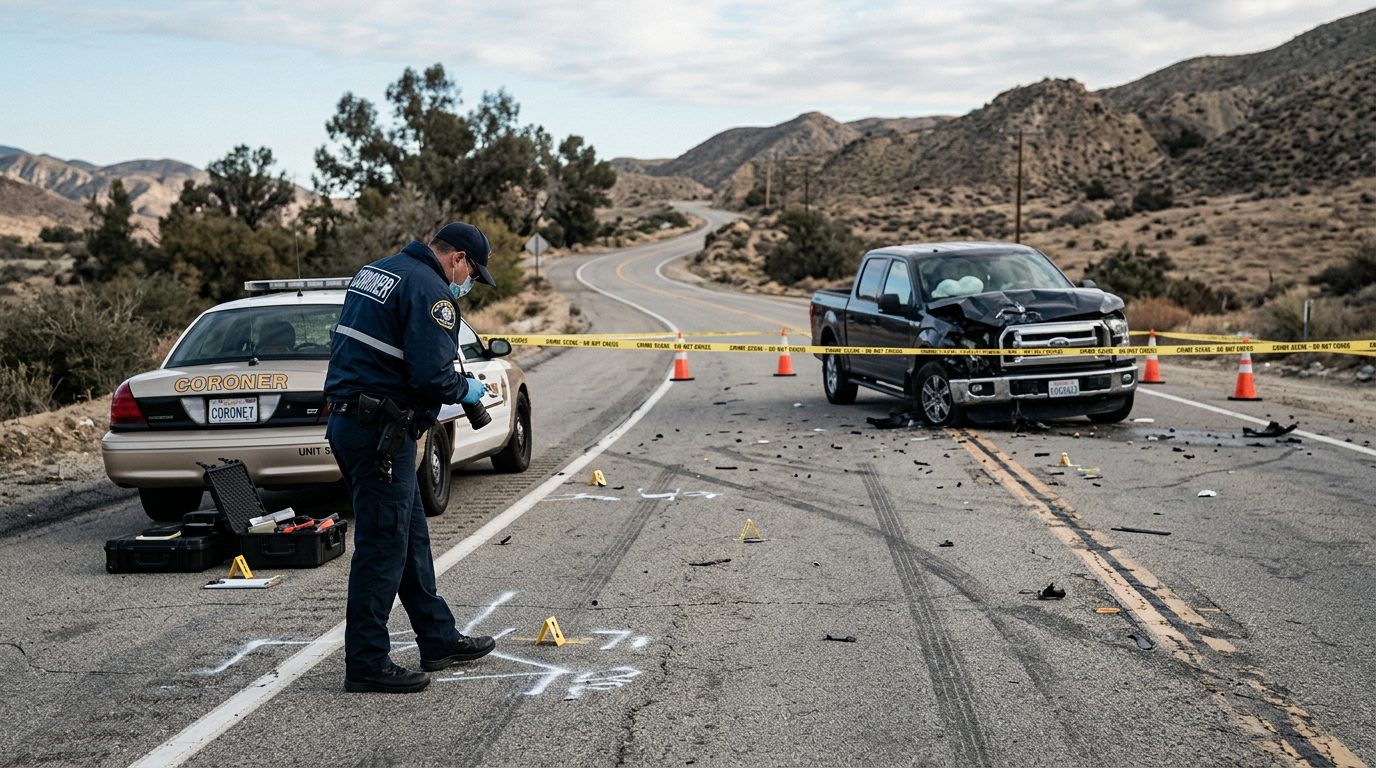
Losing someone in a crash is hard enough. Then come the agencies, the reports, and the questions about what happens next. In a Kern County fatal crash, the coroner and the investigating police agency both examine the death, but they answer different questions.
After a sudden death, the Kern County coroner determines the cause and manner of death. The California Highway Patrol or local police investigate how the crash happened. This guide explains each step, what autopsy and toxicology results may show, and which records matter if a wrongful death claim follows.
What the Kern County Coroner Does After a Fatal Crash
The Kern County coroner investigates deaths that occur under violent or unusual circumstances. A fatal crash fits that description. The office answers three basic questions: who died, what caused the death, and how the death is classified.
The coroner does not decide who caused the crash. That question belongs to the agency that studies the roadway, the vehicles, and the drivers. Families often receive both sets of paperwork and assume one answers the other. It doesn’t.
- Coroner: identity, cause and manner of death, autopsy findings, and toxicology results.
- CHP or local police: the crash report, scene measurements, witness statements, and any citations.
For context, Caltrans annual collision data tracks fatal crashes on the California State Highway System. That public data shows trends across the state. It does not explain any single death.
Knowing which agency holds which record makes the next steps easier to follow. If you are the family member who got the call, this section is your starting point.
If your family is waiting on coroner findings after a Kern County crash, reach out to Colvin Accident Lawyers to talk through the records and deadlines that may apply. Talk it through with our team — the first consultation is free, confidential, and carries no obligation.
Notification, Scene Response, and Transport of the Body
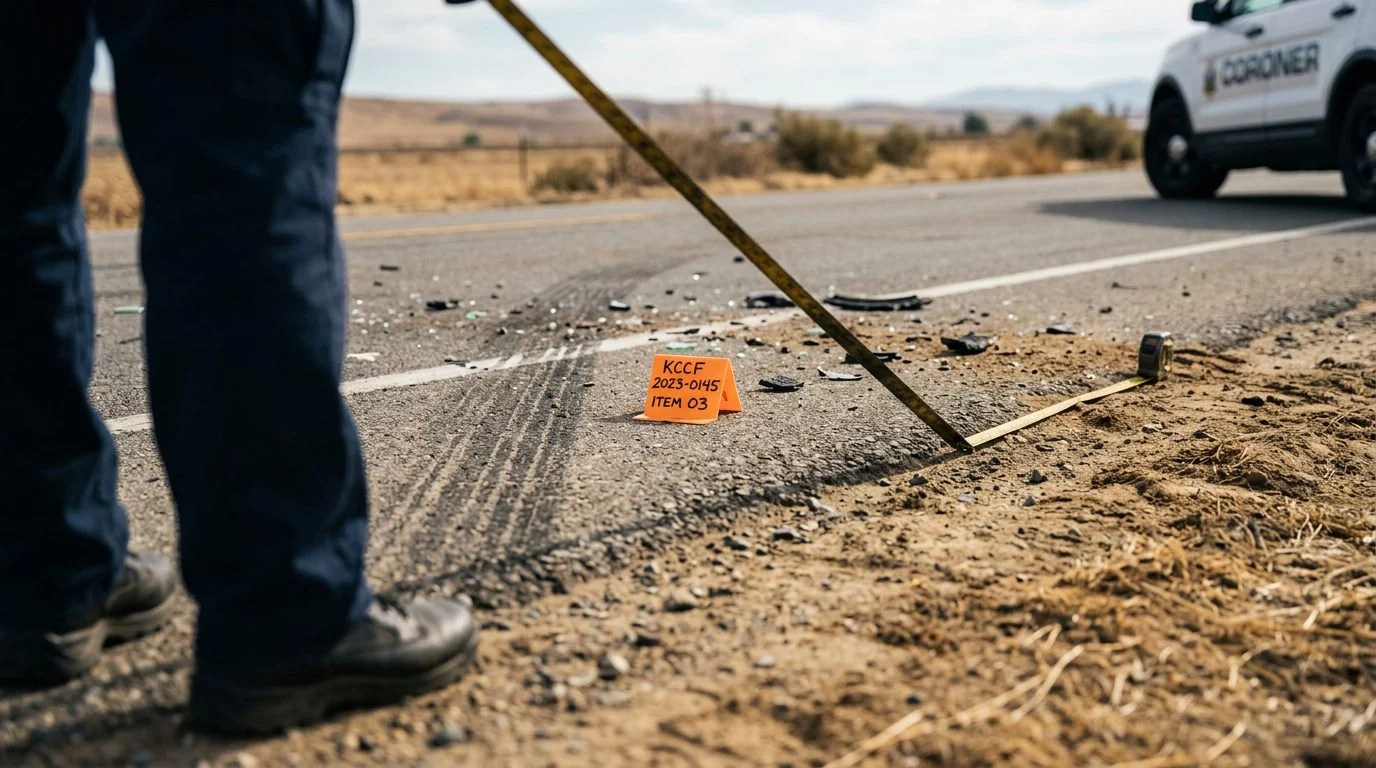
After a fatal crash, the death is reported to the coroner. The coroner takes custody of the body and works to confirm who the person is. Officers and fire crews at the scene often make the first report.
Identification can take time. A damaged vehicle, a crowded scene, or a person who carried no ID can slow the process. Families are typically notified once the office has confirmed who died.
The body then moves to the coroner’s facility. It generally stays in the coroner’s custody until the initial review is complete. Families should not assume a funeral home can collect the body right away.
Ask the coroner’s office when release is expected and what it needs from the family. Keep a simple log of each call, the date, and the name of each person you speak with. Several agencies can be involved, and details slip away fast. Notes like these help later when you request reports from different agencies.
Autopsy, Cause of Death, and Manner of Death
In a crash death, the coroner may order an autopsy. The goal is to find the injuries that caused the death and the order in which they happened. The examiner looks for internal trauma, fractures, and other injuries that show how the body was hurt.
Two terms matter. Cause of death is the injury or condition that led to the death. Manner of death is the classification, such as accident, homicide, suicide, natural, or undetermined.
Manner of death is a classification, not a finding of fault.
Coroner findings should line up with the physical evidence. Injury patterns can be compared with vehicle damage, seat belt use, and crash reconstruction. When the pieces don’t match, families should ask questions and request the full report.
Ask for the full autopsy report, not only the summary. Reading the findings in full context is what makes them useful.
Toxicology Testing: What Blood and Drug Results May Show
Toxicology testing checks blood and other samples for alcohol and drugs. Results may be reported as a measured amount or as present or absent, depending on the test.
Alcohol and drug results matter because California law restricts impaired driving. Under Vehicle Code § 23152, it is unlawful to drive with 0.08 percent or more alcohol in the blood. It is also unlawful to drive under the influence of any drug. Drivers of commercial motor vehicles, as defined in Section 15210, face a lower limit of 0.04 percent when driving one.
A test result alone does not settle what happened.
Results can take a long time. The San Bernardino County Sheriff’s coroner page says a pending death investigation may take six months to one year. That is a different county, so ask the Kern County office for its current status. Do not draw firm conclusions from a single preliminary report.
Coroner Records, Death Certificates, and How They Fit a Wrongful Death Claim
Families usually request the death certificate, the coroner’s investigative report, and the autopsy and toxicology reports. These records form the medical and factual base for a claim.
Who may bring the claim? Under Code of Civil Procedure § 377.60, a wrongful death claim may be brought by the decedent’s surviving spouse, domestic partner, children, and issue of deceased children, or, if the decedent left no surviving issue, by the persons who would inherit the decedent’s property by intestate succession (such as parents), including the surviving spouse or domestic partner. Other persons may also bring the claim under conditions set by the statute, including dependent parents, a putative spouse, stepchildren, the decedent’s legal guardians if the parents are deceased, and certain minors who lived in the decedent’s household for the previous 180 days and depended on the decedent for one-half or more of their support. The decedent’s personal representative may also bring it on their behalf.
The general deadline is two years. Code of Civil Procedure § 335.1 sets a two-year limit for an action for the death of an individual caused by another’s wrongful act or neglect.
Public agencies follow shorter rules. If a county road or another public entity may share responsibility, Government Code § 911.2 requires a claim for a death to be presented not later than six months after the cause of action accrues. Ask about this early.
Sympathy is treated differently from fault. Under Evidence Code § 1160, expressions of sympathy made to a person involved in an accident or to that person’s family, relating to their pain, suffering, or death, cannot be used as an admission of liability in a civil action. A statement of fault can be used.
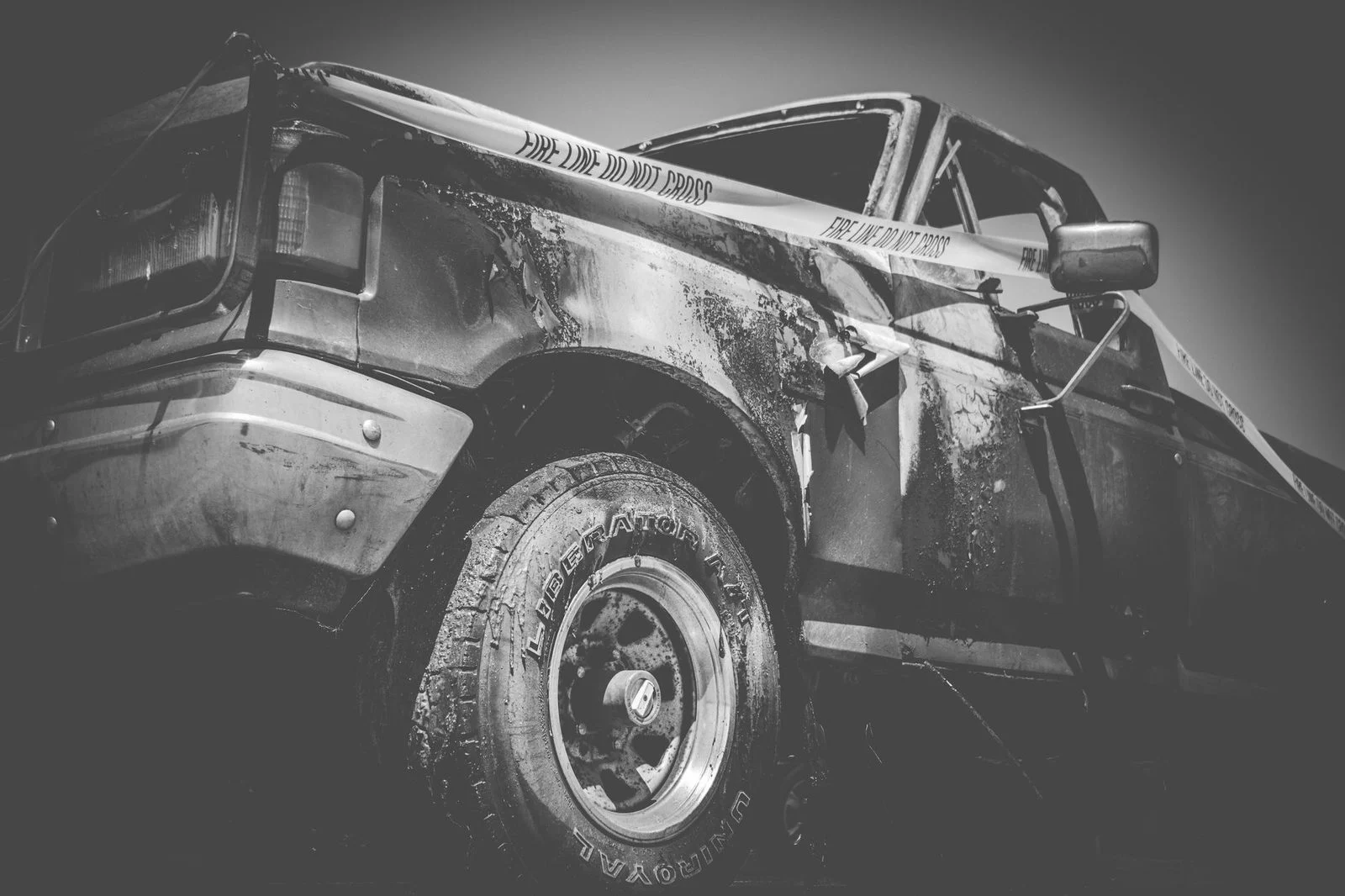
Vehicles are often moved to storage yards. Ask who has custody of the vehicle, and keep written records of where it is and who can access it.
How Colvin Accident Lawyers Handles Coroner Records in a Wrongful Death Case
Colvin Accident Lawyers helps families review coroner, police, and medical records as part of a wrongful death matter. Donald Norman Colvin is the responsible lawyer for this page.
The firm is based in Bakersfield, California. It represents families in Kern County and nearby communities, including Fresno, Visalia, Lancaster, Palmdale, Delano, and Tehachapi.
Our team can request the coroner, police, and medical records and organize them. A review usually includes the coroner’s file, the crash report, and medical records, so the timeline stays clear. Bringing those records together early can help you see which deadlines may apply to your family.
No lawyer can say in advance how a claim will turn out. Results depend on the facts of each case. Our first consultation is free, confidential, and comes with no obligation to continue.
Not sure what your next step is?
Talk it through with our team — the first consultation is free, confidential, and carries no obligation.
Frequently Asked Questions and a Next Step
Here are short answers to questions families often ask after a fatal crash.
Does the coroner decide who was at fault?
No. The coroner determines cause and manner of death, and fault is a separate legal question.
How long do coroner results take?
Timing varies by case. Ask the coroner’s office for the current status.
Can a family get the coroner’s report before filing a claim?
Families can ask a lawyer to help request and review these records during a consultation.
Are claim deadlines the same for every crash?
No. A claim against a public agency for death or for injury to person or personal property has a six-month deadline under Government Code § 911.2, while other claims against a public agency must be presented not later than one year after the accrual of the cause of action, and a wrongful death claim against a private party generally falls under the two-year period in Code of Civil Procedure § 335.1.
If you’re waiting on coroner findings after a fatal crash in Kern County and you’re unsure about the records or deadlines, call Colvin Accident Lawyers or send a message through our contact page to talk through your situation.
How Colvin Accident Lawyers Can Help Your Family
Plain-language answers
We explain coroner findings, reports and legal terms in words you can use while you are grieving.
Confidential conversations
Your first consultation is confidential, and it comes with no obligation to continue.
Support for surviving families
We focus on the families of people killed in car, truck, motorcycle, bicycle, pedestrian and bus crashes across Kern County and the surrounding communities.
Help organizing the facts
We can help you gather the records, reports and dates that matter for the next steps in your case.
Important: Cause of Death Is Not the Same as Fault
The coroner determines the cause and manner of death. Who was at fault for the crash is a separate legal question, and it is not answered by the coroner's report alone.
Questions Families Often Ask
Does the coroner decide who was at fault?
No. The coroner focuses on cause and manner of death. Fault is a legal question that is evaluated separately.
How long do coroner results take?
Timing varies from case to case. The Kern County Coroner's Office can give you the current status of your loved one's case.
Can we get the coroner's report before deciding on a claim?
Families often ask this early on. We can talk through what records are available and what they may show.
Do I need a lawyer right away?
Many families choose to talk with a lawyer early so they understand their options. Your first consultation is free and confidential.