Wrongful Death · Bakersfield, CA
Losing a loved one in a crash? Protect the vehicle before it disappears.
After a fatal collision, the car or truck can be moved, sold, or scrapped within days. Learn the steps that help keep it available for investigation.
By Donald Norman Colvin · Published November 9, 2026
Losing someone in a crash is hard enough. Now the car sits at a tow yard, and storage notices keep arriving. To preserve a vehicle after a fatal crash in California, ask the holding location in writing to keep it, and don’t let it be repaired, sold, or released until you understand what it may show.
This guide explains the choices in front of the family, the steps to take now, and how to protect personal belongings still inside the car.
Who this page is for and what it covers
This page is for families whose loved one died in a crash and whose vehicle is now held by police, a tow yard, or an impound lot. You may be a surviving spouse, an adult child, or a personal representative making decisions about the car.
The same steps apply across the crash types we handle:
- Car and truck crashes
- Motorcycle and bicycle crashes
- Pedestrian and bus cases, when a vehicle is held
- Wrongful death matters in general
The guide covers three things: keep, release, or inspect decisions; evidence the vehicle may hold; and personal belongings. It also lists written steps you can take now.
This is general information about California practice. It is not advice about your specific case, and the facts of your case control what applies.
If your loved one's car is still at a tow yard or impound lot and you're deciding whether to keep, release, or inspect it, we can talk through those choices with you. Talk it through with our team — the first consultation is free, confidential, and carries no obligation.

Why the vehicle can matter after a fatal crash
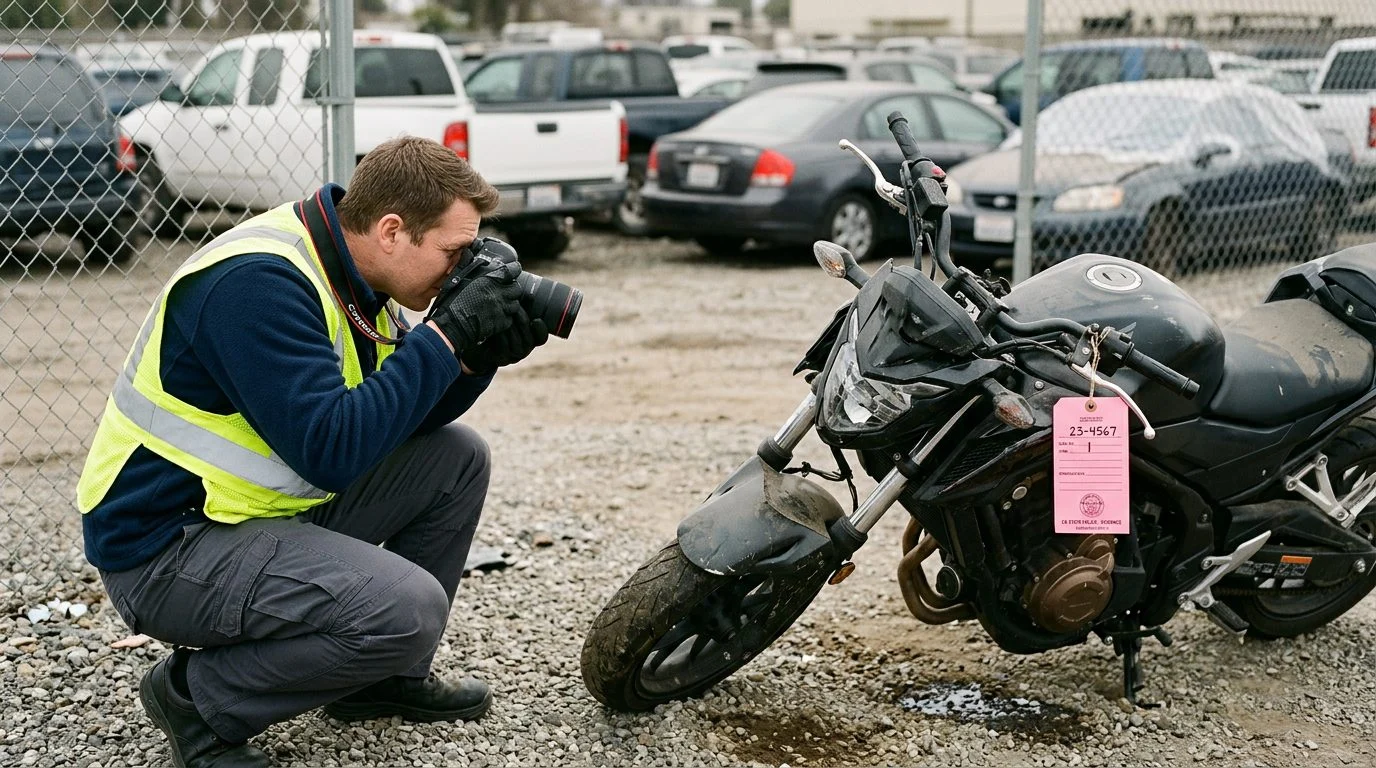
The vehicle itself is physical evidence. It can show information that fades or disappears over time.
- Damage patterns show how the impact happened.
- Tire and brake condition can matter to how the crash unfolded.
- Lighting and final rest position show where the vehicle ended up.
- Crash data may be stored in the airbag control module, which is often called an event data recorder.
Retrieving that data usually takes a qualified technician and careful handling. Repairs, crushing, salvage sales, or moves without records can change or erase what the vehicle holds.
You may not know yet whether the vehicle will matter for an investigation, an insurance claim, or a wrongful death claim. California law names who may bring a claim for a death, including a surviving spouse, domestic partner, children, and some dependents (California wrongful death statute). Because you may not know the path yet, protect the vehicle now.
Keep, release, or inspect: the choices in front of the family
Keeping the vehicle protects the evidence. Releasing it ends your access to it. Inspecting it lets you see and document it before anything changes.
- Keep: Ask the holding location in writing to hold the vehicle. Say what you want preserved and why, so the request is on record.
- Release: A vehicle is usually released only to an owner or an authorized person, often after proof of authority is shown. Once it leaves the lot, you may lose control over what happens to it.
- Inspect: Ask for a supervised inspection before any repair, salvage, or sale. Take photos and notes during the visit.
Ask the holding location these questions:
- Who holds the vehicle, and under what authority?
- What are the daily storage charges, and who pays them?
- Is there a deadline before the vehicle may be sold or destroyed?
- What documents will be needed before anyone can release it?
Make no decision on any form until you understand these answers.
Steps to take now and what to expect on the timeline
Start with a phone call, then confirm everything in writing. Keep a copy of every letter, receipt, and storage notice.
- Ask for the vehicle’s status. Call or visit the holding location. Ask where the vehicle is and whether a hold has been placed on it.
- Send a written preservation request. Date it, keep a copy, and send it to the tow yard, impound lot, or police agency that holds the car.
- Ask about storage charges in writing. Request the daily rate and any deadline before sale or destruction.
- Notify the insurer in writing. Say a claim may be involved and that the vehicle should not be salvaged without notice to you.
- Document the vehicle. Photograph the exterior, interior, and paperwork.
Check whether an SR-1 report was filed (California DMV accident reporting). Under California Vehicle Code § 16000, a driver involved in an accident on a street or highway, or in a reportable off-highway accident as defined in Section 16000.1, that results in damage to one person’s property exceeding one thousand dollars ($1,000), in bodily injury, or in a death must report the accident within 10 days after the accident, either personally or through an insurance agent, broker, or legal representative, on a form approved by the department, unless the motor vehicle involved in the accident was owned or leased by, or under the direction of, the United States, this state, another state, or a local agency (Cal. Veh. Code § 16000)
Storage costs can build while the family decides. Bring your letters and notices to a consultation with Colvin Accident Lawyers so we can review the timeline together.
Personal belongings: inventory, release, and chain of custody
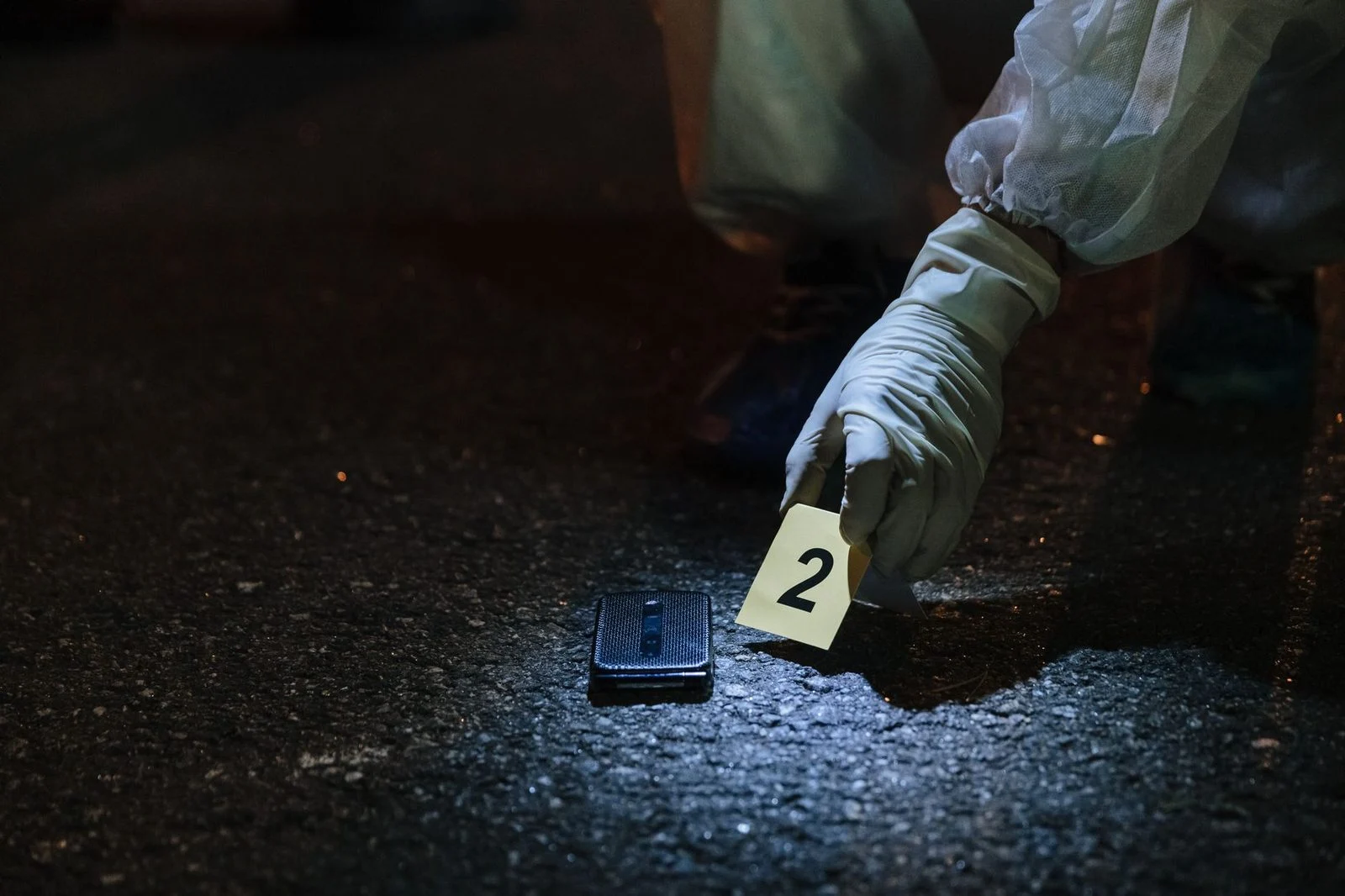
Personal items such as phones, bags, documents, medications, child seats, and tools may still be inside the vehicle. Inventory them before anyone removes them.
- List each item. Note its description and location in the car.
- Photograph items in place. Take photos before anything is moved.
- Record the time and people present. Name everyone who was at the lot during the inventory.
- Avoid removing anything without a record. Items may later matter as evidence.
- Ask how property is returned. The holding agency or tow yard will tell you what documents are needed.
Keep a chain-of-custody record for every item. That record shows who had each item, when, and where it went. Careful records help if an item later matters to the investigation or a claim.
Why families work with Colvin Accident Lawyers
Colvin Accident Lawyers is a personal injury firm based in Bakersfield, California. The firm handles car, truck, motorcycle, bicycle, pedestrian, bus, dog bite, premises liability, catastrophic injury, and wrongful death matters.
Donald Norman Colvin is the responsible lawyer for this page. The firm’s support staff helps with records and vehicle requests.
Our approach is plain:
- A written preservation request asks the other side to keep evidence related to the accident.
- Keeping a written record of each letter, notice, and response can help show what was communicated and when.
- Before signing any form, it helps to understand what each choice means.
Your first consultation is free, confidential, and comes with no obligation to continue. Every case depends on its own facts, and no outcome can be promised.
Not sure what your next step is?
Talk it through with our team — the first consultation is free, confidential, and carries no obligation.
Frequently asked questions
Can I still ask for a vehicle to be held if police released it to a tow yard?
Yes. You can send a written hold request to the tow yard or impound lot and ask who holds the car.
What if the vehicle was already sold for salvage?
Ask in writing for records of the sale and the buyer. Then review what options remain.
Who can get the car or belongings back?
Usually an owner or an authorized person. The holding agency decides which documents it requires.
Do I have to decide right away?
No, but storage charges can build, so an early review helps.
Closing note: Responsible lawyer: Donald Norman Colvin, Colvin Accident Lawyers, Bakersfield, California.
Steps to take right away
Send a written hold request
Write to the tow yard or impound lot and ask that the vehicle not be released, sold, or crushed while the matter is reviewed. Keep a copy of what you sent.
Ask who holds the vehicle
Get the name of the agency, tow company, or lot that has the vehicle, along with the address and any reference or lot number.
Request sale and transfer records
If the vehicle has been sold or moved, ask in writing for the records of the sale and the buyer, and keep every document you receive.
Talk with Colvin Accident Lawyers
Bring the tow receipts, letters, and any notices to a free consultation so the next steps can be reviewed for your family's situation.
Act before the vehicle is moved
Once a vehicle leaves the tow yard or is sold for salvage, it may be hard to locate. Put every request in writing and keep proof that you made it.
How Colvin Accident Lawyers can help
Focused on families
We represent the families of people killed in car, truck, motorcycle, bicycle, pedestrian, and bus collisions.
Organized record requests
Our team helps prepare written hold requests and records requests to tow yards, impound lots, and other holders of the vehicle.
Serving Bakersfield and nearby communities
We work with families across Kern County and nearby communities, including Fresno, Visalia, Lancaster, Palmdale, Delano, and Tehachapi.
Free, confidential first consultation
Your first consultation is free, confidential, and comes with no obligation to continue.