Bus Accident Lawyer | Bakersfield, CA
Lost a loved one in a city bus crash? You don't have to face the claims process alone.
Claims involving a city bus often follow procedures that differ from ordinary injury cases. Colvin Accident Lawyers helps families in Kern County, Fresno, Visalia, Lancaster, Palmdale, Delano and Tehachapi understand their options. Start with a free, confidential first consultation with no obligation to continue.
By Donald Norman Colvin · Published November 5, 2026
A claim against a city or public transit agency after a fatal bus crash often has a six-month deadline in California. That is much shorter than the two-year window for a lawsuit, so it is the clock to watch first. This guide covers the fatal city bus crash government claim deadline California families face, and what shapes each clock. Colvin Accident Lawyers is based in Bakersfield, California, and handles bus accident and wrongful death cases.
Why a Fatal City Bus Crash Starts With an Early Deadline
When a city, county, or other public bus is involved, the first deadline is usually a government claim, not a lawsuit. Public agencies are treated differently from private companies. California generally requires a written claim before a suit for money against a public entity can begin. Government Code § 945.4 says that, except as provided in Sections 946.4 and 946.6, no such suit may be brought until the claim has been presented and acted on by the public entity’s board, or deemed rejected.
For a death or personal injury, Government Code § 911.2 gives six months after the cause of action accrues. Treat that date as your working deadline from the first day. Late claims are possible only in limited cases, so waiting is risky. For the broader picture of these cases, see our wrongful death lawyer guide.
If a city or transit bus crash has left your family facing a government claim deadline, our team can review those dates with you. Talk it through with our team — the first consultation is free, confidential, and carries no obligation.

Who Might Be Liable in a Fatal City Bus Crash
Some accident cases involve more than one party. A public agency may be liable for an employee’s negligent act. Government Code § 815.2 makes a public entity liable for injury caused by an employee acting within the scope of employment, when that employee would otherwise be liable.
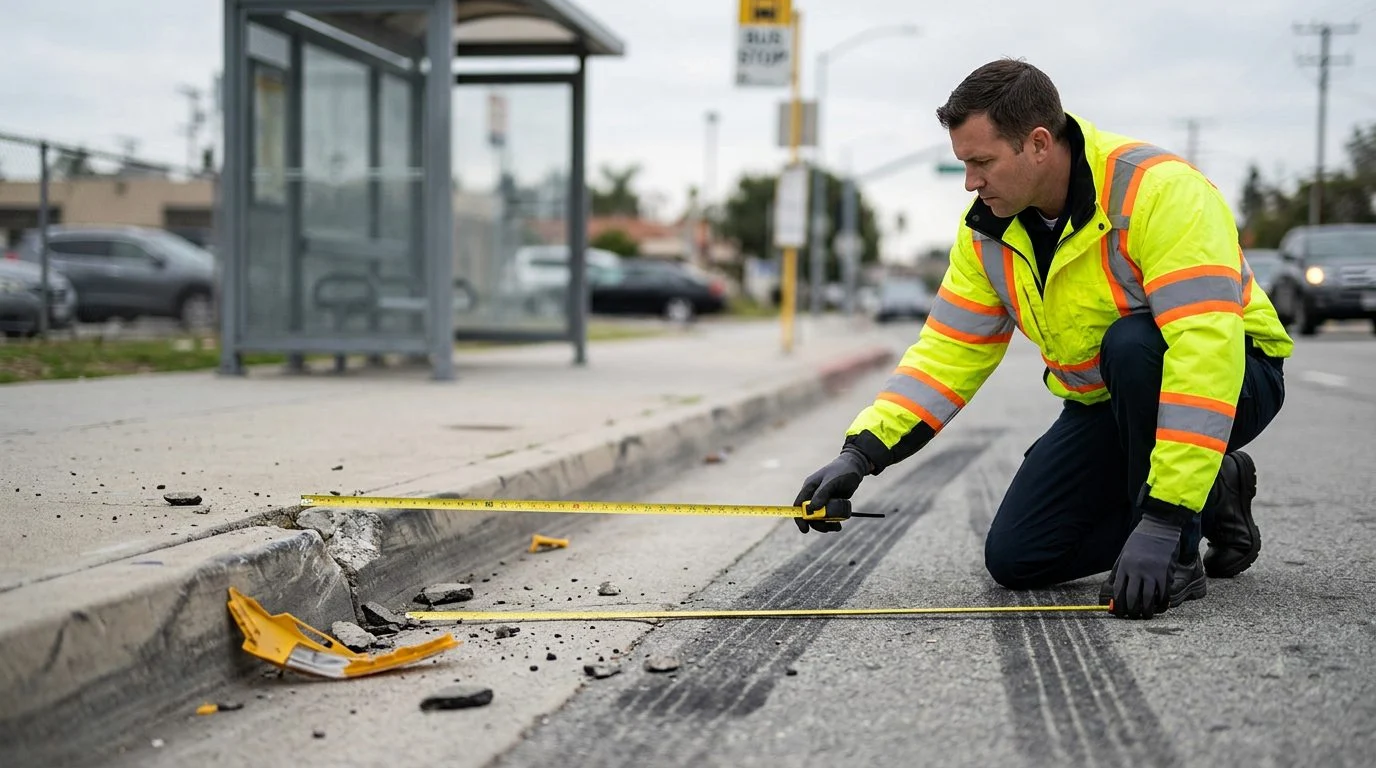
A public entity can also be liable for a dangerous condition of its property. Under Government Code § 835, the plaintiff must show that the property was in a dangerous condition at the time of the injury, that the dangerous condition proximately caused the injury, that it created a reasonably foreseeable risk of that kind of injury, and that either a negligent or wrongful act or omission of a public employee within the scope of employment created the condition, or the public entity had actual or constructive notice of it a sufficient time before the injury to have taken measures to protect against it. A bus shelter, curb, or roadway defect may fall into this category. The statute counts only a substantial risk, not a minor one, as a dangerous condition (Government Code § 830).
Private parties may also share fault. A maintenance contractor, a bus company, or another driver who hit the bus could each be involved. Who is liable turns on the facts of the crash, including driver conduct, vehicle condition, and road conditions.
The Six-Month Claim Window Under the Government Claims Act
A claim for death or personal injury against a public entity generally must be presented within six months after it accrues, under Government Code § 911.2. The claim must reach the public entity through the statute’s procedure. Proper presentation matters as much as the date.
The claim must include specific content, under Government Code § 910:
- The name and post office address of the claimant, and the address for notices.
- The date, place, and other circumstances of the crash.
- A general description of the death, injury, or loss.
- The names of public employees involved, if known.
- An amount, only if the total is under $10,000. Above that, no dollar amount may be included, but the claim must say whether it would be a limited civil case.
Many of these details are hard to pin down right after a crash. Start gathering them early so the claim is complete when it is filed.
When the Clock Starts: Date of Crash, Death, or Discovery
The six-month clock starts when the claim accrues, and that date depends on the facts of each case. In many fatal crashes, the injury and death happen on the same day. When a person is hurt first and dies later, the timing questions get more complicated. Don’t assume the crash date is automatically the start date without checking.
A wrongful death claim also has its own rules about who may sue. Code of Civil Procedure § 377.60 lists the surviving spouse, domestic partner, children, and certain other relatives. A minor who lived in the decedent’s household for the previous 180 days and depended on the decedent for one-half or more of support may also qualify.
Minors face a special trap. Code of Civil Procedure § 352 generally pauses the clock during a person’s minority. Subdivision (b) says this does not apply to a claim against a public entity that must be presented first.
Claims Against Private Operators and Contractors
Claims against a private bus company, contractor, or driver usually follow a different path. The claim rules in Government Code § 945.4 apply to public entities. For a death caused by another’s wrongful act, Code of Civil Procedure § 335.1 sets a two-year period for filing suit.
A single crash can involve a city-run bus and a private contractor. Each defendant can carry a different deadline. Mixing up the two tracks is a common way to miss a date. Calendar the six-month government clock and the two-year lawsuit clock separately, and track each defendant on its own line.
Late Claim Applications and Statutory Relief
A late claim application may be possible, but only within the time and grounds the statute sets. Government Code § 911.4 allows a written application when a claim was not presented within six months. It must be made within a reasonable time, not more than one year after accrual. It must state the reason for the delay and attach the proposed claim.
If the application is denied, a court petition may follow. Government Code § 946.6 requires that petition within six months after denial or deemed denial. The court shall relieve the petitioner only if the application to the board was made within a reasonable time not to exceed that specified in subdivision (b) of Section 911.4 and was denied or deemed denied pursuant to Section 911.6, and a listed ground applies, such as mistake, inadvertence, surprise, or excusable neglect, unless the public entity establishes that it would be prejudiced in the defense of the claim. Minority, incapacity, and the injured person’s death before the deadline also qualify; for minority or incapacity during only part of the claim period, the application must be presented within six months of turning 18 or recovering, or a year after accrual, whichever occurs first. Relief is not automatic.
Once a claim is rejected, the lawsuit clock runs. Government Code § 945.6 requires suit within six months after written notice of rejection is delivered or mailed. If written notice was not given in accordance with Section 913, suit must be filed within two years from accrual.
Not sure what your next step is?
Talk it through with our team — the first consultation is free, confidential, and carries no obligation.
Vehicle Damage and Other Property Clocks
Damage to a personal vehicle can run on its own clock. Government Code § 911.2 puts claims for injury to personal property in the same six-month group as death and injury claims.
Keep one calendar for the whole file. Injury, death, vehicle, and other property claims can each have a different date. If your crash also involved a motorcycle and another driver, our fatal motorcycle crash guide covers a related situation.
Evidence That Matters in a Fatal Bus Crash Claim
The most important evidence is often held by the transit agency or its contractor, and it is also the most at risk. Useful records include crash and incident reports, maintenance and inspection records, driver schedules and logs, video from the bus or nearby cameras, and witness names and contact details.
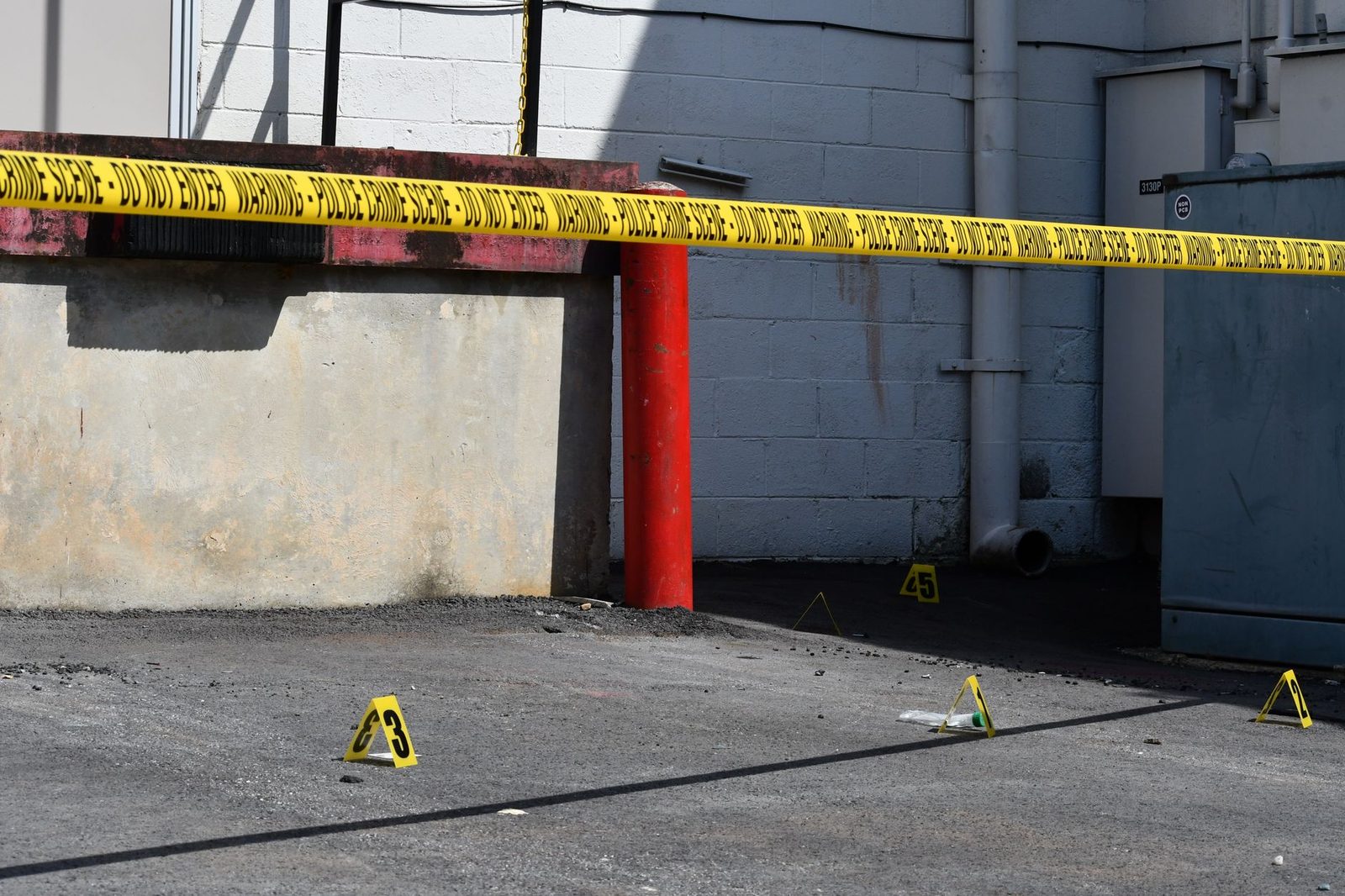
Some records follow routine retention schedules, so they can be discarded on a set timetable. Asking for preservation early can matter. Keep your own records too. Gather medical records, photographs of the scene, and a written timeline of the day while memories are fresh. A timeline should list times, places, who was present, and what each person saw.
Talk With Colvin Accident Lawyers Before the Six-Month Window Closes
The first step is to calendar the six-month date and list every possible defendant. A fatal city bus crash government claim deadline California families face can begin running almost immediately. Public and private parties may have different deadlines, so each one needs its own date.
Consider a family that lost a parent when a city bus was involved. They must decide whether to present a claim to the agency, what the claim should say, and whether a private party also needs a lawsuit. An injured rider, pedestrian, or cyclist faces the same decisions.
Frequently asked questions
How long do I have to file a claim against a city bus?
A death or personal injury claim against a public entity generally must be presented within six months after accrual, under Government Code § 911.2.
Can I sue a city after a fatal bus crash?
Generally, a written claim must be presented and acted on, or deemed rejected, before a suit for money can proceed. See Government Code § 945.4.
Does the two-year deadline apply to a private bus company?
For a death caused by another’s wrongful act, Code of Civil Procedure § 335.1 sets a two-year period.
If your family is weighing these dates now, you can contact Colvin Accident Lawyers in Bakersfield, California. Our first consultation is free, confidential, and comes with no obligation to continue.
Colvin Accident Lawyers, Bakersfield, California — responsible for this site: Donald Norman Colvin.
How our firm can help
Review the facts of the crash
We look at the circumstances of the collision, the bus and the transit system involved, and the records that document what happened.
Support for families
We understand how difficult it is for surviving family members to focus on paperwork while they are grieving, and we keep communication clear and manageable.
Attention to timing
Claims against public agencies can involve specific steps. We help you understand what needs to happen and when, so important steps are not overlooked.
Serving the Central Valley and High Desert
Our firm represents accident victims and families in Bakersfield, Kern County, Fresno, Visalia, Lancaster, Palmdale, Delano and Tehachapi.
Act promptly to protect the evidence
Photos, witness contact information, transit records, medical records and other evidence from a bus crash can become harder to gather as time passes. Do not wait to ask for help.
Information that may help your family
Gather what you can
Keep any police report numbers, photos, bus route or stop details, and names of witnesses you know about.
Save medical and billing records
Keep hospital, treatment and funeral-related records together so they are easy to share with your attorney.
Write down your memories
Notes about what you were told, who you spoke with and when can help preserve details while they are fresh.
Talk with a lawyer early
A free, confidential first consultation lets you ask questions and learn how the process may work for your family's situation.