Colvin Accident Lawyers | Bakersfield, California
Which Injury Cases Does a Personal Injury Attorney Handle?
A plain-language look at the accident and injury claims we take on for families in Kern County and nearby communities.
By Donald Norman Colvin · Published November 22, 2026
If someone you love was hurt in a crash, or died in one, you may be trying to figure out what happens next. A personal injury attorney represents the injured person, or the family, in a claim against the party whose carelessness caused the harm. That is the core of the job. The rest of this guide walks through what that work looks like, from the first call to the final resolution.
Colvin Accident Lawyers is based in Bakersfield, California, and handles car, truck, motorcycle, bicycle, pedestrian, bus, dog bite, premises liability, catastrophic injury, and wrongful death cases.
What a Personal Injury Attorney Does
A personal injury attorney handles the legal side of a claim so the injured person or family can focus on recovery.
The attorney works for the injured person, or for the family of someone who died. Claims usually rest on negligence, which means a person failed to use the care that a reasonable person would use. California law makes a person responsible for injuries caused by a lack of ordinary care, under Civil Code § 1714.
In practice, the attorney gathers the facts, handles talks with insurers, works out what the losses are, and files a lawsuit when a claim cannot be resolved another way. The work also includes explaining each step, so you know what is happening and why. Much of it happens behind the scenes. The client does not need to know the court rules to keep the claim moving.
If a crash has left someone you love hurt or gone, you don't have to sort out the legal side alone, and our team will talk it through with you. Talk it through with our team — the first consultation is free, confidential, and carries no obligation.
Types of Cases a Personal Injury Attorney May Handle
A personal injury attorney may handle any claim where another party’s negligence or wrongful act caused an injury or a death.
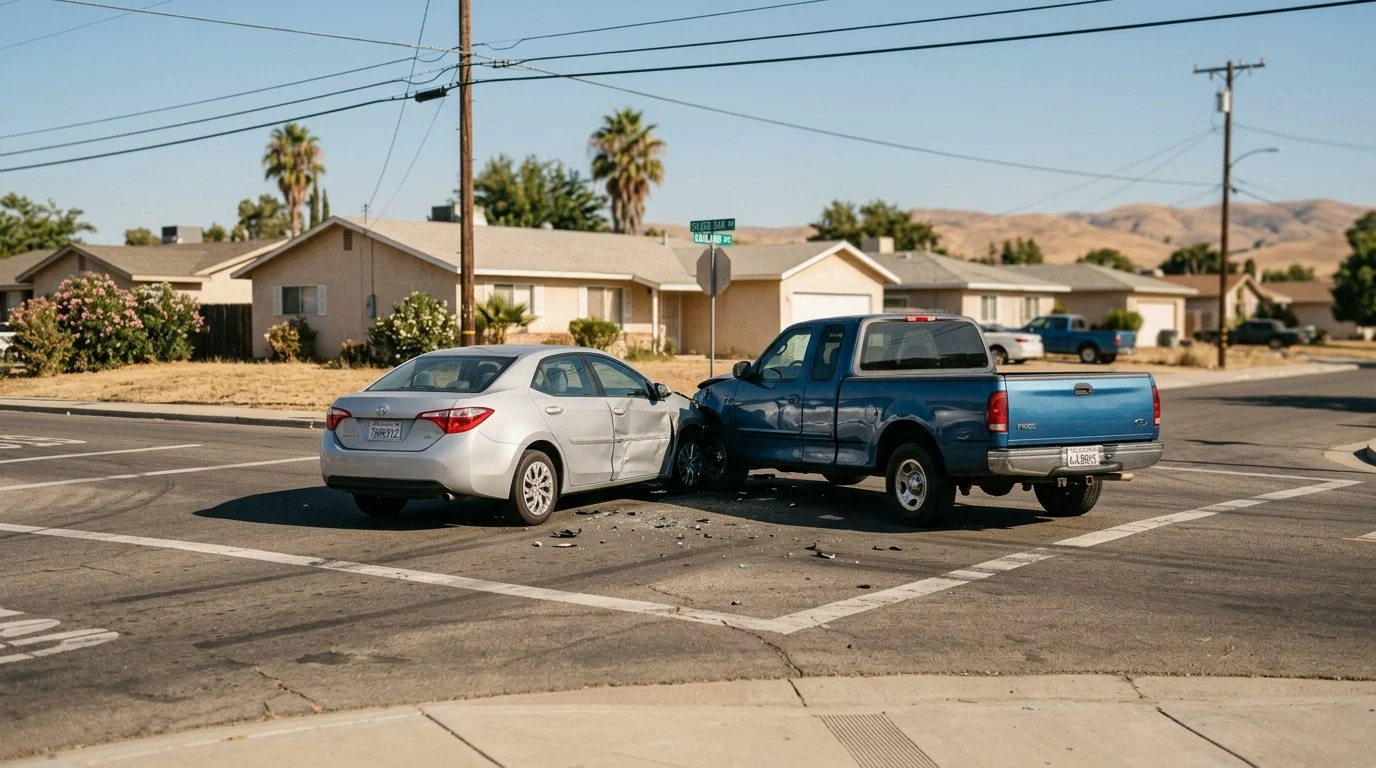
- Car accidents. A driver runs a red light and strikes a car in an intersection.
- Truck accidents. A commercial truck strikes a sedan on a highway. These claims can involve more than one company.
- Motorcycle accidents. A car turns left in front of a rider, who is thrown to the pavement.
- Bicycle accidents. A driver fails to yield to a cyclist at a crosswalk or side street.
- Pedestrian accidents. A person is struck while crossing in a marked crosswalk.
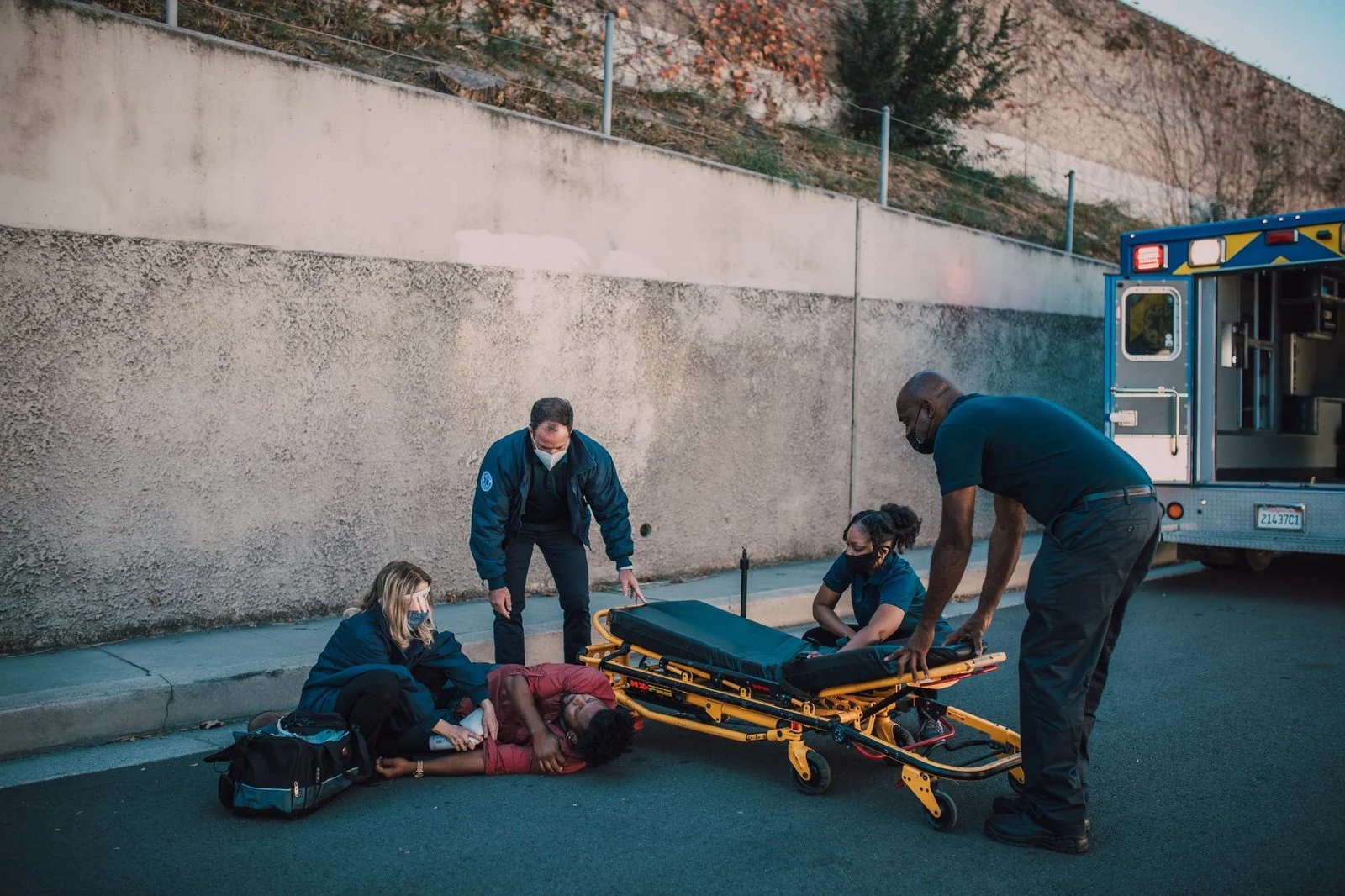
- Bus accidents. A passenger is hurt when a bus brakes hard or collides with another vehicle.
- Dog bites. A dog attacks someone in a public place or on private property where the person was lawfully present.
- Premises liability. A visitor slips on a wet floor or falls on a broken stair at someone else’s property.
- Catastrophic injuries. A spinal cord injury, brain injury, or amputation changes work and daily life for the long term.
- Wrongful death. A family loses a loved one because of another party’s wrongful act or neglect.
One crash can involve more than one category. A truck crash that causes a brain injury is both a truck accident and a catastrophic injury case. Families dealing with a death can read the wrongful death lawyer page for more detail.
Investigating the Accident and Who May Be Responsible
An attorney looks closely at where, when, and how the accident happened, and at who had a role in it.
The review covers road or property conditions, traffic signals, weather, vehicle maintenance, and the rules that applied at the time. Responsibility can rest with more than one party. That may include a driver, a vehicle owner, a property owner, or a company that employed the driver.
For a hazard on someone’s property, the question is what the owner knew or should have known. California’s jury instruction on unsafe property conditions asks whether a condition on the property created an unreasonable risk of harm, whether the defendant knew or, through the exercise of reasonable care, should have known about it, and whether the defendant failed to repair the condition, protect against harm from the condition, or give adequate warning of the condition.
The injured person’s own actions also matter. Under California’s comparative fault jury instruction, if the defendant proves the injured person shares some of the fault, that person’s damages are reduced by the jury’s determination of the percentage of their own responsibility. Shared fault reduces the recovery. It does not bar it. Identifying every party and insurer early helps organize the claim.
Gathering Evidence and Documenting Injuries and Losses
A personal injury attorney gathers proof of what happened, how the injuries occurred, and what the injuries have cost.
Common evidence includes police and incident reports, photos of the scene and vehicles, witness names and statements, medical records and bills, repair estimates, and pay records. The attorney organizes these records so they show the nature and extent of the injuries.
Losses fall into two groups. California law defines economic damages as objectively verifiable monetary losses, such as medical expenses, loss of earnings, and repair costs. It defines non-economic damages as subjective losses, such as pain, suffering, and emotional distress (Civil Code § 1431.2).
Evidence can disappear. Vehicles get repaired, photos get lost, and memories fade. Acting early helps keep proof intact. Keep a simple written log of missed work and daily limits, because it shows changes in everyday life.
Dealing With Insurance Companies
An attorney often becomes the main contact with insurance adjusters, so the injured person does not have to handle those calls alone.
An adjuster works for the insurance company, not for the injured person. Early calls, recorded statements, and first offers can affect a claim. That is why many injured people bring in an attorney at this stage.
Coverage questions come up too.
When an offer arrives, the attorney compares it with the documented losses and the coverage that applies. The client then decides whether to accept it.
Negotiation, Litigation, and Trial
Many claims are resolved through negotiation, and a lawsuit is filed when a fair resolution cannot be reached that way.
In negotiation, the attorney presents the claim, the evidence, and the damages to the other side’s insurer. The goal is a resolution that reflects the documented losses.
Time limits matter. California generally gives two years to file a lawsuit for injury or death caused by another’s wrongful act, under Code of Civil Procedure § 335.1. Damage to personal property, such as a vehicle, generally has a three-year period under Code of Civil Procedure § 338. Exceptions can apply, so the dates in any one case need prompt review.
If the case does not settle, it may go to trial, and the attorney presents the evidence in court.
No attorney can know how a particular case will turn out. Outcomes depend on the facts and the law in each case.
Not sure what your next step is?
Talk it through with our team — the first consultation is free, confidential, and carries no obligation.
When a Family Faces a Wrongful Death or Catastrophic Injury
A wrongful death claim is brought by eligible family members or a personal representative after a death caused by another party’s wrongful act or neglect.
California law names who may bring the claim. Under Code of Civil Procedure § 377.60, that includes a surviving spouse, domestic partner, and children. It can also include dependent parents and certain minors who lived in the decedent’s household for the previous 180 days and were dependent on the decedent for one-half or more of their support.
Catastrophic injuries differ in scale. They involve serious harm that often lasts, may require ongoing medical care, and can change how a person works and lives. These cases often involve several providers, future care needs, and more than one insurer, so each step takes careful planning.
If the injured person has Medicare, the billing rules change. Liability insurance pays first for accident-related care, and Medicare pays second. When Medicare makes a conditional payment, that payment must be repaid from a settlement, judgment, or award. Federal law takes precedence over state law and private contracts (CMS Medicare Secondary Payer overview).
How Fees Work and Taking the Next Step
The initial consultation with Colvin Accident Lawyers is free, confidential, and carries no obligation to continue.
That first meeting is a chance to ask questions about your situation before you decide anything. Bring what you have, such as the police report, medical paperwork, and insurance letters.
Common Questions
What does a personal injury attorney do?
A personal injury attorney handles the legal side of a claim for an injured person or a family.
How long do I have to sue in California?
California generally allows two years for a personal injury or wrongful death lawsuit, under Code of Civil Procedure § 335.1. Exceptions apply.
Can I recover damages if I was partly at fault?
Yes, in general. The jury sets the percentage of the injured person’s own responsibility, and the judge then calculates the actual reduction in damages, as California’s civil jury instructions explain.
Does a personal injury case have to go to court?
Not always. Many claims are resolved through negotiation before any lawsuit is filed.
Does an attorney handle calls from the insurance company?
Often, yes. An attorney may serve as the main contact with the adjuster.
If you’re gathering information after a crash that hurt someone you love, you don’t have to work out the legal steps alone. When you’re ready, reach out to Colvin Accident Lawyers to talk through what happened.
Colvin Accident Lawyers, Bakersfield, California — responsible for this site. Responsible attorney: Donald Norman Colvin.
Why Talk With Our Team
Free first consultation
The first consultation is free, confidential, and carries no obligation to continue.
Clear explanations
We explain the legal side of your claim in plain terms so you can make informed decisions.
Focused on injury claims
Our practice focuses on car, truck, motorcycle, bicycle, pedestrian, bus, dog bite, premises liability, catastrophic injury, and wrongful death cases.
Based in Bakersfield
Our firm is located in Bakersfield and represents accident victims and families across Kern County and nearby communities.
Every Case Is Different
Reading this guide does not create an attorney-client relationship. Contact us to discuss your specific situation.
Types of Cases We Handle
Vehicle crashes
Car accident and truck accident claims, including collisions involving commercial trucks, and bus accident claims involving passengers or other drivers.
Motorcycle, bicycle, and pedestrian injuries
Claims for riders, cyclists, and people struck while walking, where injuries often require extended medical care.
Dog bites and premises liability
Dog bite claims and premises liability cases arising from unsafe property conditions, such as hazards that owners or managers knew about or should have addressed.
Wrongful death and catastrophic injury
Wrongful death claims for families who have lost a loved one, and catastrophic injury claims involving long-term or permanent harm.