Bakersfield, CA | Accident Injury Guidance
A Small Crash Can Still Cause Serious Harm
Low speed and light damage do not always tell the full story. Here is how to think through a crash that seems minor.
By Donald Norman Colvin · Published November 23, 2026
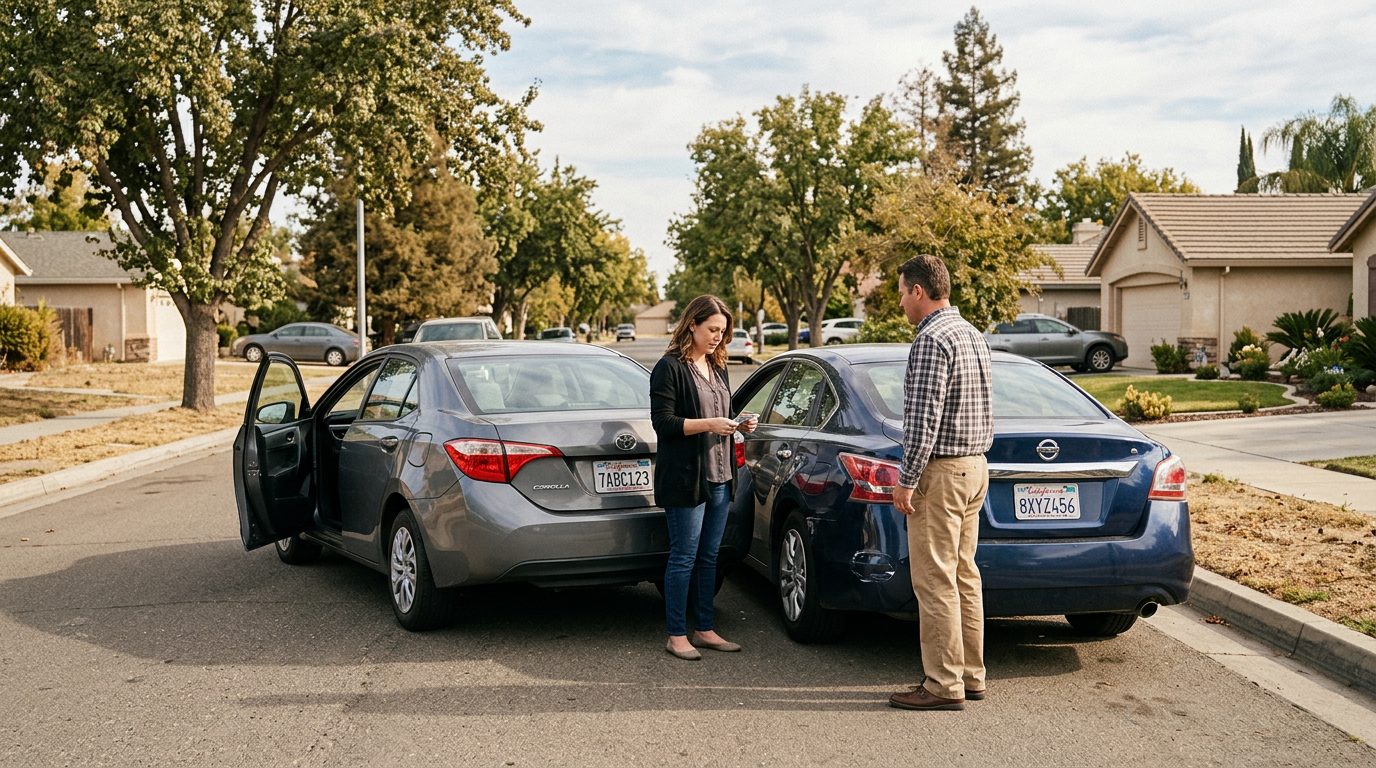
You were in a crash that didn’t look serious, and now you’re wondering if it counts as a minor accident. California law does not use that phrase as one legal category. A crash that looks small, with light damage, cars that still drive, and no one hurt badly enough to need an ambulance is often described with an everyday label.
It doesn’t decide who was at fault or how badly someone was hurt. This guide explains where the label matters, which reporting rules apply, and why a crash that looks minor can still cause injuries.
What Does “Minor Accident” Mean in Everyday Use?
A minor accident is usually a crash with little visible damage, vehicles that can still be driven, and no ambulance at the scene. Nobody reports pain, and everyone drives or walks away on their own.
Drivers, police, repair shops, and insurers each use the phrase in their own way. There is no set dollar figure or injury test that everyone in California applies. So when someone asks whether a crash was minor, the useful question is what the answer will be used for.
Those signs describe the crash as it looked at the time. They don’t settle fault. A rear-end bump can look small and still be the other driver’s mistake. A crash can also look minor while the person who was hit feels stiff the next morning. Treat the label as a description, not a finding about who is responsible.
If you want to talk through your crash, your injuries, and any insurer contact, reach out through our contact page . Talk it through with our team — the first consultation is free, confidential, and carries no obligation.
How Do Reporting Rules Shape the Minor Label?
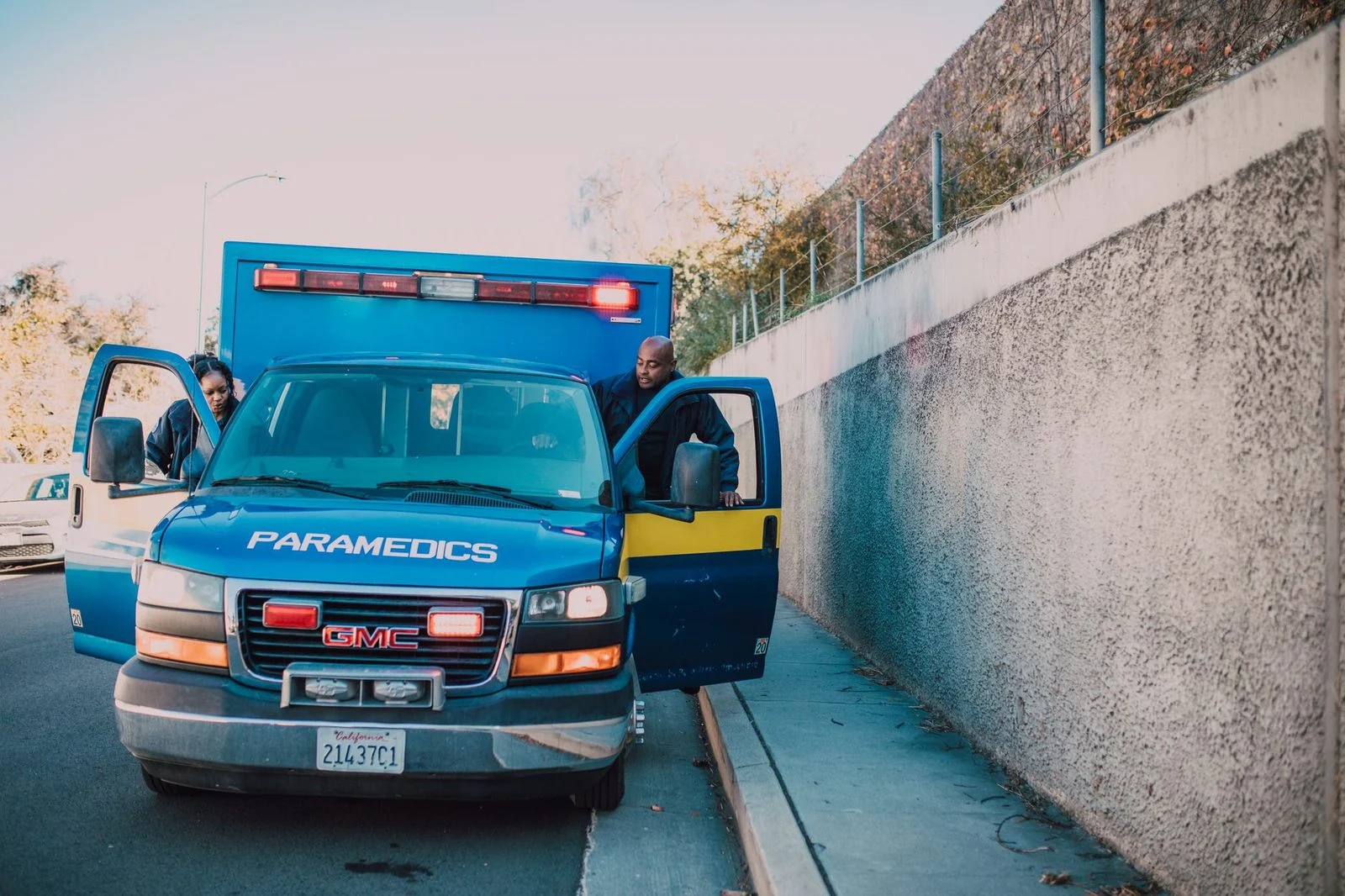
Under Vehicle Code § 20008(a), a written report is required within 24 hours when a crash causes injury or death. The driver shall make or cause to be made a written report of the accident within 24 hours after it occurs.
Many drivers judge a crash by its dents and repair estimates. Injury works as a separate trigger. A crash with small damage and a hurt passenger is still reportable.
Injuries also start a shorter clock. Vehicle Code § 20008 requires a written report within 24 hours when an accident causes injury or death. The report goes to the California Highway Patrol, or to the city police department if the crash happened inside a city. Common carrier vehicles follow a separate schedule under the same section.
Reporting and the minor label are separate questions. Ask whether the crash met a reporting trigger, and ask what injuries are present. Don’t let the word “minor” answer either one.
Why Can a Minor-Looking Crash Still Cause Injuries?
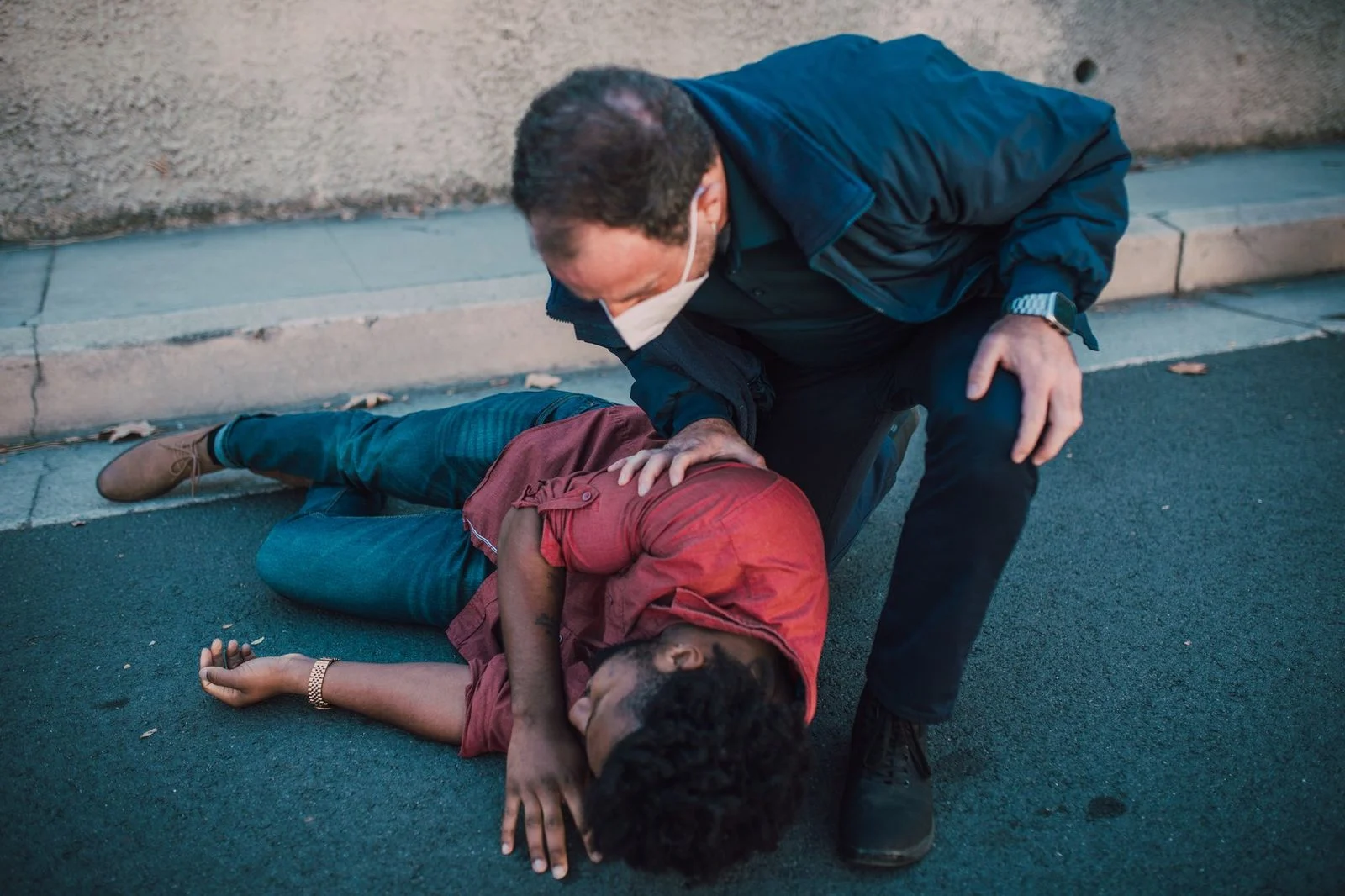
A crash that looks minor can still cause injuries, and some symptoms appear after the crash rather than during it. Many people feel shaken but fine when the other driver asks if they’re okay. Stiffness, headaches, and neck pain may start later.
Injuries are not limited to what you can see. The California Highway Patrol’s injury definitions cover spinal injuries, fractures, bruises, abrasions, and lacerations. A car can look mostly fine while a person inside has a real injury.
Dizziness, numbness, or a severe headache after a crash needs prompt medical attention. The Mayo Clinic’s dizziness guide describes causes of dizziness and warning signs that call for emergency care.
Keep a simple written log. Note what hurts, when it started, and each medical visit. A short written record helps you describe the timeline clearly to a doctor or an insurer.
What Counts as Accidental Damage to a Car?
Accidental car damage ranges from cosmetic marks to structural or mechanical damage. Scuffs, paint transfer, and small dents are cosmetic. A bent frame, a deployed airbag, or a damaged suspension or sensor is structural or mechanical.
The two kinds are different, and a scuffed bumper can hide the second kind. A bumper that looks intact may have damage behind the cover. A repair shop or appraiser can check those parts more fully than a quick look at the roadside.
Ask for an itemized estimate, and keep it with your photos. Take pictures of both cars from several angles. If it is safe, leave the cars where they stopped until the damage is recorded.
Property damage alone does not show whether someone was hurt. A car with heavy damage doesn’t always mean an injury, and a car with little damage can still come with one. Record vehicle damage and injuries separately, so each question gets its own notes.
Which Collision Types Do People Most Often Call Minor?
Rear-end impacts, sideswipes, low-speed parking lot bumps, and backing collisions are the crashes people most often call minor. Each can look small while still jolting the people inside.
A rear-end impact may leave a small mark on the struck car while the occupants feel the force. A sideswipe can scrape paint and still push a car toward a curb or into another lane. A parking lot or intersection bump at low speed may leave a dent that looks cosmetic. A backing collision often happens slowly, but it can still throw people forward or sideways.
Speed, angle, and the vehicles involved all shape how much force reaches the people inside. Write down the speed you think you were going, the lane, and what each driver said. Do this while the details are fresh.
The label should never be the only guide to what happened.
Does a Minor Accident Affect Insurance?
A minor accident can affect insurance even when no one is hurt, because an insurer may review the claim or open a file. The effect depends on the policy and the insurer, so read your own policy.
Many drivers call their insurer after any crash, and some report even small crashes. Reporting to your own insurer is different from making a claim against the other driver. Ask your insurer to explain in writing how the claim is being handled.
Uninsured coverage matters when the other driver has no insurance. Under Insurance Code § 11580.2, auto policies must include uninsured motorist coverage for bodily injury or wrongful death damages, unless the insured agrees in writing to change it.
Be careful with a recorded statement to any insurer. Words said early can shape how the claim is read later. Ask what the statement is for before you give one.
Not sure what your next step is?
Talk it through with our team — the first consultation is free, confidential, and carries no obligation.
What Happens If a Teenager Is in a Car Accident?
When a teen driver is in a crash, the same reporting sections apply. They cover the driver of the vehicle and don’t single out teens.
Owner liability is a separate question. Vehicle Code § 17150 makes an owner liable for death or injury to person or property caused by a negligent act in operating the vehicle, when someone uses it with the owner’s express or implied permission. That can reach a parent who lends the family car.
Vehicle Code § 17151 limits that owner liability when it does not come from an agency or employment relationship. The limits are $15,000 for injury to one person in one accident, $30,000 for more than one person, and $5,000 for damage to others’ property.
Fault can also be shared. Under Li v. Yellow Cab Co., California uses comparative negligence instead of the all-or-nothing rule. Who was at fault depends on the facts of the crash.
What If an Insurer Calls a Crash Minor or Denies a Claim?
An insurer’s description of a crash as minor is its own view, not a legal ruling. You can ask for the reasons in writing.
Keep copies of every letter, estimate, and medical bill. Write down what the adjuster says and the date you spoke. Your policy limits set the most that policy will pay, so check them before you assume the claim is fully covered.
Insurance Code § 790.03 defines certain unfair claims settlement practices as unfair and deceptive acts, but only when they are knowingly committed or performed with such frequency as to indicate a general business practice. Don’t rely on an adjuster to tell you your deadline.
For most injury lawsuits, California’s general deadline is two years. That comes from Code of Civil Procedure § 335.1. Before you sign a release, ask what it covers.
Talk With Colvin Accident Lawyers About Your Crash
If a crash left you sore, shaken, or worried about someone you love, you don’t have to work out what it counts as alone. Deciding what to do next is a reasonable place to be.
Quick answers
Is there a legal definition of a minor accident in California?
No single legal definition applies. The phrase is an everyday label for a crash that looks small.
Do I have to report a minor accident?
If a crash results in injury or death, the driver involved must make a written report within 24 hours, except that the owner or driver of a common carrier vehicle reports to the CHP by the 10th day of the following month.
How long do I have to file an injury lawsuit?
For most injury claims, California’s general deadline is two years (Code Civ. Proc. § 335.1).
Colvin Accident Lawyers is based in Bakersfield, California. If you want to talk through your crash, your injuries, and any insurer contact, reach out through our contact page. La consulta inicial es gratuita, confidencial y sin compromiso de continuar.
Colvin Accident Lawyers, Bakersfield, California — responsible for this site.
How Colvin Accident Lawyers Helps
Confidential first consultation
The initial consultation is free, confidential, and carries no obligation to continue.
Talk with us directly
Call our Bakersfield office to describe what happened and ask your questions in plain language.
Support for injured people and families
We represent drivers, passengers, cyclists, pedestrians, and families across car, truck, motorcycle, bicycle, pedestrian, bus, dog bite, premises, and wrongful death matters.
Rooted in Kern County
We are based in Bakersfield and work with clients from Kern County and surrounding communities.
Before You Speak With an Insurer
An insurance adjuster works for the insurance company, not for you. Speak with a lawyer before you give a recorded statement, accept a payment, or sign any release.
Steps That Protect Your Position After a Minor Crash
See a doctor
Some injuries, including whiplash and concussion, may not show symptoms until hours or days later. A medical evaluation creates a record of your condition.
Document the scene
Photograph vehicles, road conditions, and visible damage. Write down names, contact details, and witness information while you still remember them.
Keep every record
Save medical bills, repair estimates, rental receipts, and missed-work notes. Organized records make any claim easier to review.
Ask before you decide
Contact Colvin Accident Lawyers to talk through your situation before you negotiate with anyone on your own.