Wrongful Death · Bakersfield, CA
Protect Your Family's Rights in the Days After a Loss
By Donald Norman Colvin · Published November 21, 2026
If someone you love has died after a crash or another incident, you may be asking what not to do immediately after someone dies. The short answer is to avoid recorded statements, early releases, lost evidence, and public posts until you understand the facts. Those early steps can shape a possible wrongful death claim later.
Colvin Accident Lawyers is based in Bakersfield, California. This page covers the legal and evidence steps that matter most in the first days, written in plain language so you can take them one at a time.
What Happens in the First Days After a Sudden Death?
The first days after a sudden death bring many tasks at once, and some of them can affect a later claim.
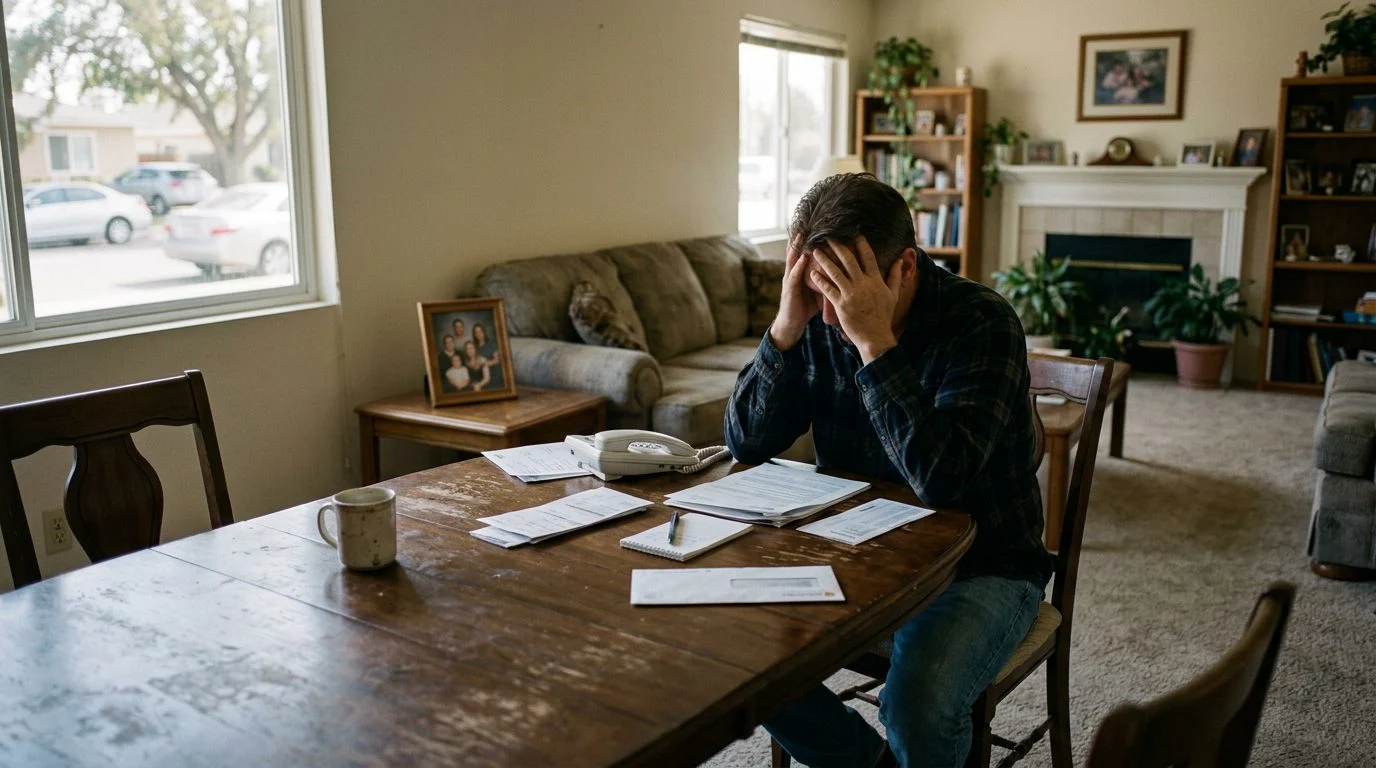
Families often handle notifications, arrangements, medical paperwork, and questions about what happened, all at the same time. When a death follows a car, truck, motorcycle, bicycle, pedestrian, bus, or other incident, insurance adjusters, police reports, and medical records can enter the picture quickly. Calls may come from an insurer before you have had a chance to sit down.
Grief makes it hard to think clearly, and that’s normal. A short written list of who to call, what to keep, and what to hold off on can help the family stay on the same page. Not every task needs an answer today.
If your family is facing a death that followed a crash, you do not have to sort out the legal steps alone; our team can talk it through with you. Talk it through with our team — the first consultation is free, confidential, and carries no obligation.
Do Not Give a Recorded Statement or Sign Insurer Forms Without Reading Them
Do not give a recorded statement until you know what it will be used for and who is asking.
An insurance company for the other party may call early and ask for a recorded statement. The family may not yet know the cause of death, the medical findings, or the full impact of the loss. Before you answer anything, write down who called, the date, the phone number, and exactly what was requested. You can ask for time to review the request.
Stick to facts you know. If you don’t know something, say so. Do not guess about speed, timing, or who was at fault. A guess made in shock can later be repeated as if it were certain. If the caller asks again, say you will call back, then write down the reply.
Forms, authorizations, and medical releases also deserve a careful read. Their wording can reach further than you expect, including records or information you did not mean to share. Read every line and keep a copy of anything you sign.
Do Not Accept an Early Settlement Offer or Sign a Release
Do not accept an early offer or sign a release until you know the full cost of the death.
Early offers often arrive before the cause of death, the medical bills, and the effect on dependents are known. A signed release can close the door on seeking more for the same harm, so treat it as a permanent step. Ask for the offer in writing and compare its terms with the bills and other losses you know about. You are not required to decide on the spot. Taking time to understand an offer is a reasonable step.
Medicare can also play a role in any payment. When a person entitled to Medicare is in an accident and liability insurance is involved, that insurance pays first and Medicare pays second (CMS Medicare Secondary Payer rules). If insurance will not pay promptly, Medicare may make a conditional payment. That payment must be repaid when a settlement, judgment, or other payment is made. Ask whether Medicare paid any bills before you agree to terms.
Do Not Discard, Repair, or Move the Vehicle, Belongings, or Evidence
Keep the vehicle, phone, clothing, and damaged items as they are until their condition is documented.
Evidence can disappear quickly. Vehicles are often repaired, sold, or sent to a salvage yard. Ask in writing that the vehicle and damaged items be kept, and keep a copy of that request. Photograph the vehicle from every side and the damage up close. Note where it is stored and who has access to it.
Save any dashcam or surveillance footage, names and phone numbers of witnesses, and notes about what each person saw. Write notes while the details are fresh. Keep receipts for towing, storage, and any repairs, along with bills for the person’s care. These records help document the losses.
Under Vehicle Code § 20008, the driver of a vehicle other than a common carrier vehicle in a crash that injures or kills someone must make a written report within 24 hours to the California Highway Patrol or, if the crash occurred within a city, to either the California Highway Patrol or that city’s police department. Ask for the crash report number and a copy of the police report. Keep them in one folder with the rest of your papers. Hold off on dividing up belongings, too.
Do Not Post About the Crash, the Death, or the Other Party Online
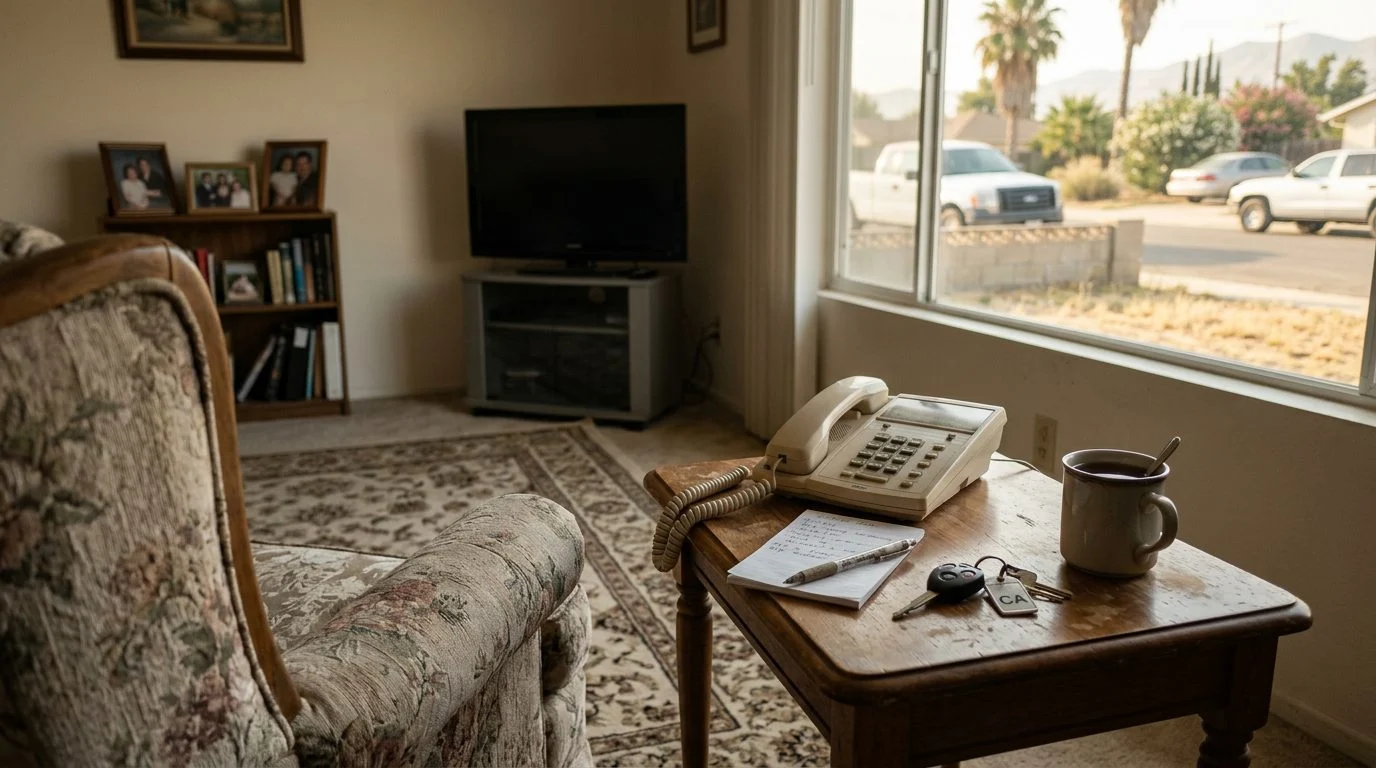
Do not post about the crash, the death, or the other party on social media, and ask family members to hold off too.
Posts, comments, photos, and messages about the incident can be seen by insurers and the other side. A short comment about who was at fault can be read later, even if it was written in grief. Private texts and messages deserve the same care, because they can be shared with others. Staying quiet in public is a reasonable choice while the facts are being gathered.
Families can agree on one private way to share updates, such as a family group chat with a clear purpose. One person can handle questions from friends so that details stay accurate. Sharing news stories can spread details that no one has checked, so share only what the family has confirmed.
Look back at recent posts that mention the crash or fault. Do not delete or edit anything without first talking with a lawyer.
Do Not Let Filing Deadlines Pass Without Attention
A wrongful death lawsuit in California generally must be filed within two years (Code Civ. Proc. § 335.1). Claims against a public agency are governed by separate rules in Gov. Code § 911.2 and § 945.6, which can set a six-month deadline.
Under Code of Civil Procedure § 335.1, an action for the death of a person caused by another’s wrongful act or neglect must be brought within two years. Gov. Code § 945.6 states that exceptions in Sections 946.4 and 946.6, and an extension for certain people sentenced to state prison, can change the time limit for filing a suit against a public entity.
Who may bring the claim is set by Code of Civil Procedure § 377.60. It names the surviving spouse, domestic partner, children, and issue of deceased children, or, if there is no surviving issue, the persons entitled to the decedent’s property by intestate succession, as well as certain dependents, or the personal representative on their behalf.
If a public entity may be responsible, Government Code § 911.2 says a claim for death must be presented not later than six months after it accrues.
Keep a written calendar of dates in your crash folder so the whole family can track what is due. Then review the wrongful death lawyer overview and how a wrongful death lawsuit is filed in California.
Not sure what your next step is?
Talk it through with our team — the first consultation is free, confidential, and carries no obligation.
You Do Not Have to Carry These Decisions Alone
You don’t have to make every legal decision by yourself, and you can take these steps one at a time.
When you check on a grieving person, ask what they need today. Listen without pushing them to decide about a claim. Some families name one person to keep the paperwork and calls organized, so others can rest.
The other side may argue that the person who died shared some fault. California uses comparative fault. The Judicial Council of California civil jury instruction on comparative fault of the plaintiff states: If [name of defendant] proves the above, [name of plaintiff]’s damages are reduced by your determination of the percentage of [name of plaintiff]’s responsibility. I will calculate the actual reduction. The damages are reduced, not barred. Learn more about how comparative negligence works. Procedural issues can also affect a case, so read about why a judge may dismiss a wrongful death claim.
If your family is facing a death that followed a crash or another incident, and you’re not sure what to do next, Colvin Accident Lawyers can talk it through with you. The first consultation is free, confidential, and carries no obligation to continue. Reach out through our contact page when you’re ready. (La consulta inicial es gratuita, confidencial y sin compromiso de continuar.)
Colvin Accident Lawyers, Bakersfield, California — responsible for this site. Responsible lawyer: Donald Norman Colvin.
Frequently Asked Questions
Should I give a recorded statement to an insurance company right after a loved one dies?
Avoid giving a recorded statement or signing any forms from an insurance company until you have spoken with a lawyer, because your words can be used later to dispute the claim. Colvin Accident Lawyers offers a free, confidential first consultation with no obligation to continue.
Should I post about the death or the accident on social media?
Avoid posting about the accident, who was at fault, or the injuries and medical care, because social media posts can be used as evidence. Keep your accounts private and let a lawyer handle questions about the case.
Should I throw away or repair the vehicle, clothing, or other items involved in the incident?
Do not discard, repair, or sell damaged vehicles, clothing, phones, photos, or messages connected to the incident, since they may be important evidence. Keep them in their current condition and ask a lawyer how to arrange an inspection or preservation before anything is changed.
Should I wait to find out whether I have a legal claim?
Do not wait, because California has filing deadlines that can limit or end a claim, and evidence such as witness memories and records can disappear over time. Colvin Accident Lawyers offers a free, confidential first consultation with no obligation to continue, so you can learn your options early.
Key warning
Insurance representatives may contact your family quickly after a death. Before you give a recorded statement or sign any release, speak with a lawyer first.
Common mistakes to avoid
Giving a recorded statement
Insurance representatives may ask for a recorded statement while your family is grieving. Your words can later be used to dispute the claim.
Signing forms or releases
Do not sign anything from an insurer or another party until you understand what it says and how it could affect your family's claim.
Posting about the death online
Social media posts about the death or the accident can be taken out of context and shared with the other side.
Discarding evidence
Keep photos, police and medical reports, bills, and damaged property connected to the incident, even if they seem unimportant.
How our team can help
We listen first
Our team takes time to hear what happened and answers your questions about the next steps.
We help protect your family
We can handle communication with insurance companies so your family is not left to do it alone during a difficult time.
We organize the records
We help gather and review the documents and evidence that matter to your family's claim.
Confidential and no obligation
The initial consultation is free, confidential, and carries no obligation to continue.