Wrongful Death | Bakersfield, CA
Talking to an Insurance Adjuster After a Fatal Crash? Know Your Options First
Our first consultation is free, confidential, and carries no obligation to continue.
By Donald Norman Colvin · Published November 16, 2026
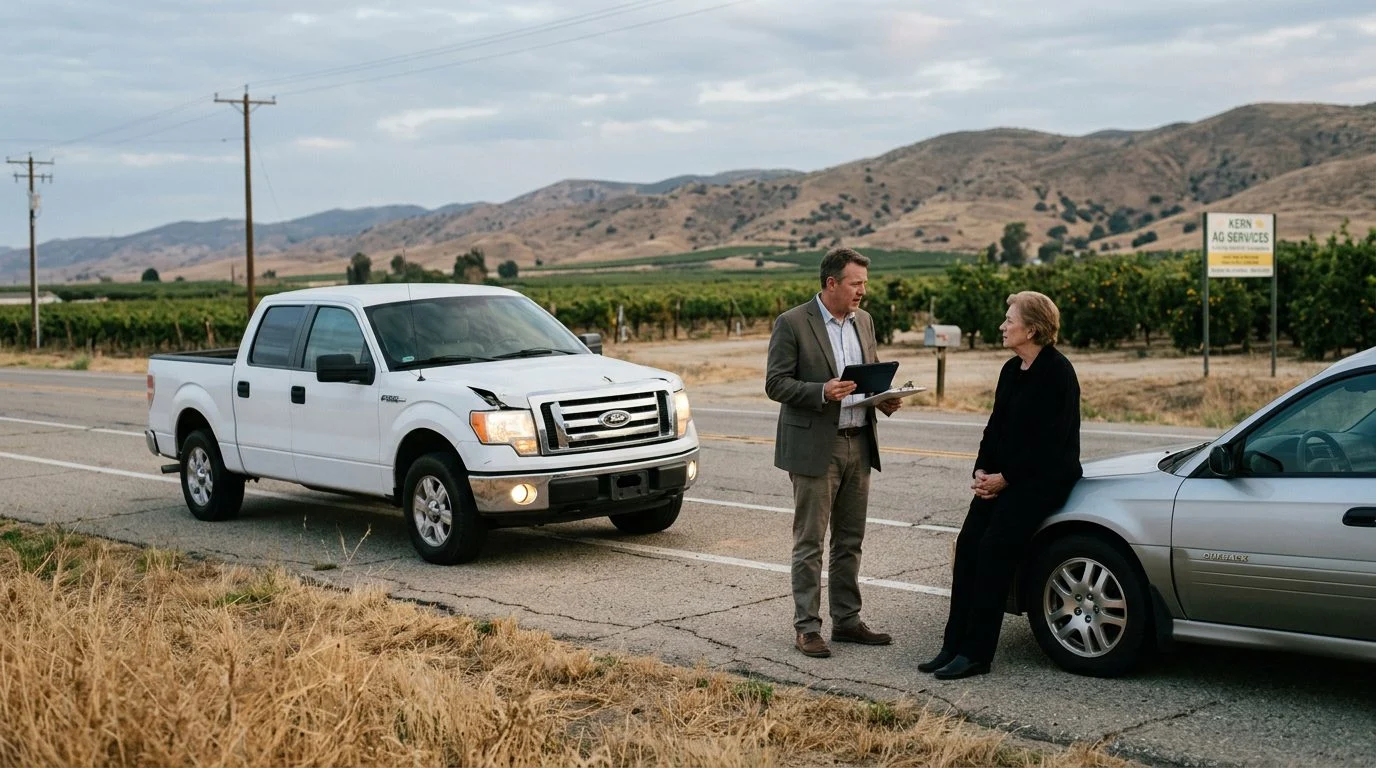
An insurance adjuster may call your family within days of a crash that killed someone you love, often while you are still in shock.
So, should you talk to the insurance adjuster after a family member died in a crash? You can, but keep the first call short. Share basic facts, avoid recorded interviews until you understand the claim, and don’t sign anything yet.
Why an Insurance Adjuster Is Calling So Soon
An adjuster works for an insurance company, and that company wants to evaluate and resolve the claim. The call may come from the insurer of the driver who caused the crash, or from the insurer of the vehicle your loved one was in. Which company calls depends on who is responsible for the claim.
Calls often start within days. They can arrive before funeral arrangements are settled and while the family is still in shock. The first call often covers what happened, who was involved, and what the family wants. Each answer becomes part of the file.
The call is not a request for a decision today. You can say you need time and will call back. Write down the adjuster’s name, the company, and the date of each call. Those notes help if questions come up later.
Many families feel pressure to end the call so they can return to their loss. You set the pace. A calm “I need to think about this, and I’ll call you back” is a complete answer.
If an adjuster has called about the crash that took your loved one, you don't have to decide what to say alone, and Colvin Accident Lawyers can help you think it through. Talk it through with our team — the first consultation is free, confidential, and carries no obligation.
Whose Insurance Are You Dealing With?
When your loved one was not at fault, the at-fault driver’s liability insurer handles the claim against that driver. Your family’s own auto policy is a separate question, and the two should not be mixed up.
Liability coverage does not cover injuries to the insured or household members. Medical payments coverage can be purchased for them, according to the California Department of Insurance auto guide.
If the at-fault driver had no insurance, your family’s uninsured motorist coverage may matter. Under Ins. Code § 11580.2, whether the insured is legally entitled to recover, and how much, is decided by agreement or, if the sides disagree, by arbitration.
Whether you must speak with a particular insurer depends on the facts of the crash, the policies involved, and who is responsible. Ask each adjuster which company they work for and which claim the call concerns. Write those answers down, and keep any claim number they give you.
Do You Have to Give a Recorded Statement?
A recorded statement is an interview the adjuster records, usually about how the crash happened and who was involved. Your words can be quoted later in the claim, so a rushed answer can cause problems.
Basic questions are different from detailed ones. Your loved one’s name, the date, and the location are basic facts. Questions about how the crash unfolded, where the cars were, or what anyone was doing are detailed. If you were not there, say so.
Your answers also shape what the adjuster writes in the file. The company uses that file when it evaluates the claim. Some families agree to a recorded interview just to end the call. That feeling is understandable, but the interview can wait a day or two.
If an adjuster asks for a recorded statement, ask for the request in writing. Ask whether the call is being recorded and who will receive the recording. Take time before you agree.
What Information Can Wait
You can share the basic facts now and hold back the details you did not see yourself.
Basic facts include your loved one’s full name, the date, time, and place of the crash, your relationship to them, and your contact information. You can also say your family is grieving and needs time.
Don’t guess at speed, lane position, or what anyone was doing. A guess can be written down and used later, even if it turns out to be wrong. Crash details are better confirmed from records than from memory while you’re grieving.
Keep answers short, and say you don’t know when you don’t. Medical details and your loved one’s final hours can wait until you have the records or have talked with a lawyer. Funeral plans, household finances, the family member’s job, and social media posts can wait too.
Settlement Offers and Early Payments
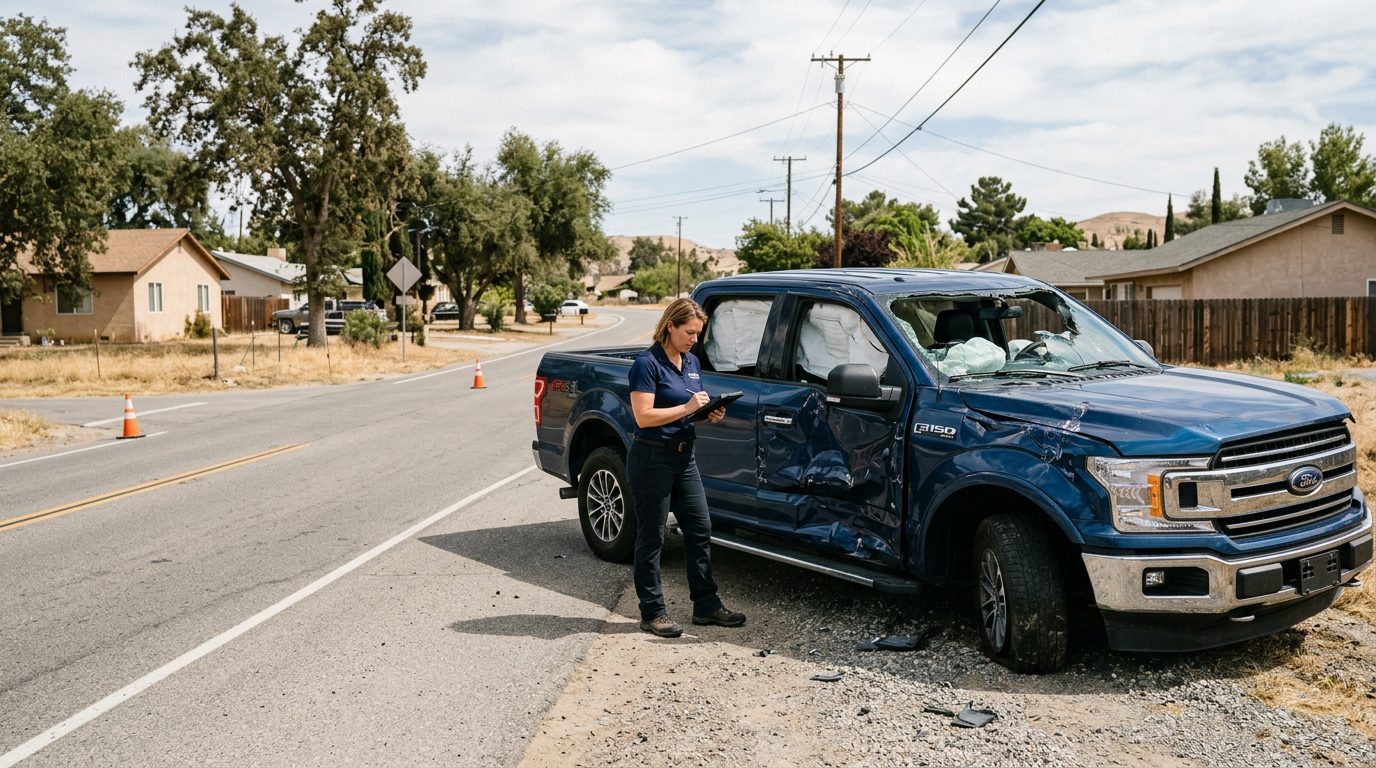
An early settlement offer can arrive before a family knows the full losses in a wrongful death claim. Funeral costs, medical bills, and other losses may not be clear for weeks or months. An offer made before those numbers are known may not reflect them.
Some adjusters offer an early payment. Before you accept one, ask in writing how it would be applied to the claim and whether it would close the claim. Don’t sign a release until you understand what it gives up.
A lien is a claim that someone is owed money from that recovery. If your loved one had Medicare, Medicare may have paid some crash-related bills. According to the CMS secondary payer overview, those conditional payments must be repaid when a settlement, judgment, award, or other payment is made.
Time limits matter, too. Under Code Civ. Proc. § 335.1, California sets a two-year period for an action for injury to, or for the death of, an individual caused by the wrongful act or neglect of another, though other rules can extend or shorten that period, so the deadline in a specific case should be reviewed early. Insurers have duties as well. Under Ins. Code § 790.03, knowingly misleading a claimant about the statute of limitations is an unfair claim practice when it is committed with such frequency as to indicate a general business practice.
Common Mistakes Families Make With Adjusters
Several mistakes can make a claim harder to handle.
- Signing a broad medical authorization. Ask what records it covers, and ask for the request in writing.
- Posting online. Posts about the crash, the other driver, or your grief can be read out of context.
- Taking the first offer as the final number. An offer can end the calls, but it may not cover losses your family is still learning about.
- Losing track of contacts. Keep a written log of who called, what was asked, and what you said. Keep copies of letters and emails.
Each of these is easier to avoid when you slow down. A pause gives you time to gather the facts you need. A short pause, a written request, and a simple log can protect your family’s claim while you grieve.
Not sure what your next step is?
Talk it through with our team — the first consultation is free, confidential, and carries no obligation.
Talk to Colvin Accident Lawyers Before You Decide
Before you give a recorded statement or answer a settlement offer, it helps to weigh your choices. Colvin Accident Lawyers is based in Bakersfield, California. The firm represents accident victims and families in car, truck, motorcycle, bicycle, pedestrian, and bus crash cases, as well as wrongful death matters. It represents families from Kern County and nearby communities such as Fresno, Visalia, Lancaster, Palmdale, Delano, and Tehachapi.
Families often arrive at this decision with many questions at once. A consultation gives you a place to lay them out in order.
Frequently asked questions
Should I tell my own insurer about the crash?
Report the crash to your own insurer, and keep a written record of when and how you did it.
If an adjuster has called about the crash that took your loved one, and you’re weighing a recorded statement or an offer, you don’t have to make that choice alone. The initial consultation is free, confidential, and carries no obligation to continue. You can reach out through our contact page.
Pause Before You Speak or Sign
Before you give a recorded statement, accept a settlement offer, or sign any release or form, consider speaking with a lawyer first. Once a claim is resolved, it is often difficult to reopen.
Questions to Ask Before You Respond
Who is calling, and why?
Adjusters work for the insurance company, not for your family. Their job is to evaluate and limit the company's payout.
What are they asking?
Questions about the crash, your loved one's health, or your family's finances can be used to shape the claim. Ask what the call is for before you answer.
Are you being rushed?
A quick request for a statement or a fast offer is a reason to slow down. You do not have to decide anything on the phone.
Have you signed anything?
Medical authorizations and releases can give the insurer broad access to records. Keep copies of everything and review it with a lawyer first.
How Colvin Accident Lawyers Can Help
Handle the insurance contact
We can communicate with the adjuster on your family's behalf so you are not pressed to respond while grieving.
Review the paperwork
We can look over any statement, release, or offer before you sign, and explain what it would mean for your claim.
Protect your family's interests
Our team focuses on wrongful death and fatal crash cases in Kern County and the surrounding communities we serve.
Make time for your family
Let us handle the calls and the legal details while you focus on your loved one and your family.